Business Insurance Forms And Policies
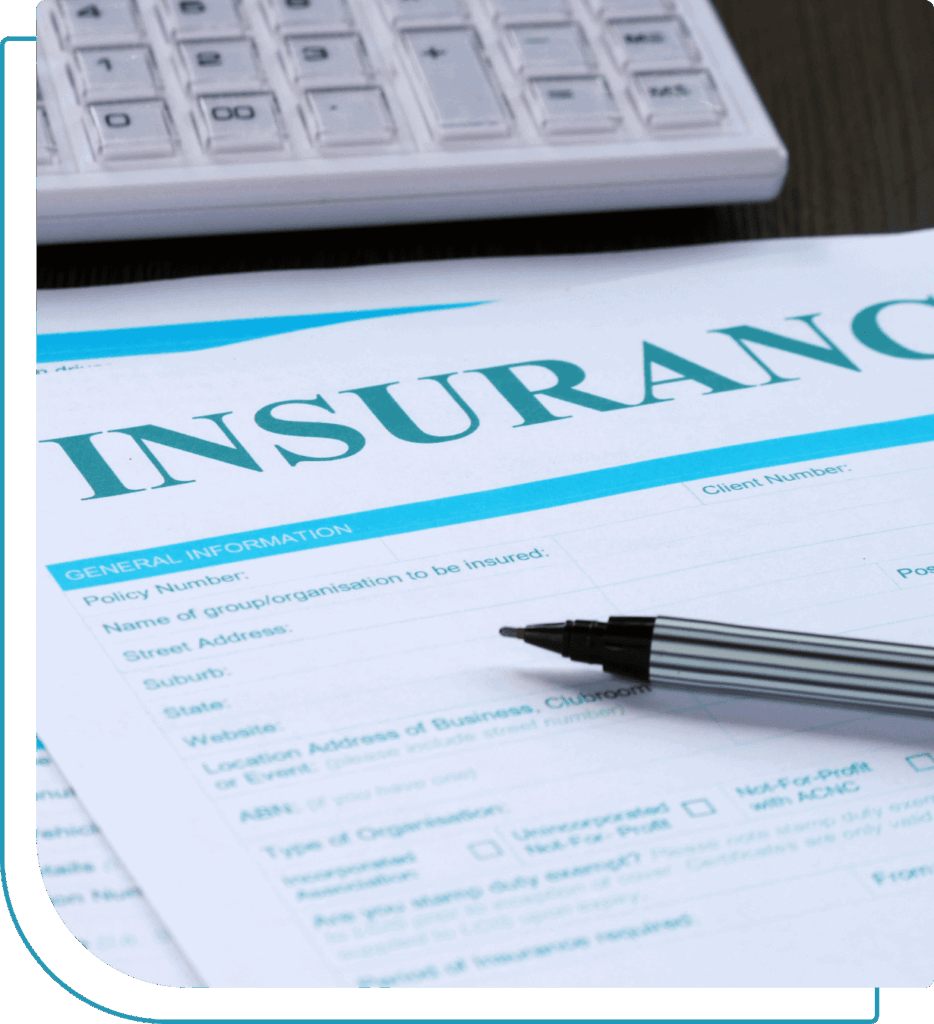
Business insurance forms and policies are essential tools that protect companies from financial losses due to unforeseen events. These documents outline the scope of coverage, terms, conditions, and obligations for both the insurer and the business owner. From general liability to property and workers’ compensation insurance, each policy type serves a specific purpose in mitigating risk.
Understanding the details in these forms ensures businesses remain compliant and adequately protected. Choosing the right coverage requires careful evaluation of operations, potential hazards, and industry regulations. A well-structured policy not only safeguards assets but also supports long-term stability and peace of mind in an unpredictable marketplace.
Understanding Business Insurance Forms And Policies
Business insurance forms and policies are essential tools that define the scope, terms, and conditions of coverage for companies seeking financial protection against various risks.
 Travel Medical Insurance In USA
These legal documents outline what perils are covered, the limits of liability, exclusions, deductibles, and the responsibilities of both the insurer and the insured. Standard business insurance policies typically include general liability, property insurance, workers' compensation, and commercial auto coverage, though specialized forms may be required depending on the industry and risk exposure.
Understanding the specific language and structure of these forms is critical, as they often use standardized formats like those developed by the Insurance Services Office (ISO) or custom manuscript policies tailored to unique business needs. By analyzing policy declarations, definitions, insuring agreements, and endorsements, business owners can ensure they have adequate protection and avoid unexpected coverage gaps.
Types of Standard Business Insurance Policies
There are several core types of business insurance policies designed to protect companies from different types of risks. General Liability Insurance covers third-party claims of bodily injury, property damage, and advertising injury occurring on business premises or as a result of business operations.
Property Insurance safeguards physical assets such as buildings, equipment, inventory, and furniture against damage or loss from fire, theft, or natural disasters. Workers' Compensation Insurance is mandatory in most states and provides medical benefits and wage replacement to employees injured on the job. Commercial Auto Insurance covers vehicles owned or used by a business for accidents, theft, and liability.
 Travelers Insurance Injury Settlement
Other key policies include Professional Liability Insurance (also known as Errors and Omissions insurance), which protects service-based businesses from claims of negligence or inadequate work, and Business Interruption Insurance, which compensates for lost income during operational downtime due to covered perils. Selecting the right combination of these policies ensures comprehensive protection tailored to a company’s operations.
Key Components of Insurance Policy Forms
A standard business insurance policy is structured into several distinct sections, each serving a specific purpose. The Declarations Page summarizes essential information such as the insured’s name, policy period, coverage limits, premiums, and specific endorsements. The Insuring Agreement defines exactly what the insurer agrees to cover, often using precise language that determines the scope of protection.
Exclusions are equally important, detailing specific risks or situations that are not covered—such as floods, war, or intentional acts—preventing misunderstandings during a claim. Conditions outline the obligations of the policyholder, including timely reporting of incidents, cooperation during claims investigations, and maintaining accurate records.
Additionally, endorsements (also called riders) modify the original policy by adding, removing, or altering coverage. Understanding these components is crucial because they collectively determine the rights and limitations under the policy, influencing how claims are processed and whether coverage applies in specific scenarios.
 Top 5 Travel Insurance Providers
Common Insurance Forms Issued by ISO and Custom Manuscript Policies
Insurance policies for businesses often use forms developed by the Insurance Services Office (ISO), a leading provider of standardized insurance data and policy language. These forms—such as the Commercial General Liability (CGL) Form CG 00 01 or the Businessowners Policy (BOP) Form BP 00 03—offer consistency, clarity, and broad market acceptance, making them easier to underwrite and compare across insurers.
ISO forms are regularly updated and widely adopted by insurance companies, providing dependable baseline coverage that can be adjusted with endorsements. In contrast, Custom Manuscript Policies are individually designed for businesses with unique risk profiles that cannot be adequately addressed by standardized forms.
These are often used by large corporations, specialty industries, or organizations with complex operations, allowing for greater flexibility and precision in coverage terms. While manuscript policies offer tailored protection, they require expert legal and insurance review to ensure clarity and avoid unintended gaps. Both ISO and manuscript forms play critical roles in the risk management strategies of modern businesses.
| Policy Type | Coverage Highlights | Common ISO Form |
|---|---|---|
| General Liability | Covers third-party injury, property damage, and personal injury claims | CG 00 01 |
| Businessowners Policy (BOP) | Combines property, liability, and business interruption in one package | BP 00 03 |
| Workers' Compensation | Provides benefits for job-related injuries or illnesses | WC 00 04 |
| Commercial Property | Protects buildings, inventory, and business equipment from physical loss | CP 00 10 |
| Professional Liability | Addresses claims of negligence, errors, or omissions in services provided | LO 44 10 (non-ISO common form) |
Frequently Asked Questions
What types of business insurance policies are most commonly required?
General liability, property insurance, workers’ compensation, and commercial auto insurance are commonly required. General liability covers third-party injuries or property damage. Property insurance protects business-owned buildings and equipment. Workers’ compensation is often legally mandated and covers employee job-related injuries. Commercial auto insurance applies to vehicles used for business purposes. Requirements vary by industry, location, and business size, so consulting an insurance professional ensures compliance and proper coverage.
How do I choose the right business insurance forms for my company?
Evaluate your business risks, industry regulations, and operational needs. Review standard policy forms like COI (Certificate of Insurance) and ISO (Insurance Services Office) forms, which provide consistency. Work with a licensed insurance agent who understands your sector. Compare coverage options, exclusions, and premiums. Ensure forms align with contractual obligations and legal requirements. Regularly update policies as your business evolves to maintain adequate protection and compliance with current standards.
Can I modify standard business insurance policy forms?
Yes, many standard insurance forms can be modified with endorsements or riders to meet specific business needs. Endorsements alter coverage terms, add protections, or exclude certain risks. However, changes must be agreed upon by both the insurer and policyholder. Work with your insurer or agent to ensure modifications don’t create coverage gaps. Customizing policies improperly can lead to denied claims, so professional guidance is essential when adjusting standard forms.
What information is typically required to complete business insurance applications?
Applications usually require business name, legal structure, address, years in operation, number of employees, annual revenue, and industry type. Insurers also request details on claims history, safety protocols, and assets to be covered. For certain policies, financial statements or operational details may be needed. Accurate information ensures proper risk assessment and appropriate coverage. Incomplete or incorrect data may result in delayed approvals or claim denials, so thoroughness is critical.
Leave a Reply