
Can you keep home insurance claim money

Yes, you can keep home insurance claim money if the payout exceeds the cost of repairs or if you choose not to make repairs at all, depending on your policy and claim type.
Most homeowners insurance policies are based on reimbursement for actual losses, but once a claim is settled, the money is typically yours to use as you see fit. However, keeping the funds without completing necessary repairs could affect future claims or policy renewal.
Lenders may also have rules if you have a mortgage. Understanding your policy terms, the nature of the claim, and potential consequences is crucial when deciding what to do with insurance claim money.
 Evaluate The Financial Services Company Empower Retirement On Life Insurance
Can You Keep Home Insurance Claim Money?
Yes, in many cases, you can keep the money from a home insurance claim, but it depends on the type of claim, your policy terms, and how the payout is structured.
If your claim is for a covered loss and your home is properly insured, the insurance company will issue a payout based on the actual cash value (ACV) or replacement cost value (RCV) of the damage. If you choose not to repair or replace the damaged property, you may still keep the money, especially if your policy has already paid out the ACV or you've fulfilled any requirements for RCV reimbursement.
However, it's important to note that keeping the money without making necessary repairs could affect future claims, violate mortgage lender requirements, or result in policy cancellation. Always review your policy details and consult with your insurer before making decisions about claim funds.
Understanding Actual Cash Value vs. Replacement Cost Value
When filing a home insurance claim, the payout you receive depends largely on whether your policy covers Actual Cash Value (ACV) or Replacement Cost Value (RCV).
 Evaluate The Insurance Company Farmers Insurance On Life Insurance
With Actual Cash Value, the insurer pays the depreciated value of the damaged item, taking into account its age and condition. This payout is typically lower but allows you to keep the full amount without having to prove repairs were made.
On the other hand, Replacement Cost Value policies reimburse you for the full cost to replace the item at current market prices, but often in two installments: an initial payment (ACV), followed by a second check (the recoverable depreciation) only after you provide proof of repair or replacement. Therefore, if your policy is based on RCV, you can only keep the full amount after completing repairs and submitting documentation.
Legal and Policy Considerations for Keeping Claim Funds
While it may be legal to keep home insurance claim money in many situations, doing so isn’t always free of consequences. Insurance is designed to restore you to your financial position before the loss—not to provide additional profit.
If you receive a claim payout and choose not to repair significant damage, especially structural issues, you could be violating the terms of your policy. Additionally, if you have a mortgage, your lender may have a financial interest in your property and might require repairs to be completed to protect their investment.
 Evaluate The Insurance Company Metlife On Term Life Insurance
Failing to comply could result in the lender forcing insurance, placing liens, or even calling the loan due. Always read your policy agreement carefully and consider consulting a professional before deciding to retain claim funds without making repairs.
When You Might Need to Repay or Return Claim Money
There are circumstances where you may be required to return or repay part of a home insurance claim payout.
For example, if you receive an advance based on estimated damages but later decide not to complete repairs, insurers may withhold the final portion of a replacement cost claim. If you misrepresented the extent of the damage or filed a fraudulent claim, you could face legal action or be required to repay the funds.
Also, if you receive duplicate payments due to processing errors or third-party settlements (such as from a liable party’s insurance), you may be obligated to return the excess. Keeping accurate records and communications with your insurer helps prevent issues over repayment.
 Evaluate The Life Insurance Company Selectquote On Simple Life Insurance
| Factor | Description | Can You Keep the Money? |
|---|---|---|
| Actual Cash Value (ACV) Payout | Paid based on depreciated value of damaged property. | Yes, typically no proof of repair required. |
| Replacement Cost Value (RCV) – First Check | Initial payment equals ACV; second part requires proof of repair. | Can keep first check, but second portion requires repairs. |
| Mortgage Lender Involvement | Lender may hold funds or require repairs. | May not fully access funds until repairs are verified. |
| Minor vs. Major Damage | Minor claims (e.g., broken window) vs. major (e.g., roof collapse). | More scrutiny on major claims; minor claims offer more flexibility. |
| Fraud or Misrepresentation | Providing false information or inflating claims. | No—can lead to repayment, penalties, or policy cancellation. |
What to Know About Keeping Home Insurance Claim Money
Can you keep the home insurance claim payout and handle repairs independently?
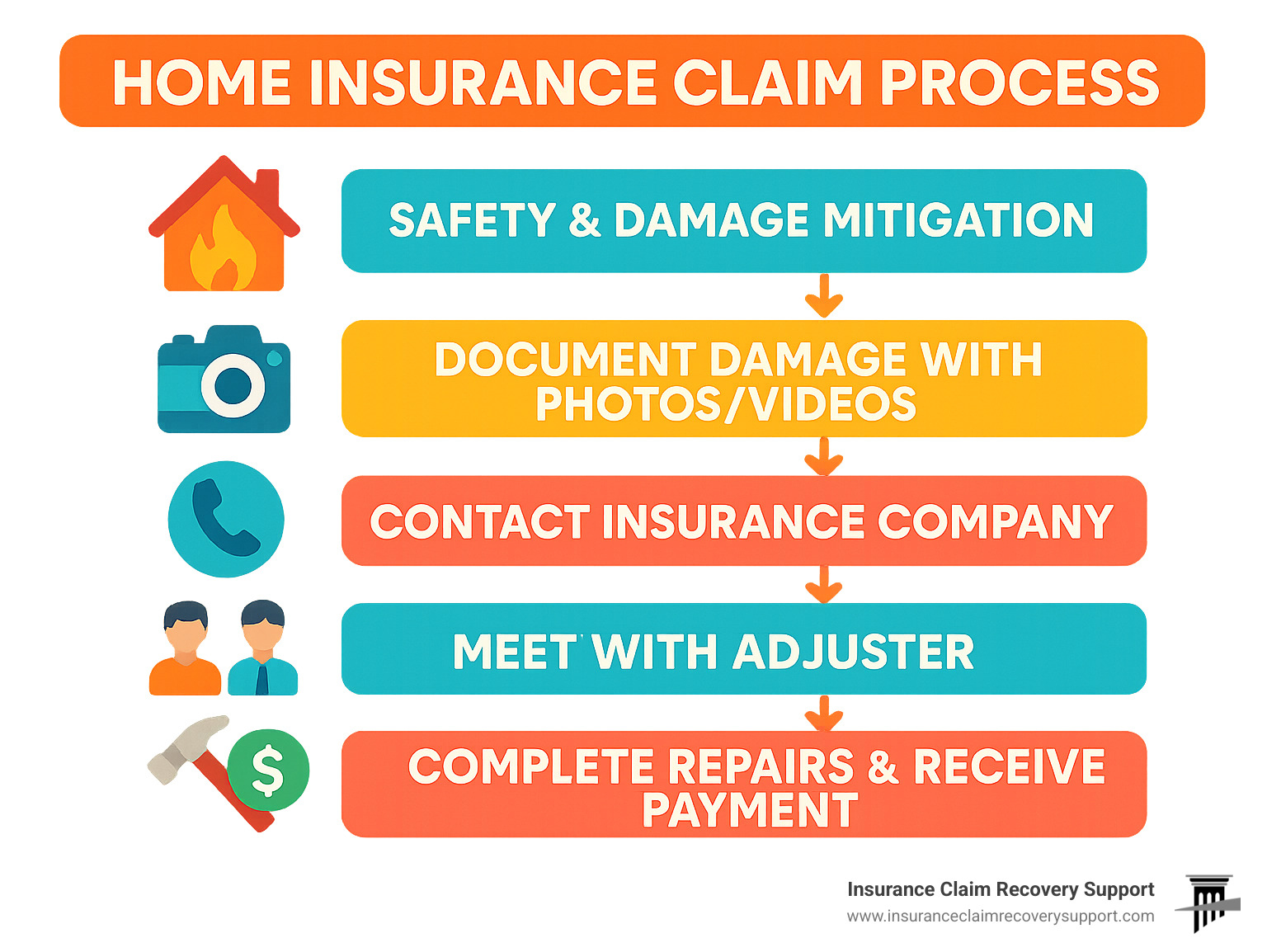
Yes, you can typically keep the home insurance claim payout and handle repairs independently, provided your policy does not require that repairs be completed by a licensed contractor or that funds be paid directly to service providers.
Most homeowners insurance policies give you the freedom to manage the repair process yourself after receiving a settlement. However, the insurance company will generally pay you the actual cash value of the damage initially, minus your deductible.
If you have replacement cost coverage, you may receive a second payment after providing proof of repairs. It's essential to review your specific policy terms and understand any conditions related to claim disbursement.
Understanding Your Insurance Payout Options
- Home insurance claims often result in one of two payout types: actual cash value (ACV) or replacement cost value (RCV). ACV considers depreciation and pays what the damaged item was worth at the time of loss.
- RCV policies cover what it would cost to replace the damaged item with a new one of similar kind and quality. However, you may not receive the full RCV amount upfront—insurers often require you to complete repairs and submit receipts for reimbursement of the difference.
- Understanding which type of policy you have is crucial. If you intend to manage repairs yourself, knowing whether you are entitled to full replacement cost or only actual cash value will influence your budget and repair timeline.
Steps to Handle Repairs on Your Own After a Claim
- After filing a claim and inspecting the damage, the insurer issues an estimate. Review this estimate carefully, as it outlines the scope and cost of work they approve for reimbursement.
- Obtain your own contractor bids or price estimates for materials and labor if you plan to do the work yourself. This helps ensure that the payout covers your actual costs and prevents unexpected out-of-pocket expenses.
- Keep detailed records of all expenses, including photos of damage, receipts for materials, and documentation of completed work. This paperwork may be required for reimbursement of the RCV portion and protects you if the insurer requests proof later.
Important Considerations When Managing Repairs Independently
- Some mortgage lenders require that insurance claim funds be used specifically for repairs and may place the payout in an escrow account, releasing funds in stages as work progresses. If you have a mortgage, contact your lender to understand their requirements.
- Completing substandard repairs or failing to repair critical damage may impact future insurance coverage or claims. Insurers may deny subsequent claims if they find prior damage was improperly addressed.
- While doing the work yourself can save money, complex repairs—especially structural, electrical, or plumbing—should meet local building codes. Permits and inspections may be necessary, and failing to comply could void your insurance coverage or create safety hazards.
What happens to leftover home insurance claim funds if not fully used?

Retention of Unused Claim Funds by Policyholders
- If a home insurance claim results in leftover funds after repairs are completed, the policyholder typically has the right to keep the remaining amount, provided the original estimate was accurate and the expenses were honestly reported. Insurance companies issue payments based on the actual cost of damage and the terms of the policy, so any difference between the payout and the repair costs often becomes the homeowner's property.
- However, this only applies if the claim was filed correctly and the policyholder didn't inflate the damage or misrepresent costs. As long as receipts and documentation support that repairs were completed within a legitimate scope and deducted depreciation (if applicable) has been properly handled, the unused portion does not need to be returned.
- It is important for homeowners to understand that keeping leftover money is acceptable when repair estimates were genuine and not manipulated. If discrepancies are found later, such as claiming damage that wasn't repaired or submitting false invoices, the insurer may investigate and potentially require repayment or even cancel coverage.
Staged Payments and Recoverable Depreciation
- Many home insurance policies, especially for major damages, use a system of staged payments. The first check covers the actual cash value (ACV) of the damaged property, which factors in depreciation. A second check may be issued later for the recoverable depreciation once repairs are complete and documented.
- If repairs cost less than expected, the policyholder may receive a smaller recovery amount or none at all for the depreciation portion, depending on the policy terms. In such cases, the full initial payment might cover the entire repair bill, leaving surplus funds in hand.
- Any leftover money from recoverable depreciation is generally retained by the homeowner once proof of completion, such as contractor invoices or inspection reports, is submitted. The insurer does not require return of unused funds so long as the documentation matches the scope of work performed.
Insurance Company Oversight and Potential Reclaims
- Although leftover funds are usually kept by the insured, insurers may audit claims after payout, especially for large amounts. If an investigation reveals that repairs were not completed as claimed or that funds were used for unrelated purposes, the company can demand reimbursement of the excess amount.
- For example, if a homeowner submits an estimate for roof replacement but only fixes a few shingles, the insurer may question the legitimacy of the expenses. In such cases, the unspent funds may be considered fraudulent gains, leading to penalties or policy cancellation.
- To avoid complications, policyholders should maintain detailed records of all repairs, including invoices, before-and-after photos, and bank statements showing payments to contractors. These documents help demonstrate that the claim was handled properly and any remaining funds are legitimately retained.
Can you legally use home insurance claim funds for purposes other than repairs?

Yes, you can legally use home insurance claim funds for purposes other than repairs, but with important conditions based on the type of claim and policy terms. If your home is fully paid off and you own it outright, and the damage was not covered by a mortgage lender's requirements, you generally have the freedom to decide how to use the settlement money.
However, if you have a mortgage, the lender often has a vested interest in ensuring the property maintains its value, so they may require repairs to be completed. Once all repair requirements are satisfied and any liens are released, remaining funds are typically yours to use as you see fit.
Understanding Policyholder Rights and Claim Settlement Types
- Insurance claims are typically issued based on the coverage type — either Actual Cash Value (ACV) or Replacement Cost Value (RCV). With ACV, you receive the depreciated value of the damaged item, while RCV provides the full cost to replace it, often with a final reimbursement after proof of repairs.
- If you have an RCV policy, the insurer may initially pay the ACV, then issue the remaining amount after you submit receipts showing the repair work was completed. This means you cannot access the full settlement without fulfilling repair obligations.
- However, if you settle on an ACV basis and there are no lender-imposed restrictions, you are legally allowed to use the funds for other needs, such as temporary housing, debt reduction, or personal expenses, even if repairs aren’t made.
Mortgage Lender Requirements and Escrow Procedures
- When a home has a mortgage, the insurance check may be made payable to both the homeowner and the lender. In such cases, the lender often places the funds in an escrow account and disburses them in stages as repair work progresses.
- Lenders require repairs to protect their financial interest in the property. Skipping repairs could be considered a breach of the mortgage agreement, potentially leading to penalties or demands for immediate repayment.
- Once the required repairs are completed and verified, any leftover money from the escrow account may be released to you, and you can then use it freely for non-repair purposes, as the lender’s conditions have been met.
Legal and Financial Implications of Redirecting Claim Funds
- Using insurance money for non-repair purposes without fulfilling policy or lender obligations can result in legal or financial consequences, including denial of future claims or policy cancellation.
- If you misrepresent that repairs were completed when they weren’t, especially to obtain the recovery portion of an RCV claim, you may be committing insurance fraud, which is a criminal offense.
- On the other hand, if all contractual requirements are satisfied, and the funds are fully released to you, using them for personal use — such as renovating another part of the house, funding education, or investing — is within your legal rights and not considered misconduct.
Can you retain the payout from a home insurance claim?

Yes, you can retain the payout from a home insurance claim, but how you use the funds depends on your policy type, the nature of the damage, and whether there are any outstanding liens on the property, such as a mortgage.
Insurance companies typically issue payouts to cover repair or replacement costs up to your policy limits. If you own your home outright and the claim is for a total loss or repair that you choose not to complete, you may keep the money.
However, if your home is mortgaged, the lender often has a legal interest in the funds and may require proof of repairs or even co-sign the check. It’s also important to note that keeping the money without making necessary repairs could lead to issues with future claims or violate the terms of your policy.
How Insurance Payouts Are Typically Distributed
- After a claim is approved, the insurance company calculates the payout based on actual cash value (ACV) or replacement cost value (RCV), depending on the policy. ACV considers depreciation, while RCV covers the cost to replace the item or structure at current prices.
- The initial check may be sent directly to you, but if you have a mortgage, the lender is often named as a payee as well. In such cases, the check might require both your signature and the lender’s to be cashed.
- For extensive damage, insurers may issue payments in installments: one at the start of repairs and another upon completion. This ensures that funds are used for their intended purpose and reduces the risk of misuse.
Conditions That Allow You to Keep the Claim Payout
- If you are the sole owner of the property with no mortgage or lien, you generally have the legal right to keep the payout even if repairs are not made. However, this could affect future insurability or premiums.
- Small claims with minimal damage may result in a full payout that you can use as you see fit, especially if the repairs are optional or cosmetic. The insurer may not require documentation of completed work.
- In cases of total loss where the home cannot be rebuilt or you decide to relocate, the payout is often final and entirely under your control after all lender claims are settled.
Risks of Not Using Payout for Repairs
- Choosing not to repair structural or safety-related damage may void future coverage. Insurers can deny subsequent claims if they determine previous damage contributed to a new loss.
- Lenders can place an “escrow hold” on funds or require inspections before releasing the full amount, especially if the home’s value or safety is compromised by unrepaired damage.
- Failure to maintain your home as required by the policy may be considered a breach of contract, leading to penalties or non-renewal of your insurance policy.
Frequently Asked Questions
Can you keep leftover home insurance claim money after repairs?
Yes, you can keep any leftover money from a home insurance claim as long as you did not inflate repair costs or file a fraudulent claim. Insurers expect you to use the funds for repairs, but if you complete the work for less than the payout, the remaining amount is yours. Just ensure your initial claim was honest and itemized.
Do you have to use insurance claim money for repairs?
While you're not legally required to use home insurance claim money solely for repairs, the policy requires the funds to be used for their intended purpose. If you received a check specifically for home repairs, misusing it could be considered fraud. Always follow your insurer’s guidelines and documentation requirements to remain compliant.
What happens if you don’t use all the insurance claim money?
If you don’t use all the insurance claim money and completed the repairs honestly and at a lower cost, you can keep the remaining amount. However, your insurer may issue the final payment only after verifying repairs are done. Keeping extra funds is acceptable as long as you didn’t misrepresent expenses or skip necessary repairs.
Can insurance companies ask for money back after a claim payout?
Yes, insurance companies can ask for money back if they discover fraud, overpayment, or if repairs weren't completed as claimed. For example, if you said you’d fix the roof but didn’t, or submitted fake invoices, they may demand reimbursement. Always be truthful in claims to avoid repayment demands or policy cancellation.
Leave a Reply