
Do Off Grid Homes Require Special Insurance

Off-grid homes, designed to operate independently of public utilities, present unique challenges when it comes to insurance coverage. Unlike traditional properties, these dwellings often rely on alternative energy sources like solar panels or wind turbines and may use non-standard construction materials and methods. These distinct features can affect risk assessments and coverage needs.
Standard homeowner’s insurance policies may not fully address the specific risks associated with off-grid living, such as equipment failure or remote location vulnerabilities. As a result, specialized insurance options are often necessary. Understanding these requirements is essential for ensuring adequate protection and long-term peace of mind for off-grid homeowners.
Do Off Grid Homes Require Special Insurance?
Living off the grid presents a unique lifestyle that often involves self-sufficient systems for power, water, and waste management, which can significantly differ from traditional homes connected to public utilities. Because of these differences, standard homeowners insurance may not provide adequate coverage for off-grid properties.
 Do I Need Special Insurance To Drive In Canada
Many insurers view off-grid homes as higher risk due to factors like remote locations, alternative energy systems (such as solar or wind), and lack of access to municipal services, which can complicate emergency response or repairs. As a result, homeowners in these situations typically need specialized insurance policies tailored to the specific risks and features associated with off-grid living.
Why Standard Home Insurance May Not Suffice
Standard homeowners insurance is designed with conventional homes in mind—those connected to city water, electricity, and sewage systems. In the case of off-grid homes, features such as well water systems, septic tanks, solar panel arrays, and wood-burning stoves may fall outside the typical scope of coverage.
For example, damage to a solar inverter or contamination of a private water source might not be covered under a standard policy, leaving the homeowner financially exposed. Additionally, insurers may have concerns about the ability to quickly access remote properties in emergencies, increasing perceived risk. Therefore, many standard insurers either decline coverage or require extensive modifications to the policy to accommodate off-grid systems.
Key Coverage Needs for Off Grid Homes
Off-grid homeowners should look for policies that address the unique components and risks of their setup. Essential coverage areas include protection for alternative energy installations, water supply systems, and off-site storage or outbuildings commonly used for tools, generators, or livestock.
 Do I Need Special Insurance To Rent My House
Some policies also offer enhanced coverage for loss of utilities, such as extended power outages due to equipment failure in an off-grid setup. Additional considerations may include liability coverage if the property includes unique hazards like hydroelectric turbines or large battery banks. Working with insurers experienced in rural or sustainable living can ensure these features are properly evaluated and insured.
How to Find the Right Off Grid Home Insurance
Locating suitable insurance for an off-grid home often requires research and working with niche providers or regional insurers familiar with rural and sustainable living practices. Begin by compiling detailed documentation of your home’s systems, including energy sources, water access, construction materials, and safety measures such as fire suppression equipment.
This information helps insurers accurately assess risk and quote appropriate coverage. Some national carriers offer endorsements or riders for renewable energy systems, while others may partner with specialty insurers. Independent insurance agents with expertise in non-traditional dwellings can be invaluable in finding comprehensive, cost-effective policies tailored to off-grid lifestyles.
| Insurance Consideration | Traditional Home | Off Grid Home |
|---|---|---|
| Power Source | Connected to public grid | Solar, wind, or generator-dependent |
| Water System | Municipal supply | Private well or rainwater collection |
| Waste Management | Sewer system | Septic tank or composting toilet |
| Property Location | Urban or suburban area | Remote or rural area |
| Insurance Focus | Standard structural and liability | Specialized systems and self-reliance risks |
Do Off-Grid Homes Require Special Insurance? A Comprehensive Guide
Why are log homes often excluded from standard off-grid home insurance policies?

 Do I Need Special Travel Insurance For A Cruise
Increased Fire Risk Associated with Log Construction
- Log homes are typically constructed from solid wood, often pine, cedar, or other flammable timber, which is inherently more susceptible to catching fire than materials like brick, steel, or concrete used in conventional homes.
- The natural oils and resins present in untreated or aged wood can act as accelerants, increasing the speed at which flames spread if a fire does occur.
- Off-grid properties often rely on wood-burning stoves, fireplaces, or propane systems for heating and cooking, elevating the risk of accidental ignition near combustible log walls and structural components.
Higher Maintenance Requirements and Deterioration Concerns
- Log homes require regular maintenance to prevent issues such as checking (cracking), rot, insect infestations (especially from termites or carpenter ants), and moisture absorption, all of which can compromise structural integrity over time.
- Many standard off-grid insurance policies consider the difficulty in accessing professional log home maintenance services, especially in remote areas, as a significant risk factor.
- Without consistent sealing, staining, or chinking repairs, logs can shrink or shift, leading to energy inefficiency, water intrusion, and mold growth—conditions insurers view as increasing the likelihood of costly claims.
Limited Repair Expertise and Higher Reconstruction Costs
- Repairing or replacing damaged logs often requires specialized contractors with specific skills and equipment, which may not be readily available near off-grid locations, delaying recovery and increasing claim expenses.
- The cost of sourcing matching, high-quality timber and custom-fitted logs can be significantly higher than using standard building materials, making reconstruction more expensive than for traditional homes.
- Insurance providers factor in the increased time and resource investment needed to restore a log home to its original condition, especially in isolated regions, making them less inclined to include such properties under standard off-grid policies.
Do I need to inform my insurer about solar panels if I live off-grid?
Does Off-Grid Living Exempt You from Insurance Disclosure?
- Even if you live off-grid and are not connected to the public power supply, your home remains an insured property under your homeowner’s or property insurance policy. Insurers require disclosure of any permanent installations or modifications that could affect the structure, safety, or value of the dwelling. Solar panels, regardless of grid connection status, are considered permanent fixtures once installed on your roof or property.
- Failure to report modifications like solar panel systems might result in claim denials if damage occurs and the insurer discovers the omission during the assessment process. Off-grid status does not remove your obligation to keep the insurer informed about significant changes to the property.
- Some insurers may also need to evaluate potential risks associated with battery storage systems, inverters, or charge controllers commonly used in off-grid solar setups. These components involve electrical systems that could pose fire or safety hazards, which insurers assess when determining coverage terms.
How Solar Panels Impact Your Insurance Coverage
- Solar panels increase the overall replacement cost of your home because they are an added investment and part of the permanent structure. This means your current dwelling coverage limit might be insufficient to cover the full value if a loss occurs. Informing your insurer allows them to adjust your coverage limits accordingly.
- Some insurance providers offer specific endorsements or coverage extensions for solar energy systems, including protection from damage, theft, or performance issues. These benefits are typically only available if the system is declared and documented with the insurer.
- The installation method and equipment quality can influence your premium. For example, panels certified to withstand high winds or installed with fire-resistant materials may reduce risk in the eyes of the insurer, potentially lowering your rate or qualifying you for green energy discounts.
What Information Should You Provide to Your Insurer?
- You should provide detailed specifications of your solar system, including the total kilowatt capacity, number of panels, manufacturer, and date of installation. Documentation such as receipts, installation certificates, and system schematics can support your disclosure and help ensure accurate coverage.
- If your off-grid system includes battery storage—such as lithium-ion or lead-acid batteries—this is particularly important to disclose. Energy storage systems carry unique risks, including thermal runaway or ventilation issues, which insurers need to account for in underwriting.
- Inform your insurer whether the system was installed by a licensed professional or as a DIY project. Professionally installed systems often come with warranties and compliance certifications that reduce perceived risk, while self-installed systems might prompt additional scrutiny or even require an inspection.
What home insurance policies cover outbuildings for off-grid properties?
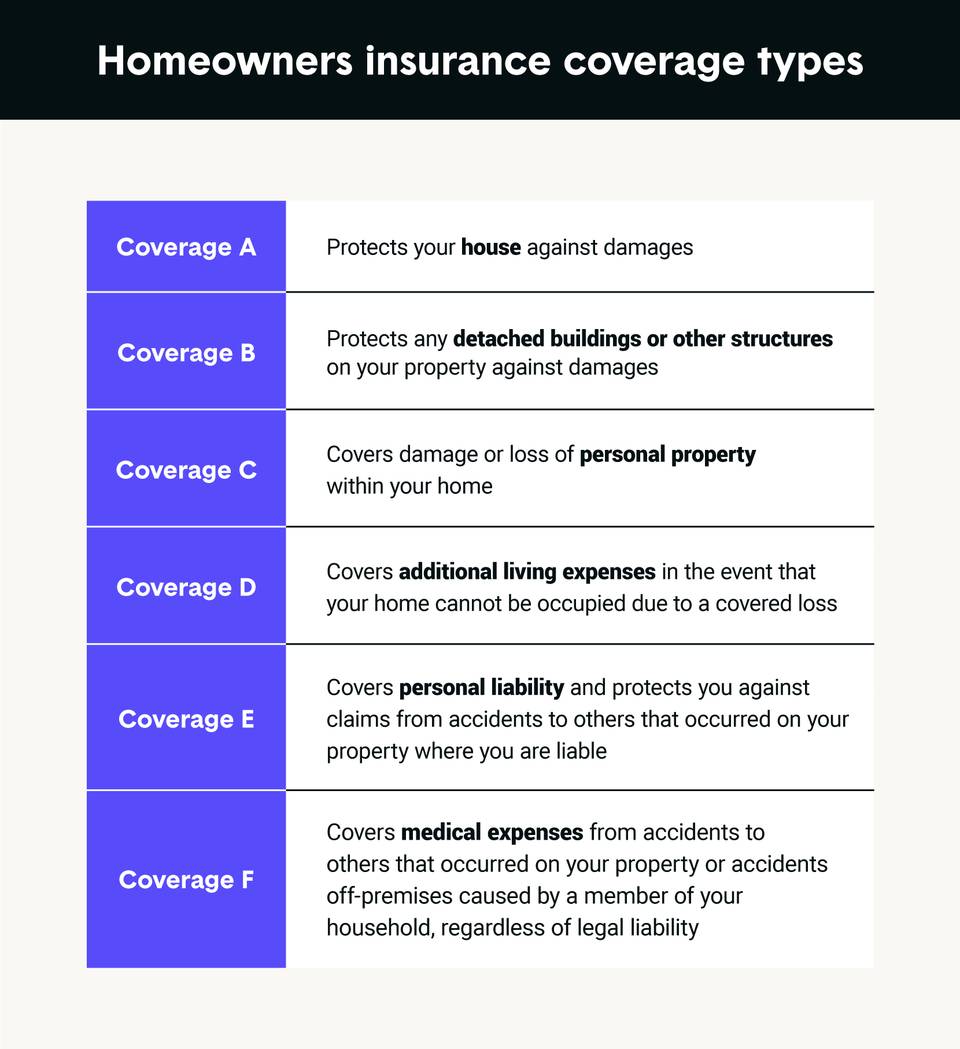
Types of Home Insurance Policies That Cover Outbuildings on Off-Grid Properties
- Standard homeowners insurance policies, such as HO-3 policies, typically include coverage for detached structures like sheds, garages, or workshops, usually up to a certain percentage (often 10% to 20%) of the dwelling coverage limit. This applies even to off-grid homes, provided the insurer is willing to underwrite the risk.
- Specialized off-grid home insurance policies are offered by select insurers who understand the unique characteristics of properties not connected to public utilities. These policies are tailored to include outbuildings and may offer broader coverage for structures used in renewable energy systems, like solar panel sheds or wind turbine enclosures.
- Modified dwelling fire policies or custom-built rural property policies may be used when traditional insurers decline coverage. These policies often cover detached structures on a named-peril basis and are particularly useful for remote or off-grid locations where standard coverage is limited.
Factors Influencing Coverage for Outbuildings in Off-Grid Settings
- Construction materials play a significant role in determining coverage eligibility. Insurers are more likely to cover outbuildings made from fire-resistant materials like metal, concrete, or brick, especially in remote areas where fire response times are longer.
- The intended use of the outbuilding affects coverage. Structures used for storage or as workshops are generally covered, but if an outbuilding is rented out or used for commercial purposes (like a home-based business), additional endorsements or separate liability coverage may be needed.
- Proximity to emergency services and the property’s accessibility influence insurer willingness to include outbuildings. Off-grid properties located far from fire hydrants or fire stations may face higher premiums or coverage limitations unless safety measures like on-site water tanks or fire suppression systems are in place.
How to Ensure Adequate Outbuilding Coverage on an Off-Grid Property
- Conduct a thorough inventory of all outbuildings, noting their size, construction, use, and value. Share this information with your insurer to ensure each structure is properly accounted for in your policy declaration.
- Request a policy endorsement or schedule of other structures if the default coverage limit is insufficient. This allows specific valuation of each outbuilding, protecting against underinsurance in case of damage or loss.
- Work with insurers experienced in off-grid or rural property risks, such as companies like Foremost, Amica, or USAA (for eligible members), which offer customizable policies that can include comprehensive outbuilding protection with additional options for alternative energy equipment and remote living challenges.
Frequently Asked Questions
Do off-grid homes need different insurance than traditional homes?
Yes, off-grid homes often require specialized insurance due to their unique features like solar power, water collection, and lack of utility connections.
Standard policies may not cover these systems or potential risks like generator failure or water storage issues. It's essential to get a policy tailored to off-grid living to ensure all components and lifestyle needs are adequately protected against unforeseen damages.
Are renewable energy systems covered in off-grid home insurance?
Most specialized off-grid home insurance policies include coverage for renewable energy systems such as solar panels, wind turbines, and battery storage.
 Do I Need Special Travel Insurance If Pregnant
However, coverage limits and conditions vary by provider. It’s important to verify that your system’s full replacement cost is covered and that maintenance-related damages aren’t excluded. Upfront disclosure ensures your off-grid energy investments are properly protected against weather, fire, or equipment failure.
Can off-grid homes get insurance if they’re in remote locations?
Yes, off-grid homes in remote areas can get insurance, but options may be limited and premiums higher due to increased risks like slower emergency response times. Insurers evaluate accessibility, fire protection, and construction materials.
Working with insurers experienced in off-grid or rural properties helps secure appropriate coverage. Providing detailed property information improves chances of approval and ensures adequate protection despite the remote setting.
What risks are typically higher for off-grid homes?
Off-grid homes face elevated risks such as fire (due to wood stoves or electrical systems), water supply failure, and limited access during emergencies. These factors increase vulnerability to property damage and liability.
Insurance policies must address these unique exposures. Specialized coverage often includes backup system failures, well contamination, and extended living expenses if repairs require relocation, providing comprehensive protection aligned with off-grid lifestyle challenges.
Leave a Reply