
Health Insurance For International Students In Uk

Studying in the UK as an international student is an exciting opportunity, but it also comes with important responsibilities, including securing adequate health insurance.
All international students are required to pay the Immigration Health Surcharge (IHS) as part of their visa application, granting them access to the National Health Service (NHS) during their stay. This provides eligible students with medical treatments, doctor visits, and emergency care at little to no cost.
Understanding how the NHS works, what services are covered, and any additional private insurance options is crucial for maintaining well-being while studying abroad. Health insurance ensures peace of mind, allowing students to focus on their academic goals without the stress of unexpected medical expenses.
 Downsides Of Bundling Home And Auto Insurance
Understanding Health Insurance for International Students in the UK
Navigating the UK healthcare system as an international student can be challenging, but understanding your health insurance options is essential for accessing timely and affordable medical care. Most international students are required to pay the Immigration Health Surcharge (IHS) as part of their visa application, which grants them access to the National Health Service (NHS).
This means eligible students can receive medical treatments, including doctor visits, emergency care, and certain specialist services, at little or no cost. However, it’s important to note that not all healthcare needs are covered—services such as dental care, optical treatments, and prescription medications may involve additional fees.
Students should also consider supplementary private health insurance if they require faster access to specialists or enhanced coverage beyond the NHS. Ensuring you have the right health coverage not only safeguards your well-being but also helps avoid unexpected medical expenses during your studies in the UK.
What Is the Immigration Health Surcharge (IHS) and How Does It Work?
The Immigration Health Surcharge (IHS) is a mandatory fee paid by international students applying for a UK visa that allows them to access the National Health Service (NHS) on the same basis as UK residents.
 E Insurance Auto Quote
As of current guidelines, students typically pay £776 per year of their course or visa duration, with the full amount collected upfront during the visa application process. This surcharge ensures that international students are covered for a wide range of health services, including consultations with general practitioners (GPs), emergency treatments, hospital care, and mental health services.
It's important to pay the IHS on time and receive confirmation, as failure to do so can result in visa refusal or denied access to NHS care. Once paid, students receive an IHS number, which they must present when registering with a GP or seeking medical attention during their stay.
Differences Between NHS Coverage and Private Health Insurance
While the NHS provides substantial healthcare services to international students who have paid the IHS, there are clear distinctions between NHS care and private health insurance.
The NHS offers free or low-cost access to essential medical services, but it may involve longer waiting times for non-emergency treatments, limited choice of doctors, and gaps in coverage for dental, vision, and certain prescription drugs. In contrast, private health insurance provides faster access to specialists, shorter waiting times, broader choice of hospitals and physicians, and often includes additional benefits like mental health therapy and preventative screenings.
 Evaluate The Auto Insurance Company Allstate On Claims Process
Some international students opt for private insurance to complement NHS coverage, especially if they anticipate specific medical needs, prefer more personalized care, or are concerned about delays in treatment. When deciding between the two, students should weigh their health needs, budget, and the extent of NHS services available in their area.
How to Register with the NHS and Access Medical Services
After arriving in the UK and paying the Immigration Health Surcharge (IHS), international students must register with a local National Health Service (NHS) GP practice to access medical care.
Registration typically requires proof of identity (such as a passport), proof of address (like a tenancy agreement or university accommodation letter), and your IHS reference number. Many universities assist students by hosting NHS registration clinics at the start of the academic year.
Once registered, students can book appointments with a GP, receive referrals to specialists, access emergency services, and obtain prescriptions—although prescription costs vary by UK region (free in Scotland and Northern Ireland, but charged in England and Wales). It is also important to carry your NHS number (issued after registration) and student identification when visiting healthcare providers to ensure proper record-keeping and care continuity.
 Prices For Auto Insurance
| Feature | NHS (via IHS) | Private Health Insurance |
|---|---|---|
| Cost for Students | Includes IHS fee (£776/year) | Additional cost (varies by provider) |
| GP and Hospital Care | Free | Free or reduced cost |
| Prescription Charges | Applicable in England (£9.65/item) | Often covered or reduced |
| Dental and Optical | Partial coverage, extra fees apply | Often fully covered |
| Waiting Times | Can be longer for non-urgent care | Shorter access to specialists |
| Choice of Doctors | Limited to local practices | Greater flexibility |
Comprehensive Guide to Health Insurance for International Students in the UK
Do international students in the UK need a National Insurance number for health insurance coverage?
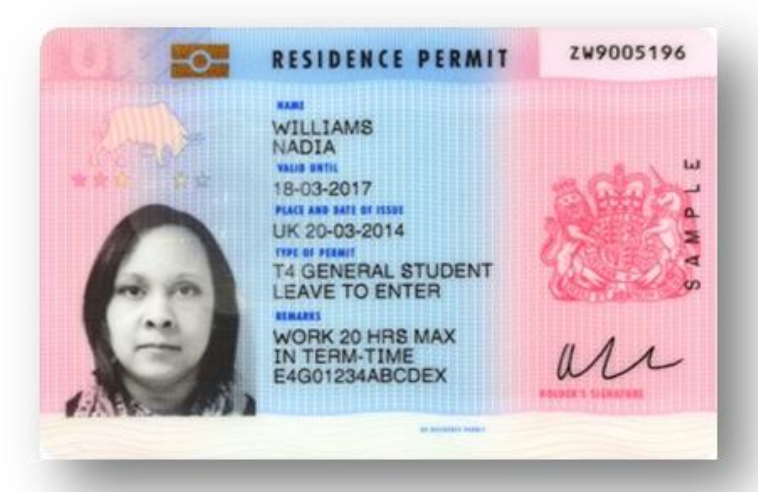
Understanding the Role of a National Insurance Number in the UK
- A National Insurance (NI) number is a unique identifier used by the UK government to track individuals' contributions to the National Insurance system, which funds state benefits and the National Health Service (NHS). It is primarily required for employment, tax, and accessing certain government services.
- For international students, obtaining a National Insurance number is not automatically necessary upon arrival. It is typically needed only if the student plans to work legally during their stay in the UK, as employers require this number to deduct the correct amount of tax and national insurance from wages.
- While the NI number plays a critical role in the UK’s social security system, it is not directly tied to healthcare access for international students. Instead, healthcare eligibility is determined by immigration status and payment of the Immigration Health Surcharge (IHS).
Health Insurance Coverage for International Students in the UK
- International students studying in the UK for more than six months are generally required to pay the Immigration Health Surcharge (IHS) as part of their visa application. This payment grants them access to the NHS on the same basis as UK residents.
- The IHS, not the National Insurance number, is the key factor in determining healthcare eligibility. Once the surcharge is paid, students can register with a local GP (General Practitioner), access hospitals, and receive most medical treatments free of charge.
- Health services such as emergency care, general practitioner visits, maternity care, and mental health services are covered under the NHS for eligible international students. Pre-existing conditions are also covered, ensuring comprehensive medical support during their studies.
When International Students Need a National Insurance Number
- International students require a National Insurance number if they intend to take up employment, including part-time, temporary, or full-time work, during their course of study. Work placements that are a mandatory part of the curriculum may also necessitate obtaining an NI number.
- To apply for an NI number, students must contact Jobcentre Plus and attend an interview, usually conducted over the phone, where they provide documentation such as their passport, biometric residence permit (BRP), and proof of a job offer or active job search.
- While having an NI number does not affect healthcare access directly, it is essential for legal employment and ensuring correct tax and National Insurance contributions. Students should note that working without an NI number, even if employed, is not permitted under UK law.
What is the average cost of health insurance for international students in the UK?
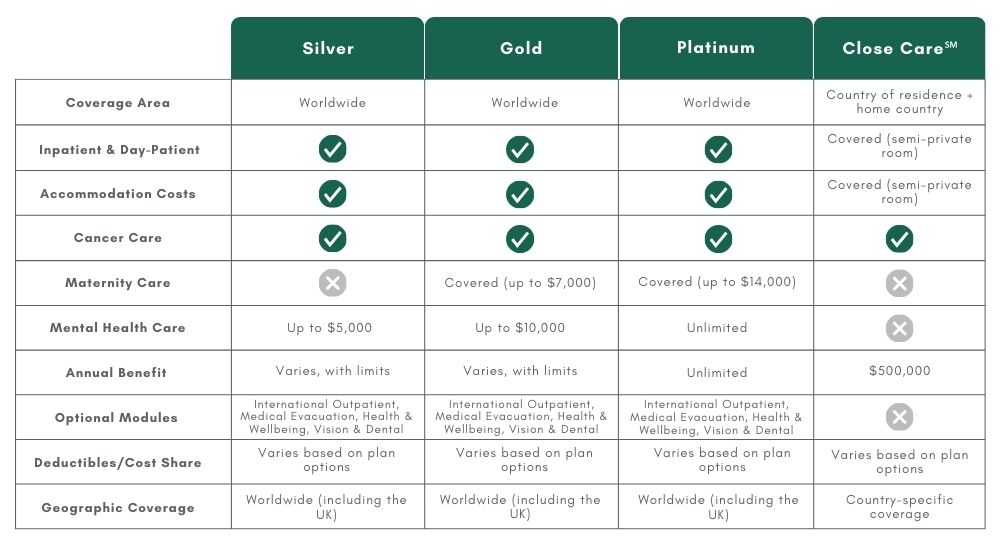
Factors Influencing Health Insurance Costs for International Students
- The cost of health insurance for international students in the UK is influenced by several factors, including the student's country of origin, age, and the duration of their course. Students from countries with higher healthcare utilization rates may face slightly elevated premiums.
- The university or institution attended can also play a role, as some universities bundle health coverage into tuition fees or recommend specific insurance providers, which may affect pricing and accessibility.
- Additionally, pre-existing medical conditions, planned medical procedures, and the level of coverage chosen (basic vs. comprehensive) significantly impact the final cost, with more extensive coverage naturally leading to higher premiums.
Tuition Fee Inclusion of the Immigration Health Surcharge (IHS)
- International students studying in the UK for more than six months are required to pay the Immigration Health Surcharge (IHS) as part of their visa application, which currently stands at £470 per year for students (as of 2023–2024).
- This surcharge grants students access to the National Health Service (NHS) on the same basis as UK residents, covering services such as general practitioner visits, hospital treatments, and emergency care, thereby reducing the need for private health insurance in many cases.
- While the IHS is not traditional health insurance, it serves a similar purpose by providing essential medical coverage and is often considered part of the overall healthcare cost for international students.
Supplementary Private Health Insurance Options
- Although the IHS provides broad access to NHS services, some international students opt for additional private health insurance to cover faster access to specialists, mental health services, dental care, or medical evacuation, which are either limited or not covered by the NHS.
- These supplementary plans can range from £100 to £300 annually, depending on the provider, level of coverage, and specific benefits included, making the total healthcare expenditure vary significantly among students.
- Many insurance providers such as AXA, Simplyhealth, and Guard.Me specialize in student plans tailored for international audiences, offering flexible policies that align with visa requirements and academic schedules.
Do international students in the UK need to pay for NHS healthcare coverage?

Immigration Health Surcharge (IHS) for International Students
- International students coming to the UK for more than six months are required to pay the Immigration Health Surcharge (IHS) as part of their visa application. This fee grants them access to the National Health Service (NHS) on the same basis as UK residents during their stay.
- The current IHS rate for students is £776 per year, charged for the duration of the visa. This payment is made upfront when applying for the visa and must be settled before the application is processed.
- Once the IHS is paid, students receive an IHS number, which they can use to register with a local GP (General Practitioner) and access medical services such as consultations, treatments, and emergency care without additional fees.
What Healthcare Services Are Covered Under the NHS?
- The NHS covers a wide range of healthcare services, including consultations with doctors, hospital treatments, emergency care, mental health support, and some specialist services. International students with valid IHS payment can use these services without paying out-of-pocket fees at the point of use.
- It is important to note that while most medical treatments are free, certain services such as dental care, prescriptions, eye tests, and optical aids are not fully covered. In England, students typically need to pay standard charges for these, although exemptions may apply in some cases.
- Students studying in Scotland, Wales, or Northern Ireland may benefit from additional exemptions, such as free prescriptions in Scotland and Wales. Regulations can vary slightly across the UK nations, so students should check local guidelines.
Exemptions and Special Circumstances
- Not all international students are required to pay the IHS. For example, students from countries with reciprocal healthcare agreements with the UK may be exempt, although such agreements are limited. Nationals from the European Economic Area (EEA) or Switzerland may have had different arrangements under the previous EU system, but most now fall under the IHS rules unless they hold settled or pre-settled status.
- Students on short-term courses lasting six months or less are generally exempt from the IHS, but they will not have full access to NHS services and are advised to purchase comprehensive health insurance for the duration of their stay.
- Students who are refugees, asylum seekers, or sponsored under specific humanitarian programs may be exempt from the IHS and still granted access to NHS care. These cases are assessed individually by UK Visas and Immigration.
What is the IHS cost for 2.5 years for international students in the UK?
Understanding the IHS and Its Purpose for International Students
- The Immigration Health Surcharge (IHS) is a mandatory fee that allows international students from outside the UK to access the National Health Service (NHS) during their stay. This includes treatments such as visits to general practitioners (GPs), hospital care, and certain specialist services, though it does not cover everything such as prescriptions, dental care, or optical services unless medically necessary.
- By paying the IHS, students gain access to healthcare on the same basis as UK residents. This means they can register with a local GP and receive medical treatment without having to pay for each service at the point of use, which can save substantial costs in case of illness or injury.
- The IHS is directly tied to the length of the visa. For students applying for a visa of more than six months, the surcharge must be paid upfront for the entire duration. It ensures that the UK government can recover some of the costs associated with providing healthcare to non-residents.
Calculating the IHS Cost for a 2.5-Year Student Visa
- The current IHS rate for students and child dependents is £776 per year. This rate applies specifically to individuals applying under the student route, which is lower than the standard rate of £1,035 per year that applies to other visa categories.
- For a 2.5-year program, the duration is calculated as 30 months. Since the IHS is charged per full year and any additional months beyond that are also charged at a full-year rate, applicants must pay for three full years. This results in a total calculation of 3 years × £776 = £2,328.
- It’s important to note that the IHS is paid in full at the time of the visa application. There are no partial-year rates or prorated fees, so even if a student plans to study for 26 months, they will still need to pay for three years if their visa duration stretches beyond two years.
Factors That May Affect the IHS Amount
- Changes in government policy can influence the IHS rate. Although the current rate is £776 per year for students, this is subject to review and potential increases. Applicants should always check the official UK government website for the most up-to-date fee information before submitting their application.
- Dependents accompanying the student, such as spouses or children, are also required to pay the IHS. As of now, dependents are charged at the same student rate of £776 per year, which must be included in the total cost if applicable.
- In some cases, certain countries have reciprocal healthcare agreements with the UK, which might reduce or exempt the IHS for specific nationalities. However, these are limited and most international students are still required to pay the full IHS regardless of nationality.
Frequently Asked Questions
Do international students need health insurance in the UK?
Yes, international students in the UK must have health coverage. Most are required to pay the Immigration Health Surcharge (IHS) as part of their visa application, which grants access to the National Health Service (NHS). This provides medical treatment including doctor visits, hospital care, and emergency services. Private health insurance may be needed for additional services not covered by the NHS.
 Redwood City Auto Insurance Agent Near Me
How much does the Immigration Health Surcharge cost for students?
The Immigration Health Surcharge (IHS) costs £776 per year for international students applying to stay in the UK for more than six months. This fee is paid upfront when applying for a Student visa and allows access to the NHS. The amount may vary slightly based on specific visa types or if applying from certain countries, but it generally covers the duration of the study program.
What medical services are covered under the NHS for international students?
International students with NHS access can use a wide range of services including general practitioner appointments, emergency care, mental health services, and hospital treatments. Prescription medications, maternity care, and vaccinations are also covered. However, some services like dental care, optical exams, and certain specialist treatments may require additional fees or private coverage, so checking specific eligibility is recommended.
Can international students get private health insurance in the UK?
Yes, international students can purchase private health insurance in the UK for added coverage beyond the NHS. While the NHS covers essential medical services, private insurance can offer faster access to specialists, dental and optical care, and other non-emergency treatments. Many universities recommend or offer private plans tailored for students, providing extra peace of mind during their stay.
Leave a Reply