
Auto Insurance Reduction

Reducing auto insurance premiums is a priority for many drivers seeking to lower monthly expenses without sacrificing coverage.
With rising costs and increasing policy complexity, understanding the factors that influence premiums is essential. From driving history and vehicle type to credit score and location, numerous elements determine how much you pay.
Fortunately, various strategies—such as bundling policies, increasing deductibles, and qualifying for discounts—can lead to significant savings. Safe driving habits and maintaining a clean record also play a crucial role. This article explores practical, proven methods to help you achieve a lower auto insurance rate while staying protected on the road.
 Home insurance legal fees coverage if sued
How to Achieve a Significant Auto Insurance Reduction
Reducing auto insurance costs is a common goal for drivers seeking to save money without sacrificing essential coverage.
Numerous strategies exist to lower premiums, ranging from adjusting policy details and improving driving records to taking advantage of discounts and comparing quotes regularly. Insurance companies evaluate risk based on various factors including driving history, vehicle type, location, credit score, and even annual mileage.
By understanding how these elements impact premiums, policyholders can make informed decisions that result in tangible savings. Utilizing defensive driving courses, bundling policies, and maintaining a clean record are just a few of the proven approaches that lead to an effective auto insurance reduction.
Several key elements determine how much you pay for auto insurance, and understanding them is the first step toward reducing your costs. Your driving record plays a major role—accidents, traffic violations, and claims history can significantly increase premiums.
 Home insurance paid through mortgage
Vehicle type matters too; high-performance or luxury vehicles typically cost more to insure due to higher repair costs and theft rates. Where you live impacts rates as well, since insurers consider local crime, traffic density, and accident frequency.
Credit score is another critical factor in many regions, as insurers often associate strong credit with lower claim risk. Additionally, how much you drive annually affects pricing, with low-mileage drivers often qualifying for discounts. By addressing these variables, drivers can proactively influence their insurance costs.
Common Discounts That Lead to Auto Insurance Reduction
Insurance providers offer a wide range of discounts that can substantially lower premiums if you know where to look. One of the most accessible is the multi-policy discount, which rewards customers who bundle home or renters insurance with their auto policy.
Safe driver discounts are available to those with clean records over a set period, usually three to five years. Drivers who take defensive driving courses—especially seniors or teens—may also qualify for reductions. Additionally, many insurers provide pay-in-full discounts or electronic billing savings for choosing paperless options.
 Home insurance quote columbia
Other notable discounts include low-mileage incentives, good student discounts for young drivers, and anti-theft device credits for vehicles equipped with alarms or tracking systems. Actively inquiring about available discounts with your provider can uncover savings you might otherwise overlook.
How Comparison Shopping Can Maximize Savings
One of the most effective ways to achieve an immediate auto insurance reduction is through comparison shopping. Insurance rates can vary dramatically between providers for the same coverage, sometimes by hundreds of dollars annually.
By obtaining quotes from multiple insurers every 12 to 18 months, you can identify better deals tailored to your driving profile. Online comparison tools streamline this process, allowing side-by-side evaluation of premiums, deductibles, and included benefits.
It's important to compare similar coverage levels and not just the bottom-line price, ensuring you're not sacrificing essential protection for minor savings. Switching providers has become increasingly seamless, with most new insurers handling cancellation of the old policy. Consistent review and comparison empower consumers to stay on top of market changes and capture the best available rates.
 Home insurance quote little rock
| Discount Type | Description | Typical Savings |
|---|---|---|
| Multi-Policy | Bundling auto insurance with another policy like home or renters insurance. | Up to 25% on each policy |
| Safe Driver | Given to drivers with no accidents or violations for 3+ years. | 10–30% reduction |
| Defensive Driving Course | Completion of an approved safety course, often beneficial for seniors or high-risk drivers. | Up to 15% discount |
| Low Annual Mileage | Available to drivers who log fewer than 7,500–10,000 miles per year. | 5–15% savings |
| Anti-Theft Devices | Discounts for vehicles equipped with alarms, GPS tracking, or immobilizers. | Up to 20% off comprehensive coverage |
How to Reduce Auto Insurance Costs: A Comprehensive Guide

Compare Insurance Quotes Regularly
Shopping around for auto insurance is one of the most effective ways to secure lower premiums. Insurance rates vary significantly between providers due to differences in risk assessment, customer service models, and promotional offers. By comparing multiple quotes annually, you can ensure you're not overpaying for coverage. Many drivers stay with the same insurer out of habit, missing out on competitive rates offered by new market entrants or rival companies.
- Use online comparison tools to gather quotes from at least five reputable insurers every 12 to 18 months.
- Ensure each quote covers the same level of protection (liability limits, deductibles, and optional coverages) for an accurate comparison.
- Consider both national carriers and regional insurers, as smaller companies sometimes offer niche discounts or lower base rates.
Take Advantage of Available Discounts
Insurance companies offer a wide range of discounts that can substantially reduce your monthly or annual premiums. Many policyholders overlook these opportunities, either unaware of qualifying discounts or failing to ask their provider. Common discounts include those for safe driving, vehicle safety features, bundling policies, and completing defensive driving courses. Taking proactive steps to claim every applicable discount can result in hundreds of dollars saved each year.
- Ask your insurer about discounts for multi-policy bundles (e.g., combining auto and home insurance) and paperless billing or autopay options.
- Enroll in usage-based insurance programs that track driving habits via a mobile app or plug-in device; safe drivers often qualify for significant reductions.
- Request discounts for vehicle safety features like anti-theft devices, rearview cameras, or automatic emergency braking systems.
Maintain a Strong Driving Record and Credit History
Insurers rely heavily on your driving history and credit score when calculating premiums. A clean record free of accidents, traffic violations, and claims signals lower risk, which directly translates into lower rates. Similarly, a solid credit history often correlates with responsible behavior in the eyes of insurers, leading to more favorable pricing. Taking steps to improve or maintain these aspects of your profile is a long-term strategy for reducing insurance costs.
- Practice defensive driving techniques and avoid speeding or distracted driving to prevent tickets and accidents.
- Complete an accredited defensive driving course, which may remove points from your license and qualify you for a premium discount.
- Review your credit report annually for errors and take steps to improve your score by paying bills on time and reducing outstanding debt.
Can you negotiate a lower auto insurance rate with your provider?

Yes, you can negotiate a lower auto insurance rate with your provider. Insurance companies often have flexibility in pricing, and policyholders who proactively review their coverage, inquire about discounts, and compare competing offers can successfully reduce their premiums.
Insurers value customer retention and may offer adjusted rates or apply unclaimed discounts to prevent you from switching to a competitor. The key is to approach the negotiation with research, documentation, and a clear understanding of your driving history, coverage needs, and market rates.
How to Prepare for Negotiating Your Auto Insurance Rate
- Gather recent quotes from other insurance providers to use as leverage during negotiations. Having competitive offers strengthens your position.
- Review your current policy thoroughly to identify any unnecessary coverage or outdated information, such as incorrect mileage or unused safety features.
- Compile documentation of a clean driving record, completion of defensive driving courses, or loyalty with the provider, as these can support your request for a better rate.
Common Discounts and Savings Opportunities to Discuss
- Ask about multi-policy discounts if you have homeowners or renters insurance with another company; bundling can significantly reduce your premium.
- Inquire about usage-based insurance programs that track driving behavior through an app or device, which may lower your rate if you're a safe driver.
- Request discounts for safety features in your vehicle, such as anti-theft devices, advanced driver assistance systems, or airbags, which insurers often reward with reduced rates.
When and How to Initiate the Rate Negotiation
- Time your negotiation around renewal periods, as insurers are more willing to adjust rates to retain customers before a policy lapses.
- Call your insurance agent or customer service representative directly, clearly state your goal to reduce your premium, and present supporting information like competing quotes.
- Be persistent and polite. If the first representative cannot help, ask to speak with a supervisor or retention specialist who has more authority to adjust pricing.
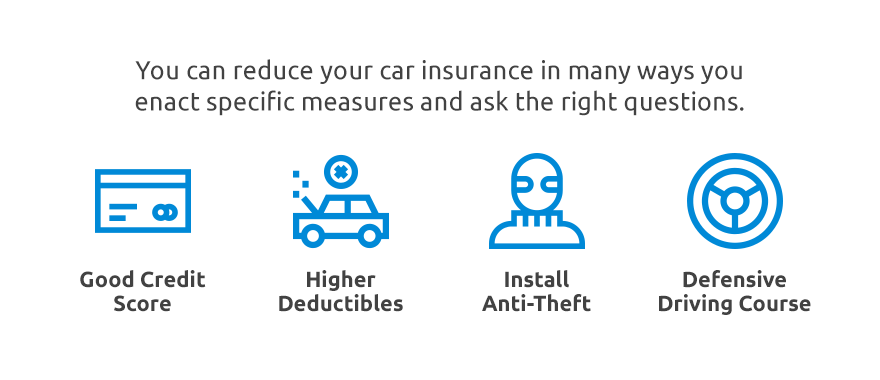
What Qualifies as an Auto Insurance Reduction?
An auto insurance reduction refers to any discount, credit, or adjustment applied to a policyholder’s premium based on certain qualifying factors. These reductions are offered by insurance providers to reward safe behavior, encourage responsible vehicle usage, and reflect lower risk profiles.
Common qualifications include maintaining a clean driving record, completing defensive driving courses, insuring multiple vehicles under one policy, or installing safety and anti-theft devices in the vehicle. Insurers analyze both personal and vehicle-related factors to determine eligibility for these reductions. By meeting specific criteria, policyholders can significantly decrease the amount they pay each billing period.
- Safe driving history with no at-fault accidents or traffic violations for a designated period, usually three to five years.
- Completion of state-approved driver education or defensive driving programs, which demonstrate a commitment to road safety.
- Installation of advanced safety features such as automatic emergency braking, lane departure warnings, or theft recovery systems.
Insurance companies apply premium reductions through a structured underwriting process that evaluates risk and assigns discounts accordingly. When a policy is issued or renewed, the insurer reviews the driver’s profile, vehicle specifications, and available discount programs.
If the applicant meets the requirements for a reduction, the discount is automatically factored into the premium calculation. Some reductions are applied at the time of policy purchase, while others may require the policyholder to request them or provide documentation. These adjustments are typically itemized on insurance statements, allowing customers to see exactly how much they are saving and why.
- Discounts are coded into the insurer's rating algorithm, automatically applying them when qualifying data is reported on the application.
- Multi-policy discounts (bundling auto and home insurance) require linking accounts and maintaining both policies with the same carrier.
- Low-mileage discounts are applied when drivers report annual usage below a specified threshold, often verified through telematics or odometer readings.
What Are the Most Common Types of Auto Insurance Discounts?
There are several widely available auto insurance reductions that can lower premiums for eligible drivers. These include multi-policy discounts, good student discounts, safe driver discounts, and pay-in-full incentives.
Some insurers also offer reductions for using paperless billing, setting up automatic payments, or maintaining continuous coverage without lapses. As the insurance market becomes more competitive, companies are expanding their discount offerings to attract and retain customers, making it beneficial for policyholders to regularly review available savings opportunities.
- Multi-policy discounts for bundling auto insurance with other policies such as renters or homeowners insurance, often saving 10–20%.
- Good student discounts for full-time students who maintain a “B” average or higher, reflecting lower risk behavior.
- Safe driver rewards for going a set number of years without accidents or citations, which can reduce premiums by 10–30% depending on the insurer.
Frequently Asked Questions
What is auto insurance reduction?
Auto insurance reduction refers to lowering your car insurance premium through discounts, policy adjustments, or improved driving behavior. Insurers offer reductions for safe driving, installing safety devices, bundling policies, or completing defensive driving courses.
Maintaining a clean driving record and higher credit scores can also lead to lower rates. These reductions help drivers save money while still maintaining necessary coverage, making insurance more affordable without sacrificing protection.
How can I qualify for an auto insurance reduction?
You can qualify for auto insurance reduction by maintaining a clean driving record, completing approved driving courses, or installing anti-theft or safety features in your vehicle.
Many insurers offer discounts for bundling policies, being a loyal customer, or having good grades for young drivers. You may also save by choosing higher deductibles or reduced coverage on older vehicles. Always ask your provider about available discounts and eligibility requirements.
Do safe driving habits lead to lower auto insurance rates?
Yes, safe driving habits significantly contribute to lower auto insurance rates. Insurance companies reward drivers with clean records—free of accidents, tickets, or claims—because they pose less risk.
Many insurers use telematics programs to monitor driving behavior like speed, braking, and mileage. Safe performance in these programs can result in immediate and ongoing premium reductions. Consistently driving responsibly is one of the most effective ways to maintain affordable insurance over time.
Yes, you can reduce your auto insurance premium without altering your coverage by taking advantage of available discounts and adjusting your payment plan. Insurers often offer multi-policy, loyalty, or safe driver discounts.
Paying your premium annually instead of monthly may also reduce fees. Additionally, improving your credit score or refinancing your vehicle could lead to lower rates. Always review your policy annually and compare quotes to ensure you're getting the best possible deal.
Leave a Reply