
Auto and home insurance
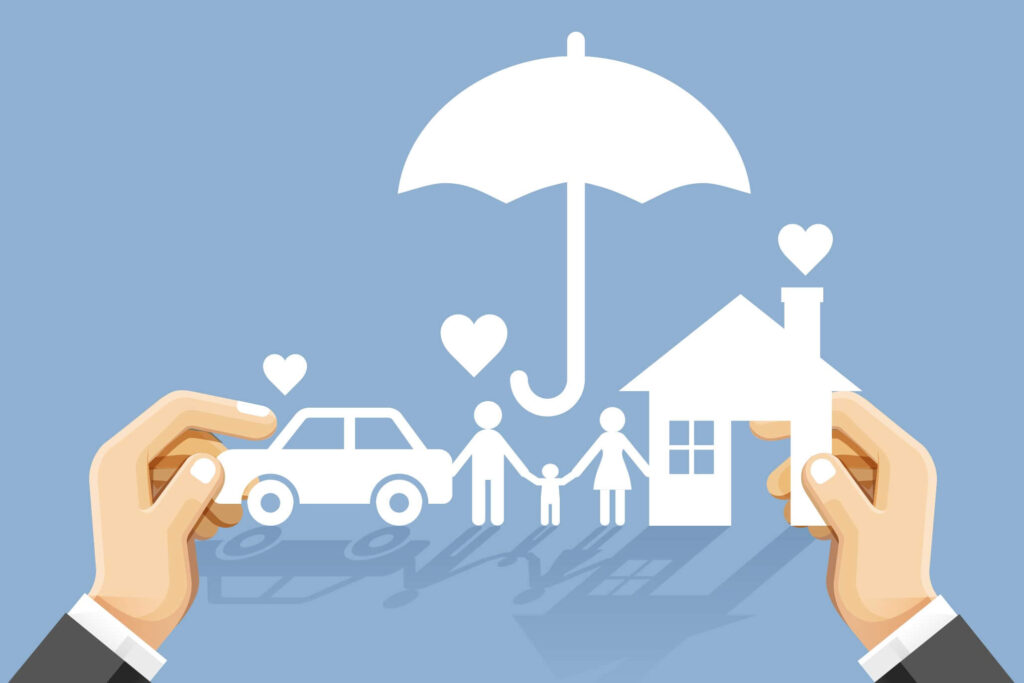
Protecting your assets is a fundamental part of financial well-being, and two of the most essential safeguards are auto and home insurance.
These policies provide critical coverage against unexpected events such as accidents, theft, natural disasters, and liability claims. Auto insurance helps cover vehicle repairs, medical expenses, and legal costs, while home insurance protects your property and belongings from damage or loss.
Together, they offer peace of mind and financial security for individuals and families. Understanding the details, coverage options, and factors that influence premiums is key to making informed decisions and securing the right protection for your lifestyle and needs.
 Fargo home insurance cost
Understanding the Benefits of Bundling Auto and Home Insurance
Combining auto and home insurance with the same provider—commonly referred to as bundling—offers policyholders a strategic way to save money while simplifying insurance management. Insurance companies often provide a multi-policy discount to encourage customers to purchase more than one type of coverage from them.
This bundled approach not only reduces overall premium costs but also streamlines billing, customer service, and claims processing. Moreover, having both policies under a single insurer enhances coordination in the event of related incidents, such as a car theft occurring at home.
However, it's important to compare bundled rates with standalone policies from other insurers to ensure you're receiving the best value. While bundling can increase convenience and lower expenses, coverage limits, deductibles, and customer support quality must still be carefully evaluated.
How Auto Insurance Coverage Protects You Financially
Auto insurance provides a critical financial safety net in the event of accidents, theft, or damage to your vehicle.
 Features to compare when shopping for home insurance
Most standard policies include several key components: liability coverage, which pays for injuries and property damage you cause to others; collision coverage, which takes care of repairs to your car after an accident regardless of fault; and comprehensive coverage, protecting against non-collision events such as fire, vandalism, or natural disasters. Additionally, uninsured/underinsured motorist coverage ensures you're not left paying out of pocket if you're hit by a driver without sufficient insurance.
State laws typically require minimum auto insurance levels, but these may not provide adequate protection, making it wise to consider higher limits. Factors like your driving record, vehicle type, and location heavily influence your premium, so shopping around is essential to find balanced, affordable protection.
The Importance of Home Insurance in Safeguarding Your Property
Home insurance is designed to protect your house and personal belongings from a wide range of risks, including fire, storms, theft, and vandalism.
A typical homeowner's policy includes dwelling coverage, which pays to repair or rebuild your home if it’s damaged by a covered peril, and personal property coverage, helping replace furniture, electronics, and other valuables. It also provides liability protection if someone is injured on your property and decides to sue, as well as additional living expenses (ALE) if you need temporary housing during repairs.
 Flood insurance for home
Certain high-value items may require separate riders or endorsements for full coverage. Location, home age, construction materials, and local crime rates all impact your premium. Regularly reviewing your policy ensures your coverage keeps pace with home value fluctuations and changing personal needs.
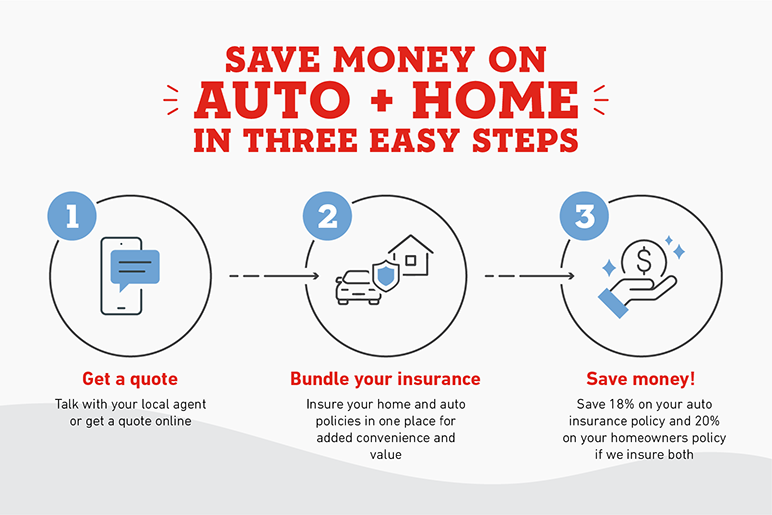
Bundling auto and home insurance can lead to significant premium savings, often ranging from 10% to 25% on combined policies. Insurance providers incentivize bundling because it increases customer retention and reduces administrative costs. Beyond the financial benefits, bundling can offer improved policy coordination, allowing for a single point of contact for claims and customer service.
However, while discounts are appealing, it's crucial to assess whether the bundled policies meet all your individual coverage needs. Sometimes, specialized standalone policies from niche insurers might offer broader protection or higher limits than those available in a bundle. The table below illustrates a comparison between bundled and separate policies to help assess overall value.
| Feature | Bundled Auto & Home Insurance | Separate Policies |
|---|---|---|
| Premium Cost | Lower due to multi-policy discounts | Typically higher without discounts |
| Customer Service | Single provider for all claims and inquiries | Different agents and processes for each policy |
| Flexibility | Limited to offerings of one insurer | Greater choice across multiple insurers |
| Coverage Options | Standard packages may lack customization | Can select best-in-class coverage for each need |
Comprehensive Guide to Auto and Home Insurance: Coverage, Benefits, and Cost Factors
What is the best auto and home insurance bundle available?
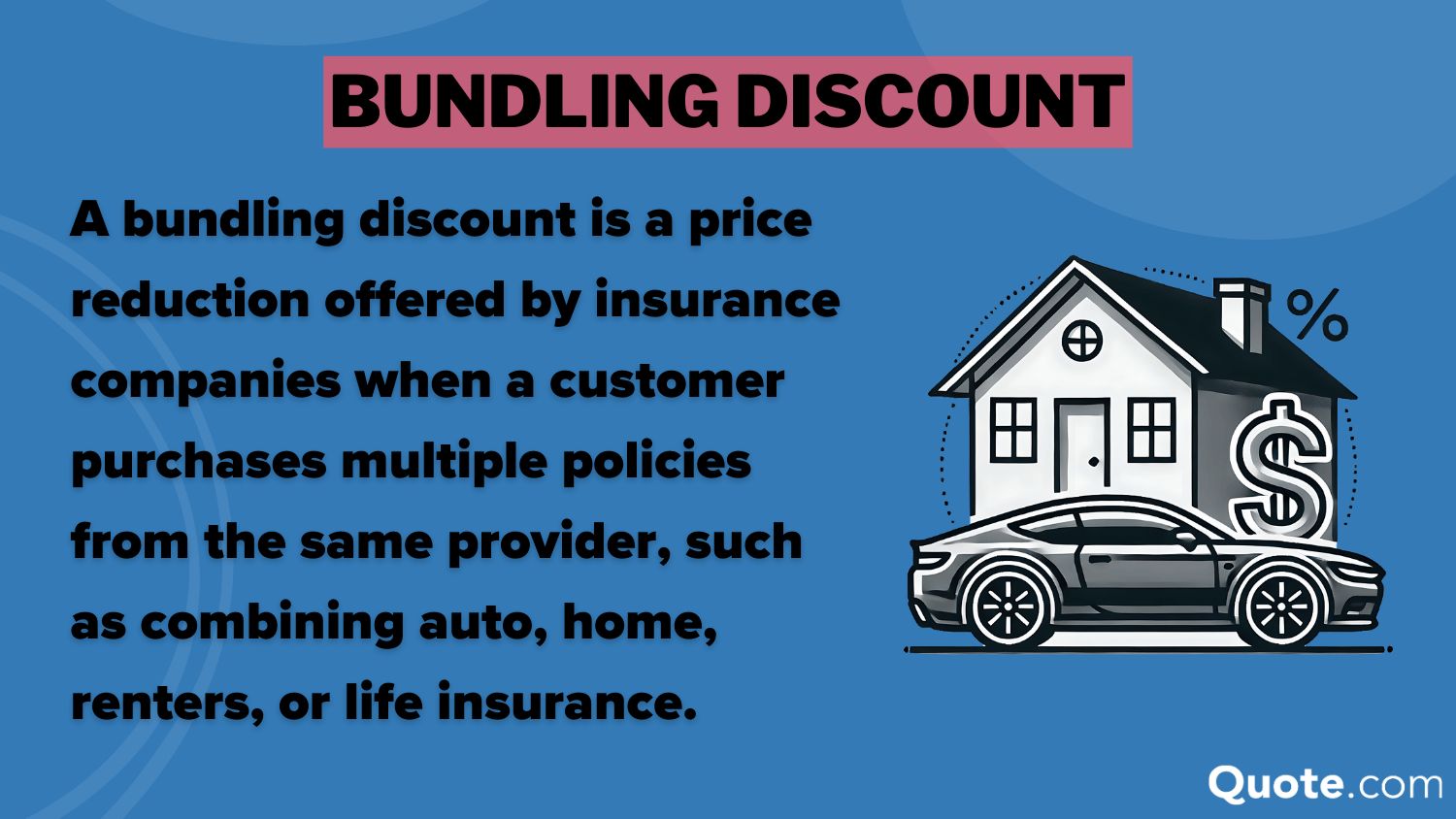
The best auto and home insurance bundle available depends on multiple factors, including location, coverage needs, credit history, and driving record.
However, based on customer satisfaction, affordability, and available discounts, State Farm consistently ranks among the top providers for bundled policies. Their bundling discount, known as the “Drive Safe & Save™” program when combined with home coverage, often results in savings of up to 25%.
Other strong competitors include Allstate, GEICO, and Progressive, each offering unique features such as accident forgiveness, claim satisfaction guarantees, and home monitoring discounts. It’s important to compare personalized quotes because the ideal bundle maximizes both cost savings and coverage quality.
Top Providers Offering Competitive Bundles
- State Farm offers one of the most reliable bundling options in the industry, frequently providing discounts that exceed 20%. Their widespread agent network ensures personalized service and localized pricing, which can improve claim handling efficiency and overall customer experience.
- GEICO combines affordability with digital convenience, commonly offering up to 16% off when bundling auto and home policies. Their online tools make managing policies easy, and they often run seasonal promotions that enhance savings for new bundle customers.
- Allstate’s Package Plan discounts can reach up to 25%, and they enhance the bundle with added benefits like deductible rewards and claim-free bonuses. Their partnership with Alarm.com also provides potential savings for smart home security integrations.
Key Factors Influencing Bundle Value
- The geographic location significantly impacts bundle pricing. Insurance rates vary by state due to local regulations, weather risks, and traffic density, so a bundle that is cost-effective in Texas may not offer the same value in New York.
- Credit-based insurance scores play a major role in determining rates. Insurers view strong credit as a sign of lower risk, often rewarding higher scores with deeper discounts on bundled policies.
- The extent of coverage selected affects final savings. Opting for higher liability limits or additional endorsements like personal property replacement cost coverage can alter the overall value of the bundle, sometimes reducing the effective discount percentage.
How to Maximize Savings and Coverage
- Compare quotes from at least three insurers annually. Even loyal customers can benefit from shopping around, as promotional rates for new bundlers often surpass renewal pricing. Online comparison tools streamline this process and highlight hidden differences in coverage terms.
- Ask about all available discounts beyond bundling. Many insurers offer reductions for safety features, claim-free history, or even affiliations with certain organizations. Combining multiple discounts can dramatically lower premiums.
- Review policy limits and deductibles to ensure adequate protection. A low premium is not beneficial if coverage falls short after a major claim. Adjusting deductibles slightly upward can enhance savings while maintaining strong protection.
Is bundling home and auto insurance truly cost-effective?
Understanding the Mechanics of Insurance Bundling
- Insurance bundling refers to the practice of purchasing two or more insurance policies—such as home and auto insurance—from the same provider. This strategy is typically marketed as a way to simplify policy management and reduce overall costs through multi-policy discounts.
- Insurance companies offer bundling discounts because it increases customer retention and reduces administrative costs. When customers consolidate policies, insurers benefit from a long-term relationship and reduced acquisition expenses, which they pass on partially to the customer.
- The effectiveness of bundling depends on the individual’s circumstances, including location, insurance history, credit score, and the specific pricing models used by insurers. While discounts may appear attractive, they do not guarantee that the bundled rate is the lowest available in the market.
Factors That Influence the Cost-Effectiveness of Bundling
- Discount magnitude varies significantly between insurers. Some companies offer modest discounts—often 5% to 15%—while others may extend savings up to 25% or more. It is essential to compare these percentages across multiple insurers to determine actual savings.
- The baseline prices of individual policies play a crucial role. A bundled policy might seem cheaper due to the discount, but if the original home or auto insurance rates are inflated, the overall cost could still be higher than purchasing separately from specialized providers.
- Customer profile determines eligibility for discounts and pricing tiers. Drivers with clean records or homeowners with advanced safety features may receive additional savings when bundling, but those with claims histories or poor credit may see less benefit.
When Bundling May Not Be the Best Financial Choice
- In some cases, bundling leads to overpaying because consumers assume the discount equates to the best deal without shopping around. Independent research often reveals that unbundled policies from different insurers can result in lower total premiums.
- Niche insurers may offer highly competitive rates on standalone policies. For example, a regional auto insurer might provide lower car insurance rates than a national provider that dominates the home insurance market, making separate policies more economical.
- Lock-in effects and reduced flexibility can be a downside of bundling. Switching providers becomes more complicated when multiple policies are tied together, potentially discouraging customers from seeking better rates in the future even if market conditions change.
Frequently Asked Questions
What does auto and home insurance typically cover?
Auto insurance generally covers liability for injuries and property damage, along with collision and comprehensive protection for your vehicle. Home insurance covers structural damage, personal property loss, liability for injuries on your property, and additional living expenses if your home becomes uninhabitable. Together, they protect against common risks like accidents, theft, fire, and natural disasters, providing financial security and peace of mind in case of unexpected events.
Can I bundle auto and home insurance policies?
Yes, most insurers offer bundled policies that combine auto and home insurance. Bundling can lead to significant discounts, simplified billing, and easier policy management. It also strengthens your relationship with the insurer, potentially improving claim handling. Many customers save 10% to 20% annually by bundling. Always compare bundled rates with separate policies to ensure you're getting the best value based on your coverage needs and provider options.
How does filing a claim affect my insurance rates?
Filing a claim can increase your premiums, especially if you're at fault or have multiple claims. Insurance companies view frequent claims as a higher risk. A single small claim may have minimal impact, but major or repeated claims often lead to higher rates. Some insurers offer accident forgiveness for first-time claims. It's wise to weigh the cost of a claim versus paying out of pocket for minor damages to protect your long-term rates.
Premiums depend on several factors, including your location, credit score, driving record, home value, and claims history. For auto insurance, coverage levels, vehicle type, and annual mileage matter. For home insurance, construction type, age of the home, and proximity to fire departments affect pricing. Insurers also consider deductibles—higher deductibles usually lower premiums. Shopping around and improving risk factors can help reduce overall costs.
Leave a Reply