
Do You Have To Have Special Insurance To Deliver Food

Delivering food for platforms like Uber Eats, DoorDash, or Grubhub has become a popular way to earn extra income. However, many drivers wonder whether their personal auto insurance is enough when using their vehicle for deliveries.
Standard car insurance policies typically don’t cover commercial activities, leaving drivers at risk if an accident occurs during a delivery. This gap has led to questions about the need for specialized insurance. Some platforms offer limited liability coverage, but it may not protect against all scenarios. Understanding the insurance requirements and potential liabilities is crucial for anyone considering or already involved in food delivery.
Do You Need Special Insurance to Deliver Food?
Yes, you typically need special insurance to deliver food, especially if you're doing so as part of a gig-based delivery service such as DoorDash, Uber Eats, or Instacart. Standard personal auto insurance policies are generally not designed to cover commercial activities like food delivery, which means if you're involved in an accident while delivering meals, your personal policy might deny coverage.
 Do I Need Special Insurance To Drive For Uber
Most delivery platforms provide some form of insurance, but it's often limited and only activates during specific periods of the delivery process—such as after you’ve accepted a delivery but before you’ve dropped it off. Therefore, it’s crucial for delivery drivers to understand the gaps in coverage and consider obtaining additional or commercial insurance tailored to gig work. Not having the right insurance could expose you to significant financial risk in the event of an accident, vehicle damage, or claims of personal injury.
What Type of Insurance Do Food Delivery Platforms Provide?
Most major food delivery services offer a level of insurance coverage to their drivers, but this coverage is usually only active during certain segments of the delivery process.
For example, Uber Eats and DoorDash provide liability, uninsured motorist, and contingent comprehensive and collision coverage, but only after a delivery request has been accepted and until the delivery is complete. Before accepting a delivery, drivers are generally considered to be in a personal driving status, and the platform’s insurance does not apply.
This leaves a significant coverage gap, particularly when drivers are logged into the app but waiting for orders. While these policies typically meet state minimum requirements, they often lack the full protection needed for full-time delivery workers, making supplemental insurance necessary.
 Do I Need Special Insurance To Drive For Uber Eats
Is Personal Auto Insurance Enough for Food Delivery?
Personal auto insurance is typically not sufficient when you're using your vehicle for commercial purposes like food delivery.
Most personal policies explicitly exclude coverage for any business-related driving activities, especially those involving transporting goods for compensation. If you file a claim after an accident while delivering food, your insurer may discover the commercial nature of your trip and deny your claim, potentially even canceling your policy.
This exclusion makes it risky to rely solely on your personal coverage. Some drivers try to avoid this by not disclosing their delivery work, but doing so can be considered insurance fraud. For consistent protection, switching to a commercial or rideshare insurance policy, or at least confirming your current insurer offers a rideshare endorsement, is a safer and more responsible choice.
What Are the Best Insurance Options for Delivery Drivers?
Delivery drivers have several insurance options to bridge the gaps left by personal policies and platform-provided coverage.
 Do I Need Special Insurance To Drive In Canada
One common solution is obtaining a rideshare endorsement from major insurers like Geico, State Farm, or Allstate, which extends personal coverage to include periods when the delivery app is active. Another option is purchasing a commercial auto insurance policy, which is designed specifically for business use and offers broader protection across all phases of food delivery.
While commercial policies are more expensive, they provide complete coverage and are required in some states for delivery drivers. For those using their vehicles heavily for deliveries, this investment is often worthwhile. Additionally, non-owner policies can be useful if you drive a rented or borrowed vehicle.
| Insurance Type | Coverage Period | Key Benefits | Limitations |
|---|---|---|---|
| Personal Auto Insurance | Only during personal use | Familiar rates, broad personal coverage | Excludes commercial delivery; claims may be denied |
| Platform-Provided Insurance | After accepting, before dropping off delivery | Free, includes liability & collision (limited) | Gaps when app is on but no delivery accepted |
| Rideshare or Commercial Insurance | Full delivery cycle, including driving to pick-up | Comprehensive, tailored for gig drivers | Higher premiums, varies by insurer and state |
Do You Need Special Insurance to Deliver Food? A Complete Guide
What type of insurance is required for food delivery drivers?
Personal Auto Insurance Limitations for Delivery Drivers
- Standard personal auto insurance policies are designed for non-commercial use and typically exclude coverage when a vehicle is used for business purposes such as food delivery.
- Most personal insurance providers consider food delivery a commercial activity, which means filing a claim while actively delivering orders may result in denied coverage or even policy cancellation.
- Drivers should notify their insurance company if they plan to use their vehicle for delivery, as failing to do so can lead to significant financial risks in the event of an accident.
Commercial Auto Insurance for Full-Time Delivery Drivers
- Commercial auto insurance is specifically designed for vehicles used in business operations, including full-time food delivery services.
- This type of insurance provides broader coverage, including liability for bodily injury and property damage that occurs during delivery activities.
- Drivers who work primarily or exclusively for a delivery company may be required by their employer to carry commercial auto insurance to ensure adequate protection.
Delivery Rideshare or Hyrid Insurance Options
- Some insurance companies offer a hybrid policy known as delivery rideshare insurance, which bridges the gap between personal and commercial coverage.
- This policy typically provides three distinct coverage periods: when the driver is logged into the delivery app but not on a delivery, when en route to pick up an order, and when delivering to the customer.
- Delivery-specific rideshare insurance is often more affordable than full commercial policies and is ideal for part-time drivers who use their personal vehicles for occasional deliveries.
Do You Need Specific Insurance to Deliver Food with DoorDash?

 Do I Need Special Insurance To Rent My House
Does DoorDash Provide Insurance Coverage for Delivery Drivers?
- DoorDash does offer some level of insurance coverage for delivery drivers, but it is contingent on specific conditions during the delivery process. This coverage activates only when a driver has accepted a delivery order and is actively engaged in completing a dash.
- The insurance provided by DoorDash typically includes liability coverage, which helps protect drivers if they cause injury or property damage while delivering. It may also include contingent comprehensive and collision coverage that applies if the driver’s personal auto insurance does not cover certain incidents.
- It's important to note that DoorDash's insurance is supplemental and secondary, meaning it only applies after the driver’s personal insurance has been utilized first. If a driver is not logged into the app or hasn't accepted an order, DoorDash insurance does not provide any protection.
Is Personal Auto Insurance Enough for DoorDash Deliveries?
- In most cases, standard personal auto insurance policies do not fully cover commercial activities like food delivery. Since driving for DoorDash is considered a form of ride-sharing or gig economy work, it falls into a gray area that many personal policies exclude.
- Some insurance companies classify food delivery under business use of a vehicle, which requires additional coverage beyond standard personal policies. Failing to inform your insurer about delivery work could lead to denied claims in the event of an accident.
- To ensure adequate protection, drivers should notify their insurance provider about their DoorDash activities. This may lead to an adjustment in policy terms and cost, but it helps avoid potential issues when filing claims related to delivery work.
Should You Get a Commercial Insurance Policy for DoorDash?
- While a full commercial auto policy is not usually required for DoorDash drivers, it may be beneficial depending on the amount of time spent delivering and the driver’s risk tolerance. These policies are designed specifically for business-related driving and provide broader coverage.
- Some drivers opt for a rideshare endorsement or a specific gig economy insurance product offered by certain providers. These endorsements bridge the gap between personal and commercial use by extending coverage during active delivery periods.
- Before investing in commercial insurance, drivers should compare premiums and coverage details. For those driving occasionally, an updated personal policy with a rideshare add-on may be more cost-effective than a full commercial plan.
What Insurance Is Required for Food Delivery Drivers?

Personal Auto Insurance Limitations for Food Delivery
- Personal auto insurance policies are designed for non-commercial use and typically exclude coverage when a vehicle is used for business purposes such as food delivery.
- If an accident occurs while actively delivering food, personal insurance providers may deny claims or even cancel the policy due to the increased risk associated with commercial driving.
- Most personal policies do not cover incidents that happen when the driver is en route to pick up an order, during delivery, or while carrying food from a restaurant, leaving drivers financially exposed.
Commercial Auto Insurance for Full-Time Delivery Drivers
- Commercial auto insurance is specifically built for vehicles used to transport goods or passengers for profit, making it the most appropriate coverage for full-time food delivery drivers.
- This type of insurance provides liability, collision, and comprehensive coverage tailored to the higher mileage and risk factors of commercial driving.
- Obtaining commercial insurance usually requires classifying the vehicle as a commercial unit with the state’s Department of Motor Vehicles, which may involve additional fees and regulations.
Delivery Rider Insurance and Hybrid Policies
- Some insurers offer delivery rider policies or endorsements that extend personal auto coverage to include food delivery activities, providing a middle ground between personal and commercial insurance.
- These hybrid policies often cover the period when the driver is logged into a delivery app and actively accepting or completing orders.
- Availability and affordability vary by location and insurer, but such policies can be a cost-effective solution for part-time or gig-based delivery drivers seeking proper protection.
Does standard car insurance cover food delivery, or is specialized coverage required?
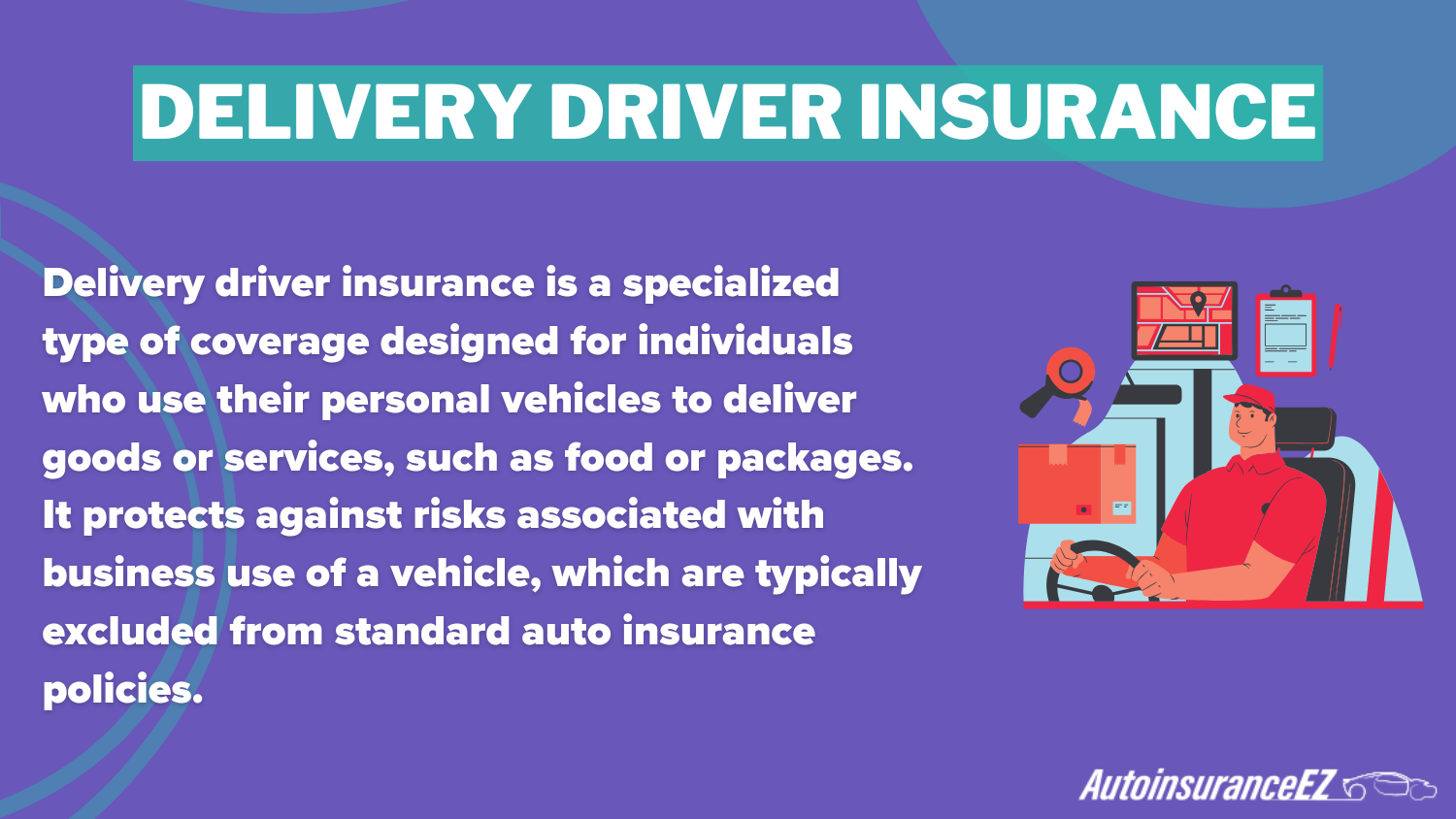
Does Personal Auto Insurance Cover Food Delivery Accidents?
Personal auto insurance policies are designed for personal use and generally do not extend coverage when a vehicle is being used for commercial purposes, such as food delivery.
When you sign up for standard car insurance, the provider assumes you are using the vehicle for commuting, running errands, or leisure travel—not for earning income. If you are involved in an accident while making food deliveries, your personal insurer may deny the claim upon discovering that the vehicle was being used commercially at the time. This could leave you financially responsible for damages, medical bills, and third-party liabilities.
 Do I Need Special Travel Insurance For A Cruise
- Standard policies often include clauses that exclude coverage for commercial activities, which food delivery falls under.
- Insurers may investigate the nature of the trip during a claim and discover delivery-related evidence, such as food packages or delivery app logs.
- Without proper disclosure, your insurer might cancel your policy or refuse future coverage due to misrepresentation.
What Is Food Delivery Insurance and How Does It Work?
Food delivery insurance is a specialized type of coverage designed specifically for drivers who use their vehicles to deliver goods for pay. It often functions as an add-on to a personal policy or as a commercial policy, depending on the insurer and the delivery platform.
Some third-party insurers offer ride-share and delivery endorsements that bridge the gap between personal and commercial use. Major delivery companies, such as Uber Eats, DoorDash, or Instacart, may provide limited liability and contingent insurance during active delivery periods, but this coverage typically has conditions and limitations.
- Contingent insurance from delivery platforms usually only activates when the delivery app is on and a delivery has been accepted.
- Coverage gaps exist between logging into the app and accepting a delivery, or during deadhead trips (returning home after a delivery).
- Some insurers offer pay-per-mile or usage-based policies tailored for gig drivers, covering both personal and delivery-related use.
How Can Delivery Drivers Ensure Full Coverage?
To avoid uncovered losses, food delivery drivers should take proactive steps to secure appropriate insurance. This includes reviewing their current policy, disclosing delivery activities to their insurer, and purchasing additional coverage if necessary.
Drivers should also understand the level of protection provided by the delivery platform and determine if it's sufficient. In many cases, switching to a commercial auto policy or obtaining a gig economy endorsement is the safest route. Comparing quotes and understanding policy terms helps drivers choose the best coverage at a reasonable cost.
- Drivers should contact their insurance provider to disclose food delivery activities and assess any required policy upgrades.
- Purchasing a commercial auto policy or a gig driver endorsement ensures continuous coverage during all phases of delivery work.
- Reviewing the delivery company’s insurance documents helps identify when their coverage applies and where personal insurance must fill the gaps.
Frequently Asked Questions
Do I need special insurance to deliver food as an independent contractor?
Yes, if you're delivering food as an independent contractor, your personal auto insurance may not cover you during deliveries. You typically need commercial auto insurance or a ride-share and delivery endorsement. Most food delivery platforms offer some secondary coverage, but it's limited. Having proper insurance protects you financially in case of accidents, injuries, or damages while working.
Does the food delivery company provide insurance for its drivers?
Most food delivery companies offer some level of insurance coverage, but it's usually secondary and only active during specific delivery stages. This coverage may not include periods when you're en route to pick up an order or waiting at a restaurant. It's important to verify the extent of the company’s policy and consider supplemental coverage to ensure full protection during all parts of your delivery work.
What type of insurance coverage is required for food delivery drivers?
Food delivery drivers generally need commercial auto insurance or a personal auto policy with a delivery endorsement. Standard personal policies often exclude coverage for commercial activities like food delivery. Depending on your location and platform, you may also need liability coverage. Some insurers offer specific gig economy policies tailored for delivery drivers, which can provide comprehensive protection while working.
Can I use my personal car insurance for food delivery?
Using your personal auto insurance for food delivery is risky and may violate your policy terms. Most personal policies exclude coverage for commercial use, so a claim could be denied. While some insurers allow limited business use with proper disclosure, it's safer to get a commercial policy or add a delivery endorsement. This ensures you're protected and avoids potential financial liability in case of an accident.
Leave a Reply