
Does diy electrical wiring void home insurance

DIY electrical wiring projects may seem like a cost-effective way to upgrade or repair a home’s electrical system, but they can carry serious consequences.
Many homeowners are unaware that improperly installed electrical work can potentially void their home insurance coverage. Insurance providers require electrical modifications to meet strict safety codes and standards, typically involving licensed professionals.
When unpermitted or non-compliant DIY wiring is discovered, insurers may deny claims related to electrical fires or damage. Understanding the risks and the terms of your policy is crucial. Before picking up a wire stripper, consider whether the savings are worth jeopardizing your home’s protection.
 Columbia Indexed Universal Life Insurance Attorney
Can DIY Electrical Wiring Affect Your Home Insurance Coverage?
Performing DIY electrical wiring may have serious implications for your home insurance policy. While some minor electrical tasks like replacing a switch or outlet under proper conditions might be acceptable, more complex electrical work—such as adding circuits, installing new panels, or rewiring significant portions of a home—often requires a licensed electrician.
Most home insurance providers require that electrical work comply with local building codes and be completed or inspected by a certified professional. If a claim arises due to damage caused by unpermitted or improperly installed DIY electrical work, the insurance company may deny the claim, arguing that the homeowner created an avoidable risk.
In some cases, insurers may even cancel or refuse to renew a policy if they discover extensive unpermitted electrical modifications. Therefore, it's crucial to understand the boundaries of safe DIY work and the potential risks it poses to insurance coverage.
What Qualifies as DIY Electrical Work That Could Void Insurance?
DIY electrical work that typically risks invalidating home insurance includes installing new circuits, altering your breaker panel, rewiring rooms or entire homes, and connecting major appliances without permits.
 Columbia Indexed Universal Life Insurance Lawyer
Work that bypasses local building codes, lacks required permits, or fails inspection standards is especially problematic. Insurance companies view such actions as increasing the risk of electrical fires, shocks, or system failures.
Even if the work appears to be done correctly, the absence of professional certification and inspection makes it difficult to prove compliance. Therefore, any electrical project that significantly changes your home’s electrical system and is not reviewed by a licensed electrician could be considered non-compliant and may void your insurance protection in the event of a related claim.
How Do Insurance Companies Find Out About DIY Electrical Work?
Insurance providers may discover DIY electrical work during a claim investigation, property inspection, or when reviewing documentation for renovations.
If a fire, electrical malfunction, or injury occurs, the insurer will typically send an adjuster or electrical expert to assess the damage. They may uncover unpermitted or non-code-compliant electrical work during this evaluation. Additionally, during a routine audit or renewal process, insurers might request permits or certifications for recent home improvements.
 Evaluate The Insurance Company Progressive On Life Insurance
Public records from local building departments can also reveal whether permits were pulled for electrical upgrades. Once unauthorized work is identified, especially if it contributed to damage, the insurer can argue that the policyholder violated the terms of the agreement—potentially leading to claim denial or policy cancellation.
What Are the Risks of Claim Denial Due to Unpermitted Electrical Work?
The primary risk of claim denial due to unpermitted DIY electrical work is financial liability for costly damages that would otherwise be covered.
If a fire or electrical issue stems from non-compliant wiring, the insurance company may refuse to pay, leaving the homeowner responsible for repairs, temporary housing, and legal liabilities. Additionally, repeated claims or discovery of multiple unpermitted upgrades could lead to higher premiums or non-renewal of the policy.
Beyond insurance, unpermitted work can affect the resale value of the home and complicate future inspections or financing. In extreme cases, local authorities may require the removal or correction of the work at the homeowner’s expense. Therefore, the short-term savings of DIY electrical projects can result in long-term financial and legal consequences.
 Columbia Indexed Universal Life Insurance Attorneys
| Risk Factor | Potential Consequence | Insurance Impact |
|---|---|---|
| No permit obtained | Work not approved by local authorities | Claim denial or policy cancellation |
| Non-compliance with electrical codes | Increased fire or shock hazard | Insurer may refuse coverage for related damages |
| No professional inspection | Hidden faults undetected | Loss of coverage if fault contributes to claim |
| Extensive system modifications | Higher risk of system overload | Higher scrutiny during claims process |
| Previous claim related to DIY work | Proven policyholder risk behavior | Policy non-renewal or increased premiums |
Does DIY Electrical Wiring Void Home Insurance? A Comprehensive Guide
Does DIY electrical work invalidate home insurance coverage?
When DIY Electrical Work Might Void Your Home Insurance
- Insurance providers typically require that electrical work be completed by licensed professionals to ensure compliance with local building codes and safety regulations. If a claim arises from faulty wiring or an electrical fire and it is discovered that unpermitted DIY electrical work was performed, the insurer may deny coverage.
- Most homeowner insurance policies include clauses stating that damage resulting from improper or substandard installations may not be covered. Since DIY electrical projects often lack required permits and professional inspection, insurers view them as a risk factor that could invalidate aspects of the policy.
- For example, if a homeowner installs new outlets or re-wires a room without proper certification, and a short circuit causes a fire, the insurance company could argue that the damage resulted from negligence, thus refusing to pay for repairs or replacements.
Exceptions and What’s Considered Minor DIY Work
- Not all DIY electrical tasks are automatically considered high risk. Insurance companies often distinguish between minor tasks—such as replacing light fixtures, installing light switches, or plugging in indoor lighting—and major electrical modifications like panel upgrades, new circuits, or rewiring entire rooms.
- Minor DIY work that adheres to manufacturer instructions and local code requirements is less likely to impact insurance coverage, especially if no permits are required for the task.
- However, even minor work can become an issue if it is improperly installed and causes damage. Keeping records, such as receipts and photos, of DIY electrical projects can help demonstrate that work was done safely, but this does not guarantee coverage if complications arise.
How to Safeguard Insurance Coverage When Doing Electrical Work
- To maintain insurance coverage, it’s best to hire a licensed electrician for any significant electrical project. A professional not only ensures the job is done safely but also arranges for permits and inspections required by local authorities, which insurers often require.
- If you do choose to perform DIY electrical work, check with your insurance provider beforehand to understand how the policy treats self-performed installations. Some insurers may require documentation or even a signed affidavit from a licensed electrician verifying the work.
- Always obtain necessary permits and schedule inspections. This demonstrates compliance with safety standards and provides documented proof that the work meets code, reducing the likelihood of a claim denial due to electrical issues.
Can DIY electrical wiring affect my home insurance coverage?
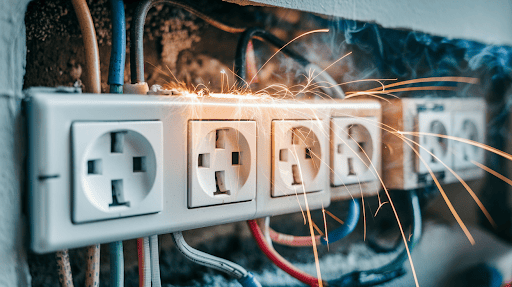
Yes, DIY electrical wiring can affect your home insurance coverage. Most insurance policies require that electrical work be performed by licensed professionals to ensure safety and compliance with local building codes.
If you perform electrical wiring yourself and it leads to a fire, electrical failure, or other damage, your insurance provider may investigate the cause. If they determine that unpermitted or improper DIY work contributed to the incident, they could deny your claim.
Furthermore, if the insurance company discovers unauthorized electrical modifications during a routine inspection or risk assessment, they might increase your premiums or even cancel your policy altogether. It's important to disclose any major home improvements and ensure they meet regulatory standards.
When Could DIY Electrical Work Lead to a Claim Denial?
- Insurance companies typically require proof that electrical installations were completed by certified electricians, especially if the work involves major circuits, panel upgrades, or new outlets. If a fire or electrical issue stems from unchecked DIY wiring, the insurer may classify the damage as a result of negligence.
- Many policies include clauses that void coverage for damages arising from work that doesn’t comply with local electrical codes. DIY projects often lack proper permits and inspections, making them non-compliant and therefore a liability risk.
- After a claim, adjusters may review the history of home improvements. If they find unlicensed electrical work was done without inspections, they can use that as grounds to reject the claim, particularly if the wiring defect is linked to the loss.
How Do Insurance Companies Discover DIY Electrical Work?
- During property evaluations or annual risk reviews, insurance assessors might spot signs of amateur wiring, such as improperly installed outlets, mismatched wiring, or lack of permits filed with local authorities.
- If a claim is filed due to an electrical fire or malfunction, the insurance company may hire a forensic electrician to inspect the system. This expert can identify non-standard installations that indicate DIY attempts.
- Local building departments often share records with insurers, especially in regions where permit tracking is integrated into property databases. Unpermitted electrical work discovered through these channels can trigger policy reassessments.
What Are Safer Alternatives to DIY Electrical Projects?
- Hiring a licensed electrician ensures the work meets the National Electrical Code (NEC) and local regulations, helping maintain your insurance coverage and home safety.
- Obtaining the proper permits and scheduling inspections for electrical upgrades creates a documented trail that reassures insurers the work was done correctly and safely.
- For minor electrical tasks like replacing light fixtures or switches, consult with a professional first and confirm whether such tasks are allowed under your insurance policy and local law—some small jobs may be acceptable if done carefully and in compliance.
Does DIY electrical work invalidate homeowners insurance coverage?

When Does DIY Electrical Work Affect Insurance Claims?
- DIY electrical work can impact insurance claims primarily when it directly contributes to the cause of a loss, such as a fire or electrical malfunction. If an insurer determines that unpermitted or improperly executed electrical work played a role in the damage, the claim may be denied.
- Insurance companies typically require that all home repairs and upgrades meet local building codes and are performed by licensed professionals, especially for high-risk systems like electrical wiring. Failure to comply with these standards can trigger exclusions in the policy.
- The timing of the work also matters—claims related to damage occurring long after unapproved electrical modifications may still be investigated. Insurers often require disclosure of major home improvements, and failure to report DIY electrical projects can be seen as misrepresentation.
How Do Insurance Companies Discover DIY Electrical Work?
- Insurance adjusters may discover DIY electrical work during a site assessment after a claim is filed, particularly if visible signs suggest non-compliant installations such as mismatched wiring, absence of junction boxes, or incorrect circuit breaker configurations.
- Permit records from local government authorities can be accessed by insurers to verify whether electrical work was approved. Lack of permits for significant electrical upgrades raises red flags and may lead to further scrutiny.
- Home inspections conducted during policy renewal or after major claims can also reveal evidence of unlicensed electrical modifications. These findings may result in policy cancellation, increased premiums, or denial of future claims.
What Types of DIY Electrical Work Are Usually Tolerated?
- Minor tasks such as replacing light fixtures, installing outlets on existing circuits, or swapping out switches are often considered acceptable DIY projects, especially if they don’t involve altering the overall electrical system or increasing load demands.
- Work that adheres to National Electrical Code (NEC) standards and does not require a permit may not jeopardize insurance coverage, provided it is completed safely and does not result in damage.
- However, even small projects can become problematic if they later lead to issues like tripped breakers, overheating, or fire. While insurers may overlook minor DIY work, any linkage between such work and property damage can still trigger a claim denial.
Can improper DIY electrical work affect your home insurance claim eligibility?
How DIY Electrical Work Can Void Home Insurance Coverage
- Most home insurance policies require that electrical work be performed by licensed professionals to meet local building codes and safety standards. When homeowners attempt electrical modifications themselves without proper certification, insurers may consider the work non-compliant.
- If a claim arises from damage linked to unpermitted or improperly installed DIY electrical systems—such as faulty wiring causing a fire—the insurance company has grounds to deny the claim due to breach of policy terms.
- Insurers often conduct investigations after major claims, including hiring experts to assess whether installations were up to code. Evidence of amateur electrical work can lead to policy cancellation or refusal to pay out.
Common Risks Associated with Improper Electrical DIY Projects
- Improper grounding, overloaded circuits, and incorrect wire gauging are frequent issues in DIY electrical jobs, all of which increase the risk of electrical fires, shocks, or short circuits.
- Without adherence to the National Electrical Code (NEC) or local regulations, even small projects like installing outlets or light fixtures can create hazardous conditions that compromise home safety.
- Hidden problems, such as loose connections inside walls, may not be immediately apparent but can degrade over time and eventually lead to severe damage that insurers may attribute to negligence.
Insurance Company Policies on Unpermitted Electrical Modifications
- Many insurance providers explicitly exclude coverage for damages resulting from work done without proper permits or professional oversight, especially in high-risk areas like electrical, plumbing, and structural systems.
- During underwriting or claims review, insurers may request documentation of permits and professional certifications for recent renovations. Failure to provide such proof can raise red flags.
- Even if a DIY project seems successful initially, the absence of inspection records or licensed contractor involvement can lead insurers to classify the home as a higher risk, affecting both claims and future premiums.
Frequently Asked Questions
Does DIY electrical wiring automatically void home insurance?
No, DIY electrical wiring doesn’t automatically void home insurance, but it can lead to denied claims if the work is unsafe or violates local codes. Insurers may investigate after a claim, and unpermitted or faulty DIY electrical work could be seen as negligence. Always check with your provider and follow regulations to avoid issues with coverage.
Can I do minor electrical repairs without affecting my insurance?
Yes, minor electrical repairs like replacing switches or outlets typically won’t affect your insurance if done safely and correctly. However, any modification involving wiring should follow local electrical codes. If the repair leads to damage and is found non-compliant, your insurer may deny the claim. When in doubt, consult a professional or notify your insurer.
What happens if I don’t disclose DIY electrical work to my insurer?
Failing to disclose significant DIY electrical work can result in denied claims or policy cancellation. If an inspection reveals unpermitted or hazardous work after a claim, insurers may consider it a breach of policy terms. Full disclosure helps maintain coverage and ensures you understand potential risks associated with any modifications made to your home.
Will hiring a licensed electrician for DIY-inspected work help with insurance claims?
Yes, having a licensed electrician inspect or certify your DIY electrical work can improve your chances of a successful insurance claim. Proper inspection ensures compliance with safety codes, which insurers require. Some companies may accept permitted, inspected DIY work if it meets standards. Certification provides proof of safety and may satisfy policy requirements.
Leave a Reply