
Does Special Event Insurance Cover Weather

Special event insurance provides financial protection for unexpected disruptions, but many organizers question whether weather-related issues are covered.
From outdoor weddings to corporate gatherings, severe weather like storms, hurricanes, or extreme heat can force cancellations or postponements. Standard policies may include coverage for weather events, but only under specific conditions—typically requiring damage or an official warning from authorities.
Unfavorable weather alone, such as light rain or cold temperatures, often isn't enough to trigger a claim. Understanding policy details, exclusions, and limitations is crucial. This article explores how special event insurance handles weather-related risks and what event planners should consider to stay protected.
 Do I Need Special Insurance To Drive In Canada
Special event insurance often provides coverage for unforeseen circumstances that could disrupt or cancel an event, including adverse weather conditions.
However, whether weather is covered depends heavily on the specific policy terms, the nature of the event, and how the policy defines a covered peril. Most standard policies include protection against extreme weather events such as hurricanes, tornadoes, or severe storms that make a venue unsafe or inaccessible. It's important to note that not all weather-related inconveniences qualify—light rain or mild wind typically won’t trigger a payout unless explicitly stated.
Policies often require proof that the weather prevented the event from occurring as planned, such as official weather reports or declarations from local authorities. Purchasing coverage well in advance and reviewing it with your provider ensures you understand limitations and can make informed decisions.
Types of Weather Events Typically Covered
Most comprehensive special event insurance policies cover catastrophic weather conditions that are sudden and uncontrollable, such as hurricanes, floods, blizzards, and tornadoes.
 Do I Need Special Insurance To Rent My House
These events must result in a government-issued warning, venue closure, or official evacuation order to qualify for a claim. For example, if a hurricane forces local authorities to close roads leading to an outdoor wedding venue, the resulting cancellation may be covered.
However, gradual weather patterns like seasonal rainfall or overcast skies are generally excluded. Insurers evaluate claims based on objective data, so providing documentation such as National Weather Service reports is essential. Understanding which weather types are considered valid perils under your policy helps set realistic expectations and avoid claim denials.
What Happens If Bad Weather Disrupts but Doesn’t Cancel the Event?
Some policies include contingency coverage for weather disruption, meaning partial compensation may be available even if the event proceeds despite poor weather.
For example, an outdoor festival that sees drastically reduced attendance due to heavy rain might be eligible for reimbursement of certain non-recoverable expenses, such as tent rentals or promotional costs. This type of protection often comes with specific thresholds, like requiring wind speeds above 40 mph or rainfall exceeding one inch within a certain timeframe.
 Do I Need Special Travel Insurance For A Cruise
Not all policies offer this feature, so it's important to inquire about weather modification clauses when purchasing coverage. Without such provisions, minor disruptions won’t lead to claim approval, leaving organizers to absorb the financial impact.
How to Ensure Your Event Is Protected Against Weather Risks
To maximize protection, event planners should select a policy with explicit weather-related cancellation terms and confirm whether it includes named storm coverage or requires add-on endorsements. Purchasing insurance early avoids exclusions related to foreseeable weather events—for instance, booking coverage after a hurricane has been forecasted usually invalidates claims.
Carefully reviewing policy details like deductibles, coverage caps, and required documentation is essential. Working with an experienced insurance provider allows you to tailor a plan that matches your event’s location, date, and exposure to regional weather risks. Additionally, including a rain date clause in contracts with vendors can complement insurance and reduce overall losses.
| Coverage Feature | Typically Included? | Key Notes |
|---|---|---|
| Hurricane or tornado damage | Yes | Requires official storm declaration or venue damage proof |
| Light rain or cloudy weather | No | Not considered a qualifying peril in most policies |
| Severe thunderstorm with high winds | Sometimes | Must meet specific wind speed or safety thresholds |
| Postponement due to weather | Varies | Depends on policy—may require a formal rescheduling clause |
| Named storm endorsement | Optional | Recommended for events in hurricane-prone areas |
 Do I Need Special Travel Insurance If Pregnant
What Types of Weather Events Are Typically Covered?
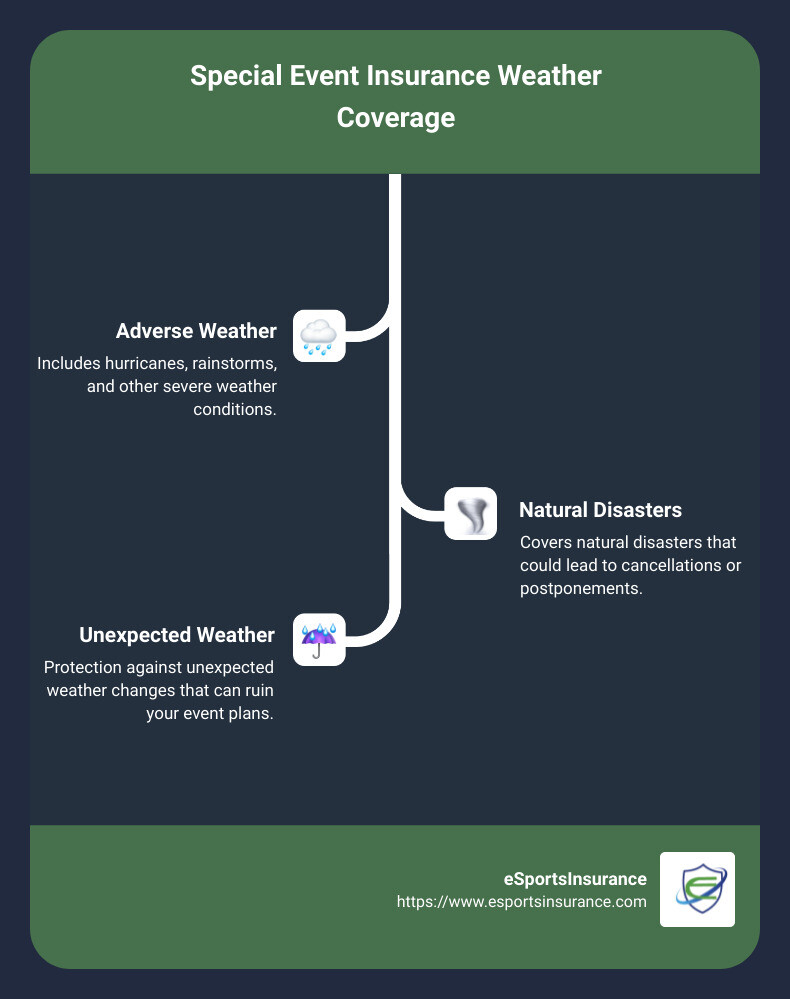
Special event insurance often includes protection for extreme weather that prevents an event from taking place as scheduled. The specific weather conditions covered can vary by policy, but insurers generally recognize certain severe weather patterns as legitimate reasons for cancellation or postponement.
These policies are designed to offer financial protection when weather makes it unsafe or impractical to proceed. Common scenarios include hurricanes, tornadoes, blizzards, and heavy storms that lead to hazardous travel conditions or venue closures. It's important to review the policy details carefully to understand which weather-related incidents qualify for a claim.
- Heavy rainstorms that result in flooding or render outdoor venues unusable are frequently covered, particularly when local authorities issue weather warnings.
- High winds or lightning that compromise safety at outdoor gatherings, such as weddings or concerts, may trigger coverage under the policy.
- Snow emergencies, especially those declared by municipal or state authorities, often qualify as covered events, particularly for winter celebrations held outdoors.
What Costs Are Reimbursed After a Weather-Related Cancellation?
When a special event is canceled due to covered weather conditions, the insurance policy may reimburse a range of non-refundable expenses. These are typically costs that the event organizer would not recover from vendors or venues after cancellation.
The goal of this coverage is to minimize financial loss in unpredictable situations. Reimbursement limits and specific inclusions depend on the insurer and the chosen policy plan. It's advisable to document all paid expenses and communicate with the insurance provider promptly after the event disruption.
- Venue rental fees that are lost due to cancellation are commonly reimbursed, provided the contract stipulates non-refundability and the cancellation was due to a covered weather event.
- Catering deposits or full payments that cannot be recovered after the event's cancellation are often eligible for reimbursement under the policy terms.
- Costs related to decorations, entertainment, and other vendor services that were prepaid and non-refundable may be included in the claim for reimbursement.
Are There Limitations or Exclusions in Weather Coverage?
Despite the protections offered, special event insurance policies typically include specific exclusions and limitations regarding weather-related claims. Understanding these restrictions before purchasing a policy is crucial to avoid unexpected denials.
Some policies require that the weather event be officially declared a disaster or reach a certain threshold of severity. Moreover, events canceled due to minor weather inconveniences, such as light rain or overcast skies, are usually not covered. Proactive planning and clear communication with the insurer help ensure realistic expectations.
- Gradual weather changes, such as an extended period of drizzle that doesn't create unsafe conditions, often do not qualify for coverage even if attendance is affected.
- Events held in regions with known seasonal weather risks (like hurricane-prone areas) may require additional riders or higher premiums for full coverage.
- Failure to make reasonable efforts to mitigate the impact—such as not rescheduling the event or seeking indoor alternatives—may reduce or void the claim eligibility.

Yes, special event insurance often includes coverage for weather-related cancellations, but it depends on the specific policy and provider. Most comprehensive event insurance plans offer protection against unforeseen weather conditions that make it impossible or unsafe to hold the event as planned. This can include severe storms, hurricanes, extreme temperatures, or floods.
However, the cancellation must typically be due to a weather event that is officially documented or meets certain criteria defined in the policy. It’s crucial to review the terms carefully, as some policies may exclude certain weather conditions or require the event to be postponed rather than simply disrupted. Purchasing a Cancel for Any Reason upgrade, if available, can also provide broader flexibility, though it usually costs extra.
Types of Weather Events Typically Covered
- Heavy rain or flooding that renders outdoor venues unusable or unsafe for guests and vendors.
- Hurricanes, tornadoes, or tropical storms that are declared by official meteorological authorities, often requiring mandatory evacuations or travel restrictions.
- Extreme weather conditions such as blizzards, ice storms, or dangerously high heat, which can compromise health and safety during outdoor gatherings.
- Most policies require that the weather event be severe enough to prevent the event from occurring as planned, and not just cause minor inconvenience or discomfort.
- Coverage generally applies only if the cancellation or rescheduling occurs after the policy is active, meaning pre-existing weather forecasts or known storms at the time of purchase may not qualify.
- Documentation such as weather reports from recognized sources (e.g., National Weather Service) or official declarations from local authorities is usually required to file a successful claim.
How to Ensure Adequate Protection for Weather Disruptions
- Review the policy wording carefully to confirm that weather-related cancellations are explicitly included and understand which events and thresholds apply.
- Consider purchasing additional coverage or upgrades, such as Cancel for Any Reason add-ons, which may offer protection even if the weather does not meet the standard for a full cancellation.
- Buy the insurance well in advance of the event to ensure coverage begins before any weather concerns arise and to maximize eligibility for claims.
What events or circumstances are typically excluded from special event insurance coverage?

Acts of War and Terrorism
Special event insurance policies commonly exclude coverage for losses resulting from acts of war, civil unrest, terrorism, or other politically motivated violence.
These events are considered high-risk and unpredictable, making them financially unfeasible for most standard insurers to cover without specialized, often costly, add-ons. As such, policyholders should not expect compensation if an event is canceled or disrupted due to these extreme circumstances.
- War-related incidents, including declared or undeclared wars and military actions, are universally excluded from coverage.
- Terrorist attacks, whether domestic or international, typically fall outside the scope of standard special event policies.
- Civil commotions, riots, or government-ordered shutdowns due to national security threats are generally not covered unless specifically added through a rider.
While some event insurance plans offer coverage for weather disruptions, many exclude broad categories of natural disasters such as hurricanes, floods, earthquakes, and severe storms—especially if they are foreseeable or listed under a named peril policy.
Events scheduled in regions prone to seasonal weather hazards may find these exclusions particularly limiting, and coverage for weather often depends on the specific policy terms and timing of cancellation.
- Hurricanes and tropical storms are frequently excluded unless explicitly included with additional premiums.
- Floods and rising water damage, especially in low-lying or flood-prone areas, are typically not covered under standard event policies.
- Earthquakes and other geological events are generally treated as uninsurable perils without separate endorsements or specialized policies.
Intentional Acts and Illegal Activities
Special event insurance does not cover damages or cancellations that arise from intentional, fraudulent, or illegal actions by the event organizer or attendees. This exclusion ensures that policyholders cannot benefit financially from wrongdoing. Insurers require honest representation of event activities, and any falsification of event details or engagement in unlawful conduct voids coverage.
- Fraudulent claims, such as staging a cancellation to collect insurance payouts, are strictly excluded and may lead to legal penalties.
- Organizers planning events that violate local laws or zoning regulations are not protected under standard policies.
- Damage caused by willful acts of the insured, such as knowingly hosting an event in unsafe conditions, invalidates insurance claims.
Does special event insurance provide coverage for adverse weather conditions?
:max_bytes(150000):strip_icc()/Term-Definitions_Weather-insurance-Final-v2-89ab1912425a4b76b5ab6d1303479ac8.jpg)
Yes, special event insurance typically provides coverage for adverse weather conditions, but only if the policy includes a cancellation or interruption endorsement due to weather.
This protection usually applies when the weather creates unsafe conditions or makes it impossible to reasonably continue or start the event as planned. For instance, if heavy rain, snowstorms, extreme heat, or hurricanes prevent guests from attending or render the venue unusable, the policy may reimburse non-refundable expenses.
- Most policies require that the weather event meets specific criteria, such as being officially declared by a meteorological authority or exceeding certain thresholds like wind speeds or snow accumulation.
- Coverage often applies to extreme or unforeseen weather events and may not cover typical seasonal conditions, such as light rain during a spring outdoor wedding.
- Reimbursement generally covers non-recoverable costs such as deposits, venue rentals, caterer fees, and entertainment bookings, provided they were prepaid and non-refundable.
Limitations and Exclusions in Weather Coverage
While weather-related coverage is available, it is essential to understand the limitations and exclusions that commonly apply. Not all adverse weather incidents automatically trigger a payout. Insurers often define what constitutes a qualifying weather event, and vague forecasts or minor disruptions may not meet the threshold for a claim.
- Many policies exclude weather events that were forecasted more than 24 to 48 hours in advance, meaning if a storm was predicted early, cancellation due to it may not be covered.
- Some insurers require proof that the event was scheduled to occur at the exact time the adverse weather took place, such as documentation from a weather service or public alert systems.
- Policies may not cover events postponed rather than canceled outright, or they might limit reimbursement to only those costs directly tied to the original event date.
Options for Enhancing Weather Protection
Event organizers can enhance protection against adverse weather by customizing their special event insurance policy. Adding specific endorsements or choosing comprehensive event insurance packages can offer broader coverage for weather disruptions. These options provide peace of mind, particularly for outdoor events in regions prone to unpredictable weather patterns.
- Organizers can opt for “cancel for any reason” upgrades, which are more expensive but offer greater flexibility, allowing cancellation due to forecasted weather even if it doesn't fully materialize.
- Some insurers offer temperature-based coverage, such as protection against extreme heat or cold that could affect guest safety or vendor operations.
- Adding vendor interruption coverage ensures that payments to third-party service providers are protected if severe weather disrupts their ability to deliver services as contracted.
Frequently Asked Questions
Yes, many special event insurance policies include coverage for weather-related cancellations, but only if the weather event is severe and unforeseen, such as a hurricane, tornado, or blizzard. Standard policies typically require that the weather makes the event impossible or unsafe to hold. Minor rain or wind usually isn’t covered. Always review your policy details and confirm with your provider to understand specific covered perils.
What types of weather are covered under event insurance?
Event insurance usually covers extreme weather conditions like hurricanes, floods, tornadoes, or snowstorms that prevent the event from taking place. Coverage applies only if the weather is officially declared severe by authorities and renders the venue unusable. Light rain, high winds, or cloudy skies typically do not qualify. Be sure your policy includes named-peril coverage for weather events and review exclusions carefully to understand what is protected.
Do I need to prove the weather disrupted my event to file a claim?
Yes, to file a successful claim for weather-related disruption, you must provide evidence such as official weather reports, government declarations, or communications from your venue. Photos, videos, and vendor cancellation notices can also support your claim. Insurance companies require proof that the weather made the event impossible or unsafe to proceed. Accurate documentation increases the likelihood of claim approval.
Can I purchase event insurance after bad weather is forecasted?
No, most insurance providers will not sell or activate weather coverage if severe weather is already forecasted. Policies generally have a known event exclusion, meaning you cannot insure against risks you’re already aware of. To ensure protection, buy event insurance well in advance—ideally at least 30 days before your event—so coverage is active before weather predictions emerge.
Leave a Reply