
International Travel And Health Insurance

Traveling abroad offers exciting opportunities to explore new cultures, cuisines, and landscapes. However, venturing into unfamiliar territories also comes with potential health risks and unexpected medical emergencies.
Without proper preparation, a simple illness or injury can result in significant financial and logistical challenges. This is where international travel and health insurance become essential. These policies provide coverage for medical expenses, emergency evacuations, lost medications, and even trip interruptions.
Choosing the right plan ensures access to quality healthcare abroad and offers peace of mind throughout the journey. Understanding the scope, limitations, and benefits of such insurance is crucial for every globetrotter.
 Best Travel Medical Insurance 2025
Why International Travel and Health Insurance Are Essential for Every Global Traveler
Securing adequate health coverage when traveling abroad is a critical aspect of international travel planning, often overlooked until an emergency occurs.
Unlike domestic travel, where healthcare systems are generally accessible and familiar, international travelers face significant risks such as unfamiliar medical practices, language barriers, and high out-of-pocket costs for treatment. Without proper insurance, a simple illness or injury can escalate into a financial and logistical nightmare, potentially costing thousands of dollars.
International health insurance ensures access to quality medical care, covers emergency evacuations, provides 24/7 support, and helps manage legal and administrative challenges in a foreign country. Whether traveling for leisure, business, or long-term stays, having tailored coverage provides peace of mind and protects both physical well-being and financial stability.
Types of Coverage Offered in International Travel Health Insurance
International travel health insurance policies vary widely in scope but generally include essential benefits such as emergency medical treatment, hospitalization, doctor consultations, and prescription medication coverage.
 Business Travel Insurance Quote
More comprehensive plans extend to include emergency dental care, mental health services, and medical evacuation or repatriation when local treatment is inadequate. Some policies also cover trip interruptions due to illness, quarantine situations, or even politically motivated medical emergencies.
It is important to distinguish between travel insurance (which may include non-medical benefits like baggage loss) and dedicated international health insurance, designed for expatriates or long-term travelers needing ongoing medical access. Understanding the specifics of inclusions, exclusions, and geographical coverage is crucial to selecting the right policy.
How to Choose the Right International Health Insurance Plan
Selecting the appropriate international health insurance plan requires a careful assessment of travel duration, destination, personal health history, and planned activities.
Travelers visiting multiple countries may need a global plan with worldwide coverage excluding only a few restricted regions, whereas a short-term vacationer may opt for a regional policy. High-risk activities such as scuba diving or mountain climbing often require additional riders. Age, pre-existing conditions, and budget also influence plan eligibility and premiums.
 Canada Creditor And Travel Insurance Market Report
It is advisable to review customer service options, claims processes, and the insurer’s network of hospitals and clinics abroad. Comparing multiple providers, reading policy documents thoroughly, and consulting with an insurance expert can significantly improve decision-making and ensure adequate protection.
Common Misconceptions About Travel Health Insurance Abroad
Many travelers mistakenly believe that their domestic health insurance or credit card benefits will cover them internationally, but most national plans offer little or no coverage outside the home country. Others assume that public healthcare in developed countries is free for visitors, which is rarely the case—foreigners often face steep charges without insurance.
Another misconception is that travel insurance is only for medical emergencies, when in fact it can cover a broad range of services, including routine care during extended stays. Some also believe insurance is too expensive, yet premiums are typically low relative to potential hospital bills abroad. Recognizing these myths helps travelers make informed decisions and avoid the high costs of being underinsured.
| Insurance Feature | Description | Typical Coverage Limit |
|---|---|---|
| Emergency Medical Treatment | Covers acute illnesses or injuries requiring immediate care, including doctor visits, diagnostics, and treatment. | Up to $1 million+ |
| Medical Evacuation | Transfers you to the nearest adequate medical facility or back home if local care is insufficient. | $500,000 – $1 million |
| Repatriation of Remains | Provides for the return of remains to your home country in the event of death during travel. | Up to $75,000 |
| Pre-Existing Conditions | Often excluded in basic plans; some insurers offer limited coverage under specific conditions. | Varies by provider |
| Emergency Dental Care | Covers sudden dental pain or trauma, but not routine check-ups or procedures. | $500 – $2,000 |
Comprehensive Guide to International Travel and Health Insurance
What is the top-rated health insurance for international travel?
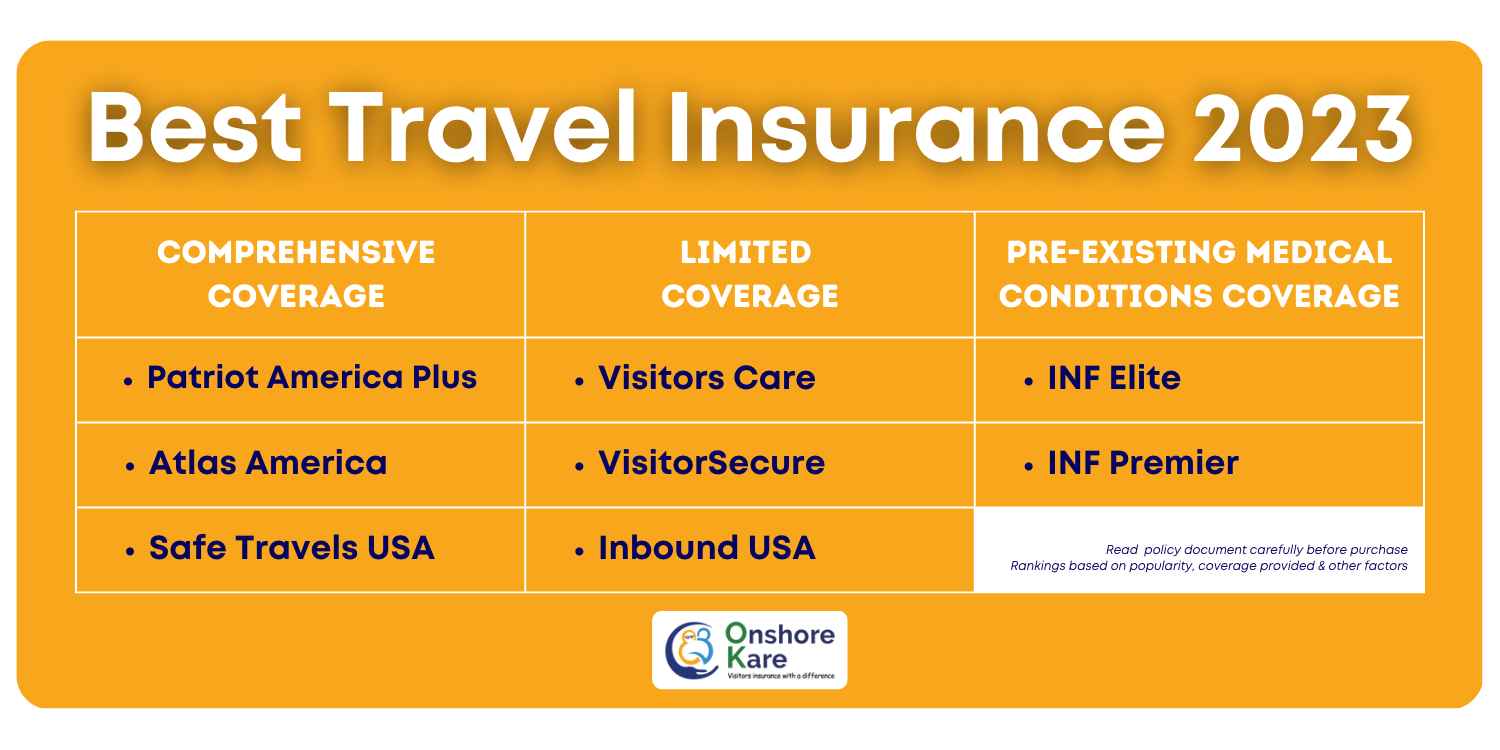
The top-rated health insurance for international travel is typically provided by companies that offer comprehensive coverage, global access to healthcare providers, and strong customer support.
Among the most highly rated options is World Nomads, which is particularly popular among adventurers and long-term travelers due to its flexibility and broad coverage. Other leading providers include IMG Global (International Medical Group), Allianz Care, and Cigna Global. These companies consistently receive positive reviews for their extensive networks, ease of claims processing, and 24/7 multilingual assistance.
The best choice depends on individual needs such as destination, duration of travel, pre-existing medical conditions, and the type of activities planned during the trip. It is essential to compare policies based on coverage limits, exclusions, emergency evacuation benefits, and customer service responsiveness.
Key Features of Top-Rated International Travel Health Insurance
- Comprehensive medical coverage that includes hospitalization, emergency care, and outpatient services across multiple countries, ensuring travelers are protected regardless of their location
- Emergency medical evacuation and repatriation benefits, which are critical in situations where local medical facilities are inadequate or unavailable
- Access to a global network of healthcare providers and direct billing options, allowing policyholders to receive treatment without paying out-of-pocket in many cases
Differences Between Short-Term and Long-Term Travel Health Insurance
- Short-term policies are designed for trips lasting from a few days to several months and typically offer more limited coverage, making them suitable for vacationers or business travelers with brief itineraries
- Long-term plans provide continuous coverage for expatriates, digital nomads, or retirees living abroad and often include benefits such as routine check-ups, prescription drug coverage, and maternity care
- Premiums and deductibles vary significantly between short- and long-term plans, with long-term policies generally offering more customization and higher annual limits to match extended stays
How to Choose the Best Policy for Your Travel Needs
- Assess your travel itinerary, including destinations and planned activities, to determine the level of risk and whether adventure sports or high-risk regions require special coverage endorsements
- Review policy exclusions and limitations carefully, especially regarding pre-existing conditions, mental health services, and pandemics, to avoid unexpected gaps in coverage
- Compare customer reviews, claims processing times, and the availability of multilingual support to ensure reliable assistance during emergencies abroad
Is travel health insurance necessary for international trips?

Yes, travel health insurance is necessary for international trips. While some travelers may assume their domestic health insurance covers them abroad, most standard medical plans offer little to no coverage outside the policyholder’s home country.
International healthcare systems vary widely, and medical treatment in foreign countries can be extremely expensive, especially in emergencies. Without proper insurance, travelers could face significant out-of-pocket costs for hospitalization, emergency evacuation, prescription medications, or urgent care.
Additionally, travel health insurance often includes valuable services such as 24/7 medical assistance, translation support, and coordination of care, which are essential when navigating a foreign healthcare environment. Purchasing a comprehensive travel health insurance plan helps ensure access to quality medical care and protects against unforeseen financial burdens during international travel.
Why Domestic Health Insurance Often Falls Short Abroad
- Most domestic health insurance policies are designed to work within the home country and may not provide coverage outside national borders. Even if they do, the reimbursement rates for foreign medical facilities are typically low or non-existent.
- Many local insurance providers do not have agreements with international hospitals or clinics, making it difficult to process claims or receive direct payment for services rendered.
- Pre-existing conditions may be excluded from coverage when traveling, unless specifically added to a travel insurance policy, leaving travelers vulnerable in case of a flare-up or emergency during the trip.
Coverage Benefits Specific to Travel Health Insurance
- Emergency medical evacuation is a critical feature, covering the high costs associated with transporting a patient to the nearest adequate medical facility or repatriating them back home if necessary.
- Travel health insurance often includes coverage for accidental injury, sudden illness, emergency dental care, and hospital stays, ensuring prompt treatment without upfront financial strain.
- Many policies provide access to a global assistance network, offering multilingual support, medical referrals, and coordination with local providers to expedite care and streamline communication.
Situational Risks That Make Insurance Essential
- Travelers visiting remote or developing regions may encounter limited healthcare infrastructure, increasing the need for evacuation or specialized treatment that only insured individuals can afford.
- Adventure tourism, such as skiing, scuba diving, or mountaineering, often involves higher risks of injury, and standard travel policies can be expanded to include coverage for such activities.
- Unexpected events like pandemics, natural disasters, or political unrest can disrupt medical access, and having insurance ensures travelers receive timely support and alternative care options when local systems are overwhelmed.
What is the average cost of health insurance for international travelers?
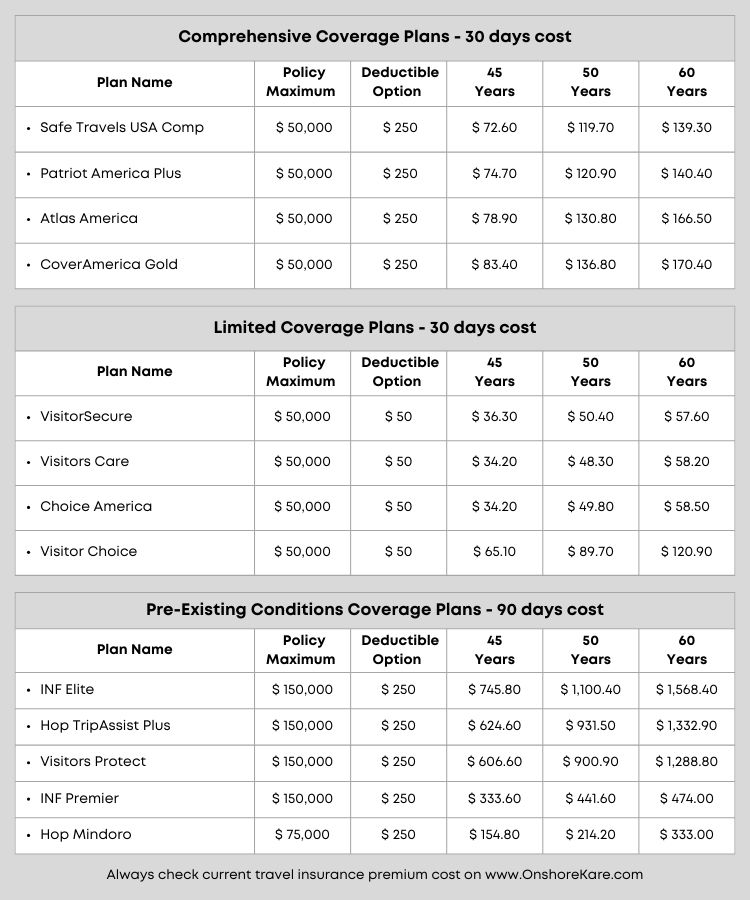
The average cost of health insurance for international travelers typically ranges from $40 to $120 per month, depending on several factors such as destination, duration of coverage, age, pre-existing conditions, and the level of medical benefits included.
Short-term travel insurance plans for young, healthy individuals traveling to low-risk countries may cost as little as $30 to $50 per month, while older travelers or those visiting high-risk regions might pay over $150 monthly.
Comprehensive plans that include emergency evacuation, hospitalization, and coverage for pre-existing conditions naturally cost more. Insurance providers such as World Nomads, InsureMyTrip, and GeoBlue offer various plans that can be tailored to meet different traveler needs.
Factors Influencing the Cost of International Health Insurance
- Destination: Countries with high healthcare costs, such as the United States, Canada, or Western European nations, generally require more expensive insurance plans to cover potential medical expenses. In contrast, travel to countries with lower medical costs may result in reduced premiums.
- Traveler’s Age: Premiums increase significantly with age. A 25-year-old backpacker will likely pay less than a 60-year-old traveler, as older individuals are statistically more likely to require medical attention during their trip.
- Coverage Scope: The breadth of benefits directly impacts cost. Policies that include dental emergencies, mental health services, repatriation, and chronic condition management are priced higher than basic medical coverage.
Types of International Travel Insurance Plans
- Short-Term Travel Medical Insurance: Designed for trips lasting from a few days to several months, these plans typically cover emergency medical treatment, hospitalization, and accidental injury. Average costs range from $40 to $80 per month, depending on the traveler's profile.
- Long-Term or Expatriate Health Insurance: Intended for individuals living abroad for extended periods, these comprehensive policies often include routine care, prescription drugs, and doctor visits. Monthly costs can range from $100 to $300 or more, especially for global coverage.
- Specialty and Adventure Coverage: Some travelers opt for add-ons or specialized plans that cover high-risk activities like scuba diving, skiing, or mountain climbing. These features can increase the base cost by 10% to 25%.
How to Find Affordable and Reliable Coverage
- Compare Multiple Providers: Use comparison platforms such as InsureMyTrip, SquareMouth, or VisitorsCoverage to evaluate pricing and benefits across various insurers. This helps identify cost-effective plans without sacrificing essential medical protection.
- Assess Your Health Needs Accurately: Declaring pre-existing conditions and understanding what treatments are covered can prevent claim denials. Some plans offer limited coverage for pre-existing conditions, which may slightly raise premiums but provide crucial protection.
- Select an Appropriate Deductible: Opting for a higher deductible can reduce monthly premiums. However, travelers should ensure they can afford to pay the deductible amount out-of-pocket in case of an emergency.
Frequently Asked Questions
What is international travel and health insurance?
International travel and health insurance provides medical coverage and emergency assistance for individuals traveling abroad. It typically includes expenses like hospitalization, doctor visits, prescription drugs, and emergency evacuation. This insurance ensures you’re protected against unexpected medical costs in foreign countries where your domestic insurance may not apply. It’s essential for tourists, students, and business travelers seeking peace of mind during international trips.
Why do I need health insurance when traveling abroad?
You need health insurance when traveling abroad because most domestic health plans offer limited or no coverage outside your home country. Medical care abroad can be expensive, and without insurance, you may pay out of pocket. International health insurance covers emergencies, hospital stays, and treatments, and often includes 24/7 assistance. It also helps with trip disruptions due to illness, ensuring access to quality healthcare and reducing financial risk during your journey.
Does international travel insurance cover pre-existing conditions?
Some international travel insurance plans cover pre-existing conditions, but coverage varies by provider and policy. Typically, the condition must be stable for a defined period—often 60 to 180 days—before travel. Full disclosure is required when purchasing the plan. Not all policies include this coverage, so it’s crucial to read the terms carefully. Always choose a plan that explicitly states pre-existing condition coverage if you have ongoing health issues.
How does emergency medical evacuation work with travel insurance?
Emergency medical evacuation in travel insurance covers transportation to the nearest adequate medical facility if you suffer a severe illness or injury abroad. If local care is insufficient, you may be moved to a better-equipped hospital or repatriated home. This service is coordinated by the insurer and includes air ambulance, medical staff, and logistics. It’s a critical benefit in remote areas or countries with limited healthcare infrastructure, ensuring timely, life-saving treatment.
Leave a Reply