
Best Medical Insurance For Travel Nurses

Travel nursing offers flexibility, adventure, and competitive pay, but one crucial aspect often overlooked is securing reliable medical insurance.
Unlike traditional nurses with employer-provided benefits, travel nurses frequently navigate complex and short-term contracts that may not include comprehensive healthcare coverage. The best medical insurance for travel nurses must be portable, affordable, and adaptable to frequent relocations across state lines.
With gaps between assignments and varying state regulations, having continuous, high-quality coverage is essential. This article explores top insurance options tailored to travel nurses, evaluating plans based on cost, network access, coverage breadth, and flexibility to ensure healthcare needs are met wherever the assignment takes them.
 Do Doordash Drivers Need Special Insurance
What Is the Best Medical Insurance for Travel Nurses?
Travel nurses face unique challenges when it comes to healthcare coverage due to the transient nature of their work, often crossing state lines and working with different healthcare facilities. Unlike traditional staff nurses who may receive comprehensive benefits from a single employer, travel nurses typically work through staffing agencies that may offer limited or no health insurance.
As a result, selecting the best medical insurance requires careful consideration of coverage flexibility, network accessibility across states, affordability, and the balance between premium costs and out-of-pocket expenses. Independent plans, professional associations, and marketplace options under the Affordable Care Act (ACA) are among the primary sources travel nurses explore.
The ideal insurance plan should provide nationwide coverage, include essential services like emergency care, prescriptions, and preventive care, and adapt easily to changing work locations. Because gaps in coverage can lead to significant financial risk, many travel nurses prioritize plans with robust networks and telehealth options, ensuring access to care regardless of assignment location.
Key Features of Top Medical Insurance Plans for Travel Nurses
The best medical insurance plans for travel nurses share several critical features that align with the mobile and often unpredictable lifestyle of these healthcare professionals. First and foremost, nationwide coverage is essential, allowing nurses to receive care in any state without relying on limited in-network providers.
 Do Food Delivery Drivers Need Special Insurance
Low deductibles and flexible co-pays help manage out-of-pocket costs, which is vital given the variable income some travel nurses experience between assignments. Telehealth services are increasingly important, offering immediate access to physicians without needing local providers, while prescription drug coverage ensures continuity of medication regardless of location.
Additionally, plans with short waiting periods and minimal red tape for enrollment allow travel nurses to secure coverage quickly when transitioning between jobs. High-quality plans often include preventive care at no extra cost and offer mobile apps for easy access to claims, provider networks, and ID cards. Evaluating these features helps travel nurses choose policies that provide both security and convenience.
Top Insurance Providers Offering Plans for Travel Nurses
Several insurance providers stand out for offering flexible and reliable health coverage tailored to the needs of travel nurses. UnitedHealthcare offers individual and family plans with one of the largest provider networks in the U.S., ideal for nurses who frequently change locations.
Blue Cross Blue Shield (BCBS) provides nationwide access through its extensive network of local plans, enabling seamless coverage across state lines—a significant advantage for mobile professionals. Aetna offers robust PPO plans with national reach and strong telemedicine support, while Cigna specializes in customizable plans with global coverage options for those working in diverse locations.
 Do I Need Special Insurance For Uber
For budget-conscious travelers, Molina Healthcare and some state-based ACA marketplace insurers provide lower-cost plans, particularly for those eligible for subsidies. Nurses affiliated with organizations like the American Nurses Association (ANA) can also access group insurance rates through partnerships with trusted carriers, offering an added layer of trust and support.
Comparison of Leading Health Insurance Options for Travel Nurses
Choosing among the top health insurance options involves evaluating trade-offs between cost, coverage breadth, and service quality.
The table below compares key aspects of leading insurance plans commonly used by travel nurses, helping clarify which might best suit individual needs based on coverage scope, affordability, and accessibility. Features such as network size, telehealth availability, and prescription benefits are highlighted to assist informed decision-making.
Travel nurses should prioritize plans with minimal restrictions on out-of-state care and ensure that hospitals in their typical assignment areas are included. Whether opting for a marketplace plan, an association-sponsored policy, or a private insurer, the right choice balances premiums, deductibles, and provider access without sacrificing essential care options.
 Do I Need Special Car Insurance For Doordash
| Insurance Provider | Coverage Type | Nationwide Network | Telehealth Services | Monthly Premium (Estimate) | Prescription Coverage |
|---|---|---|---|---|---|
| UnitedHealthcare | Individual & Family Plans | Yes | Yes | $400–$600 | Comprehensive |
| Blue Cross Blue Shield | State-based plans with national access | Yes (via network agreements) | Yes | $350–$550 | Includes generics and brand names |
| Aetna | PPO and EPO Plans | Limited PPO coverage nationwide | Yes | $380–$580 | Standard formulary tiers |
| Cigna | Global and domestic plans | Yes (select plans) | Yes | $420–$620 | Available with tiered pricing |
| ANA-Sponsored Plans | Group health through ANA | Varies by provider partner | Yes (depending on plan) | $300–$500 | Depends on selected carrier |
Best Medical Insurance Options for Travel Nurses: A Comprehensive Guide
What is the 12-month rule for travel nurses and how does it impact insurance eligibility?
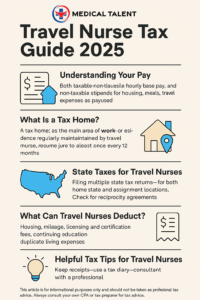
The 12-month rule for travel nurses is a guideline used by staffing agencies and healthcare facilities to determine whether a nurse qualifies as a travel nurse and remains eligible for tax-free housing stipends and other benefits. Essentially, it states that a travel nurse cannot accept tax advantages on per diem or housing reimbursements if they are working within 50 miles of their established tax home for more than 12 months in a rolling period.
The purpose is to ensure that the nurse maintains a legitimate tax home and is genuinely traveling for temporary assignments. If a nurse exceeds this 12-month threshold in one location—even with breaks between contracts—they may no longer be eligible for stipends that are tax-free, which directly affects their take-home pay and financial planning strategies.
Understanding the 12-Month Rule and Tax Home Requirements
- A travel nurse must have a clear and documented tax home to qualify for the benefits tied to the 12-month rule. This tax home is typically where the nurse maintains permanent housing, pays bills, and has ties such as driver's license, vehicle registration, or bank accounts.
- The IRS considers a tax home to be where the nurse regularly conducts business. If a nurse takes repeated assignments in the same geographic area for more than 12 months, the IRS may determine that the temporary assignment has become indefinite, disqualifying them from continued tax benefits.
- The 12-month period is usually calculated as a rolling clock, not a calendar year. That means any time spent working within 50 miles of a location is counted cumulatively over the last 12 months. If that total exceeds one year, stipends may become taxable, impacting insurance and payroll calculations.
How the 12-Month Rule Affects Insurance Eligibility
- Many travel nursing agencies provide health insurance as part of their compensation packages, but eligibility often depends on the nurse’s status as a genuine temporary worker. If a nurse exceeds the 12-month rule, the agency may reclassify them as a permanent employee of that region, which can alter insurance offerings or enrollment eligibility.
- Some insurance plans, especially short-term or supplemental ones offered by staffing agencies, are designed explicitly for travelers on temporary contracts. Remaining within multiple locations under the 12-month rule helps maintain eligibility for these specialized packages.
- Nurses who violate the 12-month rule might lose qualified status for employer-sponsored insurance and may have to switch to individual market plans, which can be more expensive and offer less coverage compared to group plans through an agency.
Strategic Assignment Planning to Comply with the 12-Month Rule
- To stay compliant, travel nurses should carefully plan the duration and location of their assignments, avoiding extending contracts beyond limits that would trigger the 12-month rule. This includes coordinating with recruiters to confirm geographic boundaries and timelines.
- Some nurses employ a strategy of rotating assignments across different regions or states to maintain a clear separation from their tax home. Taking a measurable break between assignments in the same area may not reset the 12-month clock, so geographic distance remains key.
- Maintaining accurate records—such as pay stubs, assignment contracts, and housing receipts—helps substantiate a nurse’s travel status in case of IRS inquiry. Proper documentation supports continued eligibility for tax-free stipends and related insurance benefits.
Is medical insurance necessary for travel nurses?
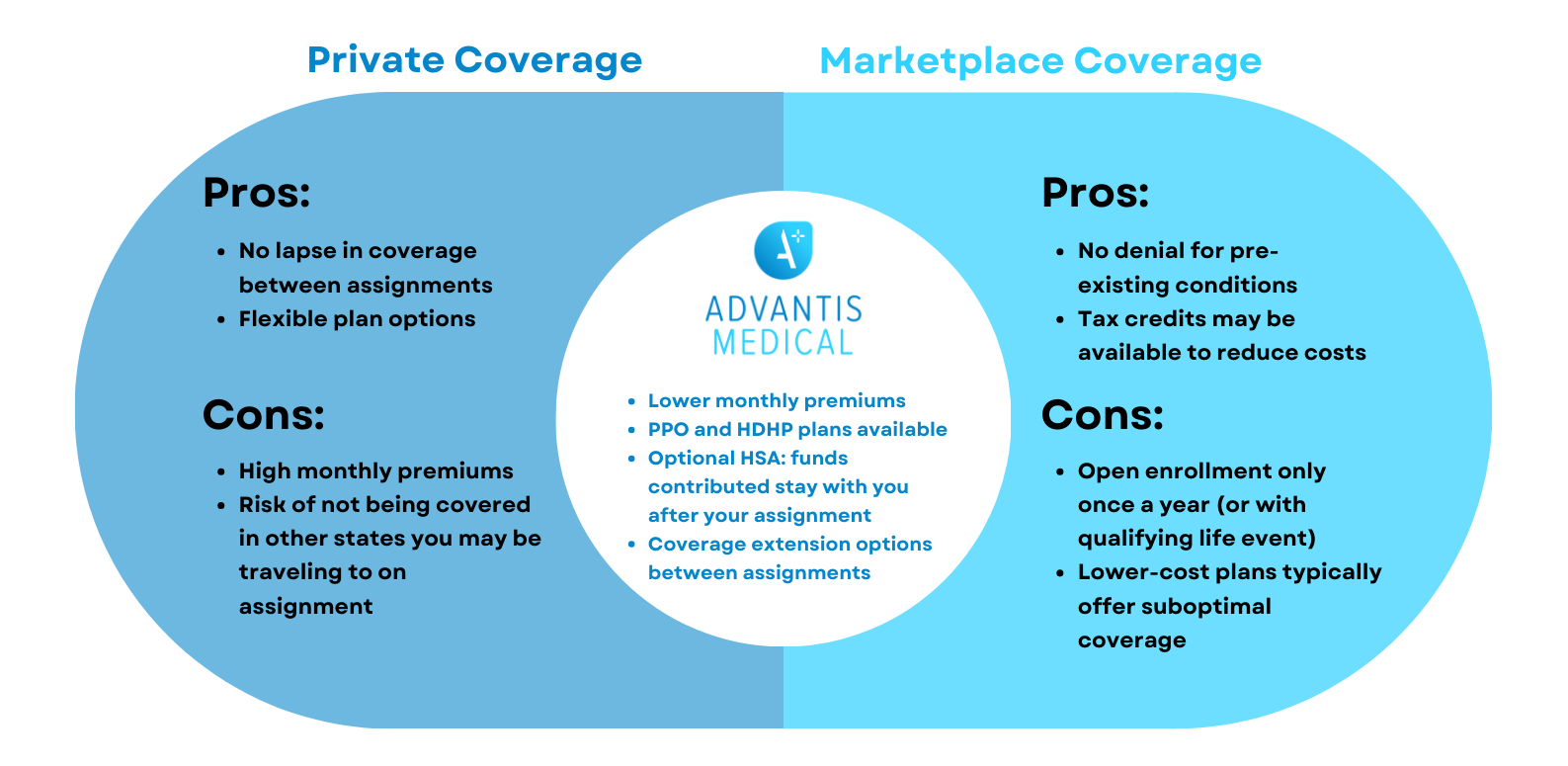
Yes, medical insurance is necessary for travel nurses. While many travel nurse assignments come with comprehensive benefits packages that include health insurance, not all do—and coverage can vary significantly between staffing agencies and contracts.
Since travel nurses frequently move between states and work in diverse healthcare environments, they face unique health risks and logistical challenges. Without reliable medical insurance, an unexpected illness or injury could result in substantial out-of-pocket expenses. Additionally, having health insurance ensures access to preventative care, mental health services, and medical treatment across state lines, which is essential for maintaining well-being while on assignment.
Why Health Insurance Matters for Travel Nurses
- Travel nurses often work in high-stress environments with long shifts, increasing the risk of physical and mental health issues. Access to consistent medical care ensures prompt treatment and ongoing management of work-related health concerns.
- Because travel nurses relocate frequently, continuity of care can be disrupted. Having portable health insurance helps them access primary care providers, specialists, and prescriptions regardless of location.
- Unexpected medical emergencies, such as accidents or acute illnesses, can occur while on assignment. Health insurance provides financial protection and access to necessary care without facing overwhelming medical bills.
Types of Insurance Options Available to Travel Nurses
- Many staffing agencies offer employer-sponsored health insurance plans as part of the benefits package. These plans often include medical, dental, and vision coverage and may be effective from the first day of assignment or after a short waiting period.
- Travel nurses who work independently or as independent contractors may need to purchase private insurance through the Health Insurance Marketplace or private insurers. These plans vary in cost and coverage but allow for greater flexibility based on individual needs.
- Short-term health insurance plans are another option for bridging gaps between assignments. While less comprehensive, they provide temporary coverage for emergencies and urgent care needs during transition periods.
Factors to Consider When Evaluating Insurance Benefits
- Network coverage is critical—travel nurses should ensure their insurance includes in-network providers in the states where they plan to work. Out-of-network care can be significantly more expensive.
- The scope of coverage, including mental health services, prescription drugs, and preventive care, should be reviewed carefully. A plan may appear affordable but lack essential services needed for long-term health.
- Deductibles, copayments, and out-of-pocket maximums directly affect how much a travel nurse pays when receiving care. Understanding these costs helps in selecting a plan that balances affordability with adequate protection.
What travel nursing company offers the best medical insurance coverage?

Top Travel Nursing Companies with Comprehensive Medical Insurance
When evaluating which travel nursing company offers the best medical insurance coverage, several agencies consistently stand out due to their robust benefits packages.
A Trusted Health survey of travel nurses identified companies like Incredible Health, Aureus Medical, and Flex RN as leaders in health coverage. Incredible Health, for instance, provides a zero-dollar deductible health plan with 100% coverage after the deductible, a significant advantage for nurses who need immediate and affordable medical access.
Aureus Medical partners with reputable insurers to offer multiple plan tiers, including PPO and HMO options, allowing nurses to select coverage based on personal needs. Flex RN is notable for offering continuous coverage between assignments, which eliminates gaps in healthcare—an essential feature for contract-based professionals.
- Incredible Health offers a high-comprehensive, low-deductible health plan with full in-network coverage, ideal for frequent medical users.
- Aureus Medical provides customizable medical plans through UnitedHealthcare, including dental and vision add-ons.
- Flex RN ensures uninterrupted medical coverage even during breaks between contracts, enhancing long-term health security.
Factors to Consider When Evaluating Insurance Benefits
Not all medical insurance plans are created equal, even among top-tier agencies, so nurses must compare several critical factors before making a decision.
Premium cost is a primary concern—some companies cover the full premium, while others require a staff contribution ranging from 10% to 30%. The scope of network access is another key element; PPO plans typically offer broader access to specialists and hospitals across states, which is advantageous for nurses who travel frequently.
Additionally, evaluating prescription drug coverage, mental health services, and telehealth options ensures the plan supports holistic care. Waiting periods before coverage begins vary by company, and shorter or no waiting periods are preferable. Lastly, transparency in billing and customer support responsiveness can impact how efficiently claims are processed and issues resolved.
- Compare whether premiums are fully covered by the agency or if employee contributions are required, as this affects net pay.
- Assess network reach—PPO plans generally offer wider access, especially important in remote or rural placements.
- Review coverage inclusions such as preventive care, emergency services, telemedicine, and maternal health for comprehensive protection.
How Company Reputation and Nurse Feedback Influence Insurance Satisfaction
Real-world experiences from current and former travel nurses are vital in determining which companies deliver on their insurance promises. Online forums like Reddit’s r/travelnurses and platforms such as NurseFly and Trustoria collect extensive reviews where nurses rate agencies on benefits, including health insurance reliability.
For example, several nurses praise Medical Solutions for fast claim processing and responsive HR, despite slightly higher premiums. Cross Country TravCorps receives mixed feedback—while coverage is extensive, some report difficulties activating benefits during short notice assignments.
Meanwhile, Host Healthcare consistently ranks high in user satisfaction for bundling high-value insurance with housing stipends and liability coverage. Agencies that provide dedicated benefits coordinators tend to have more positive reviews, indicating that support infrastructure significantly impacts user experience.
- Agencies like Medical Solutions receive praise for efficient benefits enrollment and ongoing customer support during active contracts.
- Cross Country TravCorps offers strong insurance options but has inconsistent feedback regarding activation timelines and claim denials.
- Host Healthcare earns recognition for integrating quality health plans with overall compensation, as confirmed by verified nurse testimonials.
Frequently Asked Questions
What is the best medical insurance for travel nurses?
The best medical insurance for travel nurses offers comprehensive coverage, flexibility, and nationwide availability. Popular options include plans from major providers like Aetna, Cigna, and UnitedHealthcare, as well as specialized travel nurse agencies offering tailored benefits. Look for low deductibles, telehealth access, and coverage across multiple states. Always verify network hospitals in your assignment locations to ensure seamless care while working temporarily in different areas.
Do travel nurses get health insurance from their agency?
Yes, most travel nursing agencies offer health insurance as part of their benefits package. Coverage varies by agency, so it's important to review plan details like premiums, deductibles, and provider networks. Some agencies provide multiple plan options, including medical, dental, and vision. While agency-sponsored plans are convenient, nurses should compare them with private options to ensure they meet individual needs, especially if covering dependents or requiring specific medical services.
Can travel nurses keep their own health insurance?
Yes, travel nurses can keep personal health insurance if it allows out-of-state care and fits their mobile lifestyle. However, many opt for agency-provided or private short-term plans designed for frequent relocations. Portability and nationwide network access are key. If keeping a personal plan, ensure it covers emergency and routine care in different states and doesn’t restrict providers based on residency. Always verify coverage details before accepting an assignment in a new location.
Are there short-term health insurance plans for travel nurses?
Yes, short-term health insurance plans are available and popular among travel nurses needing flexible coverage between contracts. These plans typically offer lower premiums and quick enrollment but may have limited benefits and exclusions for pre-existing conditions. They work well as temporary solutions but aren’t a substitute for comprehensive coverage. Travel nurses should use them cautiously and ensure they meet minimum essential coverage requirements to avoid potential tax penalties.
Leave a Reply