
Risks of bundling home insurance with other products

Bundling home insurance with other financial products, such as auto insurance or banking services, is often marketed as a convenient and cost-effective solution. While discounts and streamlined management can be appealing, this practice carries significant risks that consumers may overlook.
Bundling can lead to paying for unnecessary coverage, reduced flexibility in choosing providers, and potentially higher long-term costs. In some cases, policyholders discover that bundled policies offer less comprehensive protection than standalone options.
Additionally, switching providers becomes more complicated when multiple services are tied together, limiting competitiveness and consumer choice. Understanding these risks is essential before committing to bundled insurance packages.
 Life Insurance Mortgage Loan
Risks of Bundling Home Insurance with Other Products
Bundling home insurance with other insurance products—such as auto, life, or umbrella policies—can offer convenience and potential discounts, but it also comes with several hidden risks that consumers should carefully evaluate.
While the initial appeal of a bundled package includes cost savings and simplified billing, these benefits may diminish over time due to reduced competition, limited customization, and potential overpayment. Insurers often promote bundling as a way to increase customer loyalty, yet this can result in policyholders remaining with a provider even if better rates or coverage options are available elsewhere.
Additionally, if one part of the bundle, such as auto insurance, experiences a claim spike or premium increase, it may negatively impact the pricing or terms of the entire bundled package. Thus, while bundling might seem efficient, it can lead to complacency in reviewing coverage needs and market alternatives, ultimately exposing consumers to financial and coverage-related risks.
Reduced Market Competition and Price Inflation Over Time
When consumers bundle home insurance with other policies, they may become less likely to shop around for better rates across different insurers, leading to diminished price competition.
 Life Insurance Networking Events
Insurers reward bundling to encourage customer retention, but the initial discount may not be sustained in subsequent years, and rates can rise faster than market averages. Without regular comparison shopping, policyholders might end up paying significantly more than if they had purchased policies separately from top-performing providers.
Over time, loyalty penalties can occur, where long-term customers pay more than new customers for the same coverage, and the lack of competitive pressure reduces the incentive for insurers to offer optimal pricing. Therefore, even if bundling starts with savings, it can eventually result in higher overall costs.
Loss of Policy Customization and Flexibility
Bundling often restricts the ability to tailor each insurance policy to its most suitable provider and coverage level, resulting in a one-size-fits-all approach that may not meet individual needs.
For example, one insurer might offer excellent home coverage but subpar auto insurance, forcing consumers to accept inferior protection in one area to maintain the bundle. This lack of flexibility can lead to gaps in coverage or unnecessarily high premiums on underperforming lines of insurance.
 Life Insurance No Exam Policy
Additionally, if you need to modify only one policy—such as increasing liability limits on your auto policy—you may face complications or price penalties due to the bundled nature of the contract. As life circumstances change, this inflexibility can become a significant drawback, making it harder to adapt insurance to evolving risks.
Difficulty in Evaluating True Policy Performance and Value
One of the major challenges with bundled insurance is the lack of transparency in assessing how each individual policy performs in terms of pricing, claims handling, and customer service.
When coverage is combined, it becomes harder to isolate and evaluate the quality of service for home insurance versus auto insurance, especially during a claim. If the auto insurer processes claims slowly or with friction, it may affect the consumer's overall trust in the provider—even if the home insurance service is excellent.
Moreover, discounts from bundling can obscure whether each component of the bundle is competitively priced. Consumers may assume they're saving money when, in reality, they're overpaying for one or more policies due to the opaque structure of bundled pricing.
| Risk Factor | Impact | How to Mitigate |
|---|---|---|
| Reduced competition over time | Higher premiums due to reduced incentive to shop around | Annually compare bundled vs. standalone quotes from multiple insurers |
| Loss of customization | Inadequate coverage or over-insurance in specific areas | Review each policy’s terms separately and consider splitting if coverage lags |
| Opaque pricing structure | Difficulty identifying if discounts truly offset costs | Request a detailed rate breakdown from your insurer and track renewals closely |
Understanding the Risks of Bundling Home Insurance with Other Products
What are the potential drawbacks of combining home insurance with other insurance products?
Reduced Flexibility in Policy Customization
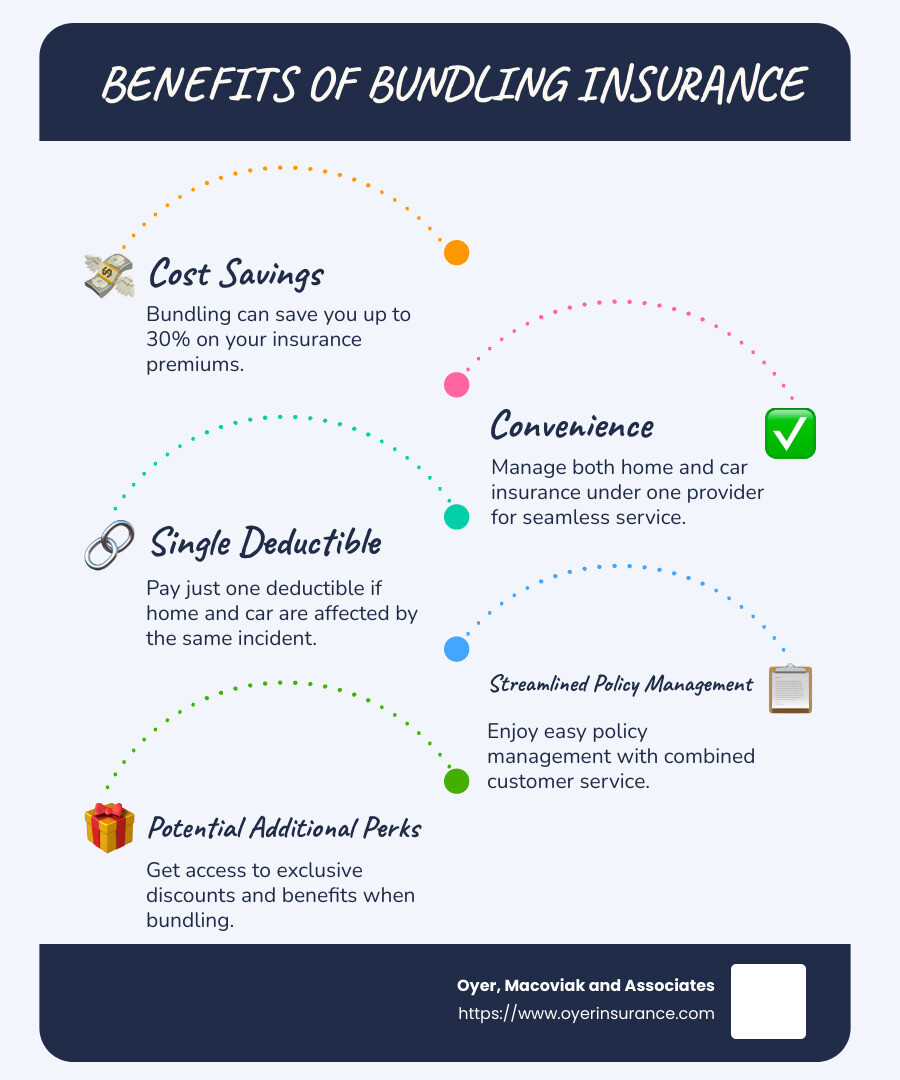
When combining home insurance with other insurance products, such as auto or life insurance, policyholders often face limitations in customizing each coverage to meet their specific needs. Insurance bundles are typically structured with predefined options that may not allow for granular adjustments.
- Standardized coverage limits may not account for unique aspects of a home, such as high-value personal property or specialized security systems.
- Discounts gained from bundling might come at the expense of reduced coverage options, requiring consumers to compromise on protection levels.
- Inflexible terms may prevent homeowners from adapting policies in response to life changes, like renovations or acquiring valuable assets.
Higher Overall Costs in Certain Scenarios
While bundling insurance products is often marketed as a way to save money, in some cases it can lead to higher total premiums over time, especially when individual policies from different providers would have been more competitively priced.
- Bundled policies may mask the actual cost of each component, making it difficult to compare prices with standalone alternatives.
- Insurers might increase the cost of one type of coverage to subsidize discounts on another, resulting in a net financial loss for the consumer.
- Long-term pricing structures in bundled policies can become less competitive as insurers adjust rates, leaving customers locked into agreements without realizing the rising costs.
Complicated Claims and Customer Service Processes
Combining multiple insurance policies under a single provider can lead to administrative challenges when filing claims or resolving policy-related issues, particularly if different types of claims are handled by separate departments.
- Claim disputes involving both home and auto incidents may result in finger-pointing between departments, delaying resolution.
- Customer service representatives may lack comprehensive knowledge across all bundled products, leading to miscommunication or inefficiencies.
- Changes or cancellations in one policy can inadvertently affect the terms or pricing of the entire bundle, creating confusion and potential coverage gaps.
What are the risks of bundling home insurance with other products?
Potential for Higher Long-Term Costs
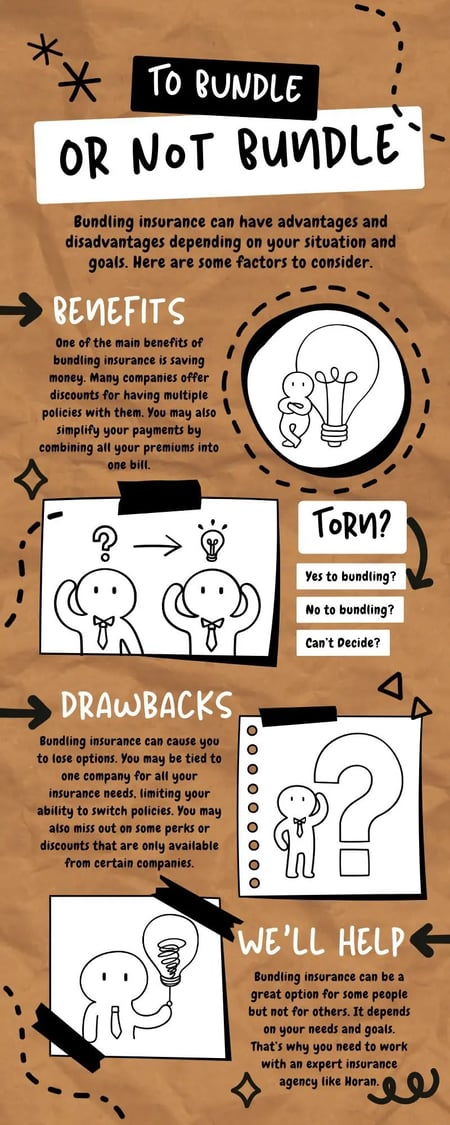
While bundling home insurance with other policies such as auto or life insurance can offer initial discounts, there is a risk that the long-term cost may be higher than expected. Insurance providers often promote bundling with attractive introductory rates that may increase significantly after the first policy term.
Additionally, once a customer is locked into multiple products with one company, the incentive to shop around decreases, which could lead to paying more over time compared to purchasing policies separately from competitive insurers. Limited price transparency can also make it difficult to assess whether the bundle remains cost-effective.
- The initial discount may expire after the first renewal, resulting in higher premiums.
- Customers might forgo better individual rates from specialized insurers by staying with a single provider.
- Automatic renewals and lack of comparison shopping can lead to complacency and unexpected price hikes.
Reduced Flexibility and Customization
Bavoring convenience through bundling can come at the expense of policy flexibility and tailored coverage. When home insurance is bundled with other products, the entire package is typically governed by one provider, which may not offer the most comprehensive or suitable options for every type of coverage.
This can result in compromises on coverage limits, deductibles, or specialized protections that a homeowner might need. Furthermore, if one aspect of the bundle no longer meets the customer’s needs, changing or canceling just one policy may be difficult or could result in the loss of bundled discounts.
- Policyholders may be forced to accept standardized coverage that doesn’t align with unique property risks.
- Switching providers becomes more complicated when multiple policies are tied together.
- Adjusting one policy (e.g., increasing home coverage) may require renegotiating the entire bundle.
Overreliance on a Single Provider
Bundling increases dependency on a single insurance company, which can pose risks if the insurer's financial stability, customer service, or claims handling reputation deteriorates.
If the company faces financial difficulties or increases its claim denial rate, the policyholder has less leverage and fewer immediate alternatives without disrupting multiple policies. Additionally, in the event of a widespread claim scenario—such as natural disasters affecting many policyholders simultaneously—an overburdened insurer might experience delays in processing and paying claims, leaving the customer without timely support.
- A decline in service quality from the insurer affects multiple coverage areas at once.
- Limited recourse options if the provider fails to meet expectations on claims or support.
- Exposure to company-specific risks such as bankruptcy or regulatory penalties across all bundled policies.
What risks are covered by homeowners insurance when bundled with other policies?
Common Risks Covered by Bundled Homeowners Insurance
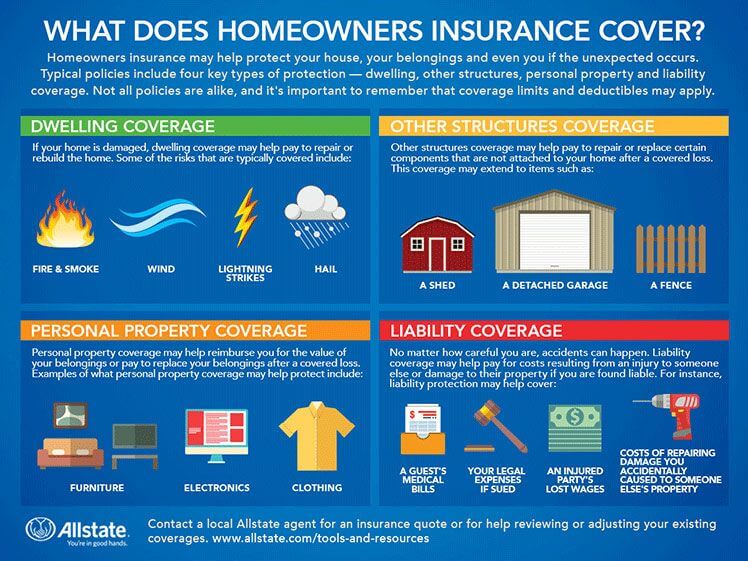
When homeowners insurance is bundled with other policies such as auto or umbrella insurance, it typically continues to cover the core risks associated with property damage and personal liability.
The bundling itself does not expand or reduce the standard perils included in the homeowners policy but often enhances value through discounts and broader coordination of coverage. Standard risks covered include damage from fire, lightning strikes, windstorms, hail, and explosions.
It also extends to vandalism, theft, and damage caused by the weight of ice, snow, or sleet. Additionally, homeowners insurance generally covers damage from falling objects and accidental discharge from plumbing, heating, or air conditioning systems.
- Fire and smoke damage to the structure and personal belongings
- Wind and hail damage to roofs, windows, and exterior structures
- Liability protection if someone is injured on your property
How Bundling Affects Coverage Gaps and Add-On Protections
Bundling homeowners insurance with other policies does not automatically fill coverage gaps, but insurers may offer incentives to add endorsements or higher coverage limits when policies are combined.
For example, some insurers encourage the addition of water backup coverage, equipment breakdown protection, or increased personal property limits as part of a bundled package.
While the base scope of risk protection remains unchanged, bundling can make optional coverages more affordable and easier to manage under a single provider. This increased accessibility to supplemental protections helps address risks not included in a standard policy, such as sump pump failure or sewer back-up.
- Discounts may be applied for adding water or sewer backup coverage
- Easier access to increased liability limits when paired with auto policies
- Potential inclusion of identity theft protection or home business endorsements
Liability and Additional Living Expenses in Bundled Policies
One of the consistent benefits of homeowners insurance, whether standalone or bundled, is the inclusion of personal liability and additional living expense (ALE) coverage. In the event of a covered loss that makes a home uninhabitable, ALE pays for temporary housing, meals, and other essential costs.
Personal liability coverage protects against legal and medical expenses if someone is injured on your property and you are found responsible. When bundled with other insurance products, these protections remain intact and may be supported by a unified claims process, leading to faster service and consistent policy management across multiple types of coverage.
- Covers hotel stays and restaurant meals during home repairs after a fire
- Pays legal fees if you are sued for an accident occurring on your property
- Provides consistent support across claims involving both home and auto incidents
Frequently Asked Questions
What are the potential risks of bundling home insurance with other insurance products?
Bundling home insurance with other products like auto or life insurance may lead to reduced flexibility and higher long-term costs. While discounts are often offered initially, rates can increase over time. Additionally, if one insurer performs poorly in claims handling, it could affect multiple policies. Customers may also find it harder to switch providers or customize coverage separately, limiting choices and potentially leaving gaps in protection across bundled policies.
Can bundling home insurance lead to inadequate coverage?
Yes, bundling home insurance with other products may result in inadequate coverage if policies are standardized to fit the bundle. Insurers might offer generic packages that don’t address specific risks for your home or personal situation. This one-size-fits-all approach can leave you underinsured during a claim. It’s important to review each policy’s details carefully and ensure your home is fully protected according to its value, location, and unique needs.
Does bundling home and auto insurance always save money?
Not always. While bundling home and auto insurance often comes with a discount, it doesn’t guarantee the lowest overall cost. Shopping individual policies with different insurers may reveal cheaper or better-tailored options. Additionally, bundled prices can rise unexpectedly over time. Consumers should compare bundled quotes with standalone policies annually to ensure they’re still getting genuine savings and comprehensive coverage that meets their evolving needs.
What happens if I want to cancel one policy in a bundled insurance package?
Canceling one policy in a bundled insurance package may affect the discount on the remaining policies or trigger early termination fees. Insurers often apply the discount only when all policies are active, so removing one could increase the cost of others. It may also complicate the claims process or policy management. Always review the terms before canceling and consider the financial and coverage implications across the entire bundle.
Leave a Reply