
Travel Insurance For Flight Cancellations

Travel insurance for flight cancellations offers essential protection for travelers facing unexpected disruptions. Whether due to severe weather, airline strikes, or mechanical failures, canceled flights can lead to costly delays and logistical headaches. A comprehensive travel insurance policy can reimburse non-refundable expenses, cover rebooking fees, and even provide accommodations during delays.
Understanding the specifics of coverage—such as the difference between cancel for any reason and standard policies—is crucial for maximizing benefits. This article explores how travel insurance safeguards your journey, what to look for in a plan, and real-world scenarios where it makes a significant difference.
How Travel Insurance Protects You Against Flight Cancellations
Travel insurance is a crucial safeguard for any traveler, particularly when it comes to unexpected disruptions such as flight cancellations.
 Best RV Insurance For Cross-Country Travelers 2025
These cancellations can stem from various causes, including severe weather, mechanical issues, or airline bankruptcies, often leaving travelers stranded or facing unplanned expenses. A comprehensive travel insurance policy typically includes trip interruption or trip cancellation coverage, which reimburses non-refundable costs like flights, accommodations, and pre-booked tours when a journey is canceled or cut short.
In the case of flight cancellations, policyholders can file a claim to recover eligible expenses, provided the reason for cancellation is covered under the plan’s terms. Importantly, not all reasons for cancellation are automatically included — exclusions may apply for reasons such as voluntary cancellation without a covered cause or travel to high-risk destinations.
Therefore, understanding the specific covered reasons — such as illness, severe weather, or airline failure — is essential to maximizing the benefits of a travel insurance policy. Additionally, some premium plans offer 24/7 travel assistance services that can help rebook flights, arrange accommodations, and guide travelers through the claims process, adding an extra layer of support during stressful situations.
Common Reasons for Flight Cancellations Covered by Insurance
Most reputable travel insurance policies cover flight cancellations due to specific, unforeseen events explicitly outlined in the policy.
 Best Travel Insurance For Africa Safari
These typically include sudden illness or injury of the traveler or a traveling companion, death in the family, severe weather events that ground flights, natural disasters at the destination, terrorist attacks, and airline bankruptcy. Some plans also extend coverage to situations like jury duty or involuntary work overtime. It’s important to note that insurers require documentation — such as a doctor’s note, weather reports, or an official airline statement — to substantiate claims.
Travelers should carefully review their policy’s certificate of insurance to understand which scenarios are considered valid covered reasons, as general dissatisfaction or change of plans are not reimbursable. Choosing a plan with comprehensive covered reasons significantly increases the likelihood of a successful claim in the event of disruption.
How to File a Claim for a Canceled Flight
When a flight cancellation occurs, policyholders must act promptly to initiate the claims process. The first step is to contact the insurance provider or access the claims portal online, where they will find a claim form to complete.
Required documentation typically includes the original flight itinerary, proof of cancellation (such as an airline notification), receipts for non-refundable expenses, and any supporting evidence like medical records or police reports if applicable. Most insurers have a deadline — often within 90 to 180 days after the incident — to file a claim, so timeliness is crucial. After submitting all documents, the insurer will review the claim and may request additional information.
 Best Travel Insurance For Honeymoon Trips
A well-prepared and thoroughly documented claim greatly improves the chances of a swift reimbursement. Many policies also include travel assistance helplines that can guide travelers through the process, helping to avoid delays or omissions.
Comparing Travel Insurance Plans for Flight Coverage
Not all travel insurance plans offer the same level of protection against flight cancellations, so it’s vital to compare coverage details before purchasing.
Key factors to evaluate include the maximum reimbursement amount, deductible levels, covered reasons for cancellation, and whether the plan offers cancel for any reason (CFAR) coverage — a valuable but optional upgrade. CFAR allows travelers to cancel their trip for reasons not traditionally covered, though it usually reimburses only 50% to 75% of prepaid costs and must be purchased within a short window after the initial trip deposit.
Other features to compare include secondary versus primary coverage, worldwide vs. regional protection, and whether airline failure is included. To simplify evaluation, the following table outlines common features found in different types of travel insurance plans.
 Best Travel Insurance For Student Travelers 2025
| Feature | Basic Plan | Comprehensive Plan | Plan with CFAR |
|---|---|---|---|
| Covered Cancellation Reasons | Limited (e.g., illness, weather) | Extensive (e.g., job loss, quarantine) | Includes any reason with restrictions |
| Reimbursement Limit | Up to $2,000 | Up to $10,000 | Up to 75% of trip cost |
| Medical Coverage | $25,000 | $100,000+ | $100,000+ |
| Missed Connection Coverage | No | Yes | Yes |
| Airline Bankruptcy Protection | Rare | Often included | Usually included |
Comprehensive Guide to Travel Insurance for Flight Cancellations
What does travel insurance cover if your flight is canceled by the airline?

Reimbursement for Non-Refundable Travel Expenses
When an airline cancels your flight, travel insurance typically helps recover costs for non-refundable travel arrangements that you’ve already paid for.
This includes not only the flight ticket itself but also prepaid bookings such as hotel stays, car rentals, tours, or event tickets directly tied to the trip. Without insurance, travelers may lose significant amounts of money, especially if they booked months in advance. Most travel insurance policies require documentation proving the cancellation and the associated expenses.
- Reimbursement is usually subject to policy limits and may require proof of payment and the cancellation notice from the airline.
- Coverage often extends to pre-paid, non-refundable expenses made in conjunction with the flight, such as accommodations or attraction entries.
- Some policies offer full or partial refunds based on the reason for cancellation, though coverage is generally stronger when the cancellation is due to unforeseen events like weather or mechanical issues.
Accommodation and Meal Coverage During Delays
If your flight is canceled and you must wait for a rescheduled flight, travel insurance may cover the cost of unexpected accommodations and meals during the delay period.
This benefit activates after a certain waiting period, typically 3 to 12 hours, depending on the policy. It helps alleviate the financial stress of having to book last-minute hotels or pay for meals while stranded. Coverage limits vary, so it's important to review your plan's specific caps on lodging and food expenses.
- Eligible expenses usually require receipts and must be considered reasonable and necessary.
- Accommodations must typically be directly caused by the flight cancellation and not part of the original itinerary.
- Some high-tier policies offer higher daily limits for meals and lodging, particularly for international or long-haul travel disruptions.
Re-Booking and Transportation Assistance
Travel insurance often includes benefits that assist with re-booking your flight or arranging alternative transportation to your destination.
This may involve coordinating with airlines or third-party carriers to secure a new flight, train, or bus ticket. In certain cases, the insurance provider's assistance team actively manages the process, reducing the burden on travelers during stressful disruptions. This is especially valuable when cancellations happen in remote locations or during major travel disruptions like storms or strikes.
- Assistance services are typically available 24/7 and can help reroute travel plans efficiently.
- Coverage may reimburse the cost of new tickets for comparable transportation if the airline does not provide a timely alternative.
- Some policies coordinate directly with transport providers to minimize out-of-pocket expenses for the insured traveler.
What Does Travel Insurance Cover When an Airline Cancels Your Flight?
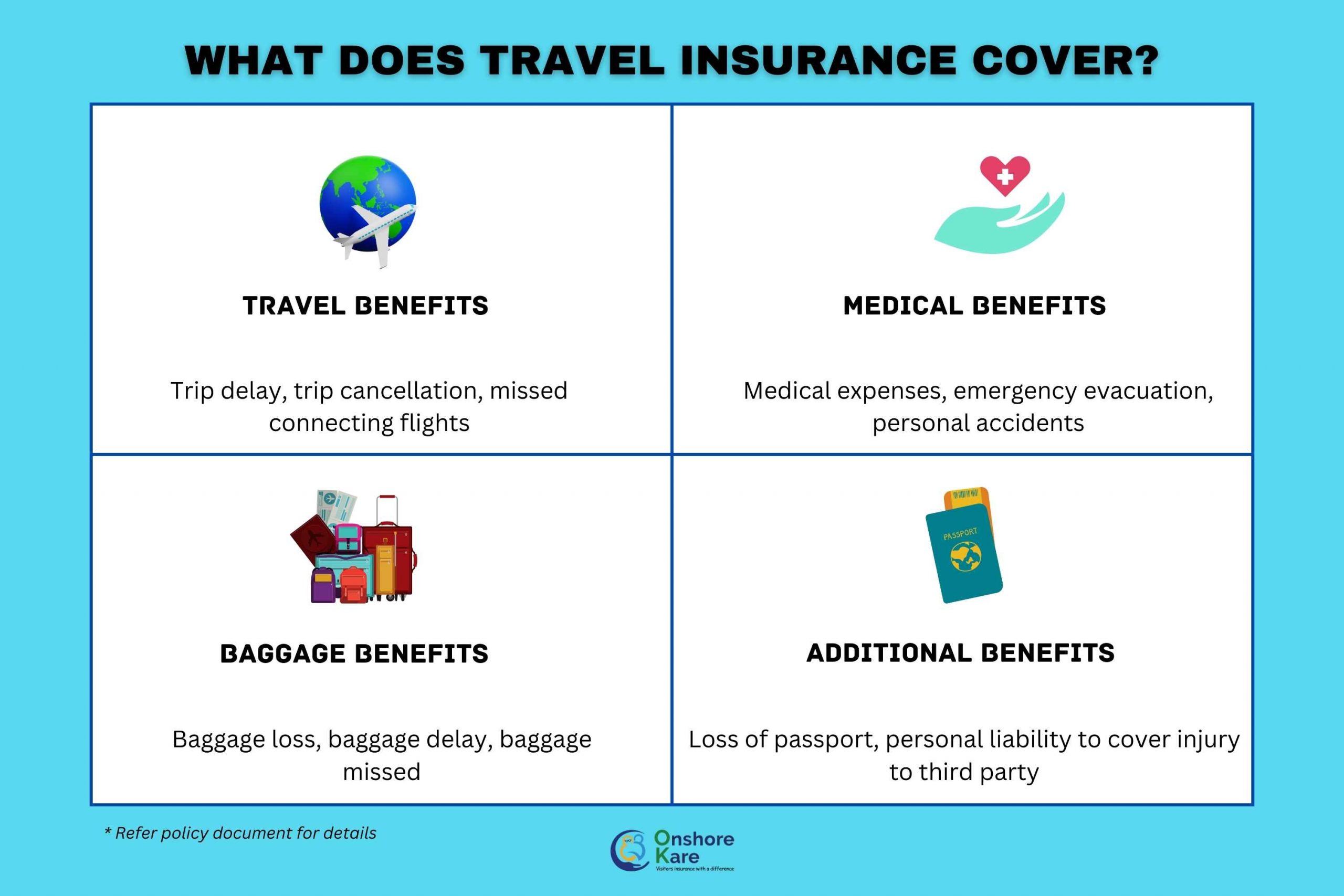
Reimbursement for Non-Refundable Trip Costs
When an airline cancels your flight, travel insurance may help cover the cost of non-refundable expenses you’ve already paid. This coverage typically applies if the cancellation is due to covered reasons such as airline insolvency, weather-related disruptions, or other unforeseen events specified in the policy.
- Travel insurance can reimburse expenses like pre-booked flights, hotel stays, tours, or event tickets that cannot be refunded through the airline or service providers.
- Reimbursement usually requires proof of payment and confirmation from the airline that the flight was officially canceled.
- It's important to keep all receipts and documentation to support your claim, as insurers will require this information when processing reimbursement requests.
Providing Coverage for Additional Travel Expenses
In the event of a flight cancellation, travel insurance may cover extra costs incurred while getting to your destination or returning home. These expenses can quickly add up, especially if you need to book a new flight at the last minute or stay overnight unexpectedly.
- Covered expenses often include rebooking fees, last-minute airfare, accommodation, meals, and transportation such as taxis or rental cars.
- Some policies set daily or total limits on these additional expenses, so knowing your coverage limits beforehand is essential.
- Always contact your travel insurance provider as soon as possible after the cancellation to understand what expenses are eligible and how to proceed.
Assistance with Trip Interruption or Delay
Travel insurance frequently includes benefits related to trip interruption or delay, which become relevant when an airline cancels your flight mid-journey or significantly delays your departure. These benefits aim to reduce the stress and financial impact caused by disrupted travel plans.
- If your outbound flight is canceled and you decide to cancel the entire trip, you may be eligible for trip interruption benefits under your policy.
- For delays exceeding a certain number of hours (often 3 to 6 hours), some policies provide per diem allowances or set amounts for every hour delayed.
- 24/7 travel assistance services offered by insurers can help rebook flights, arrange accommodations, and guide you through the claims process during the disruption.
Frequently Asked Questions
What does travel insurance cover for flight cancellations?
Travel insurance typically covers non-refundable expenses when a flight is canceled due to covered reasons like illness, severe weather, or airline bankruptcy.
Benefits may include reimbursement for the canceled flight, accommodations, and alternative transportation. Always review your policy’s terms to confirm what qualifies as a valid reason. Some plans also offer 24/7 assistance and trip interruption coverage to help manage rebooking and related costs during unexpected travel disruptions.
How do I file a claim for a canceled flight with travel insurance?
To file a claim, contact your insurer as soon as possible and submit required documentation, such as your policy number, flight itinerary, receipt of expenses, and proof of cancellation from the airline.
Complete the claim form provided by the insurer and follow their instructions carefully. Keep all original records. Processing times vary, but most companies aim to resolve claims within 10–15 business days. Respond promptly to requests to avoid delays in reimbursement.
Are there any reasons flight cancellations aren’t covered by insurance?
Yes, most travel insurance policies exclude flight cancellations due to foreseeable events, voluntary itinerary changes, or failure to meet policy requirements.
Common exclusions include strikes announced before purchase, war zones, and cancellations made for non-medical personal reasons. Always read the policy’s fine print. Pre-existing medical conditions may also be excluded unless you purchase a waiver. Knowing these limitations helps you understand when coverage applies and avoid claim denials.
Can I buy travel insurance after booking my flight to cover cancellations?
Yes, you can usually purchase travel insurance after booking your flight, but it’s best to buy it as early as possible—ideally within 10–15 days of your initial deposit.
Early purchase may qualify you for additional benefits like a pre-existing condition waiver or financial default coverage. However, coverage for cancellations still begins after the policy is active. Policies bought closer to departure may have restricted benefits or exclude certain events.
Leave a Reply