
What Are Special Perils In Insurance
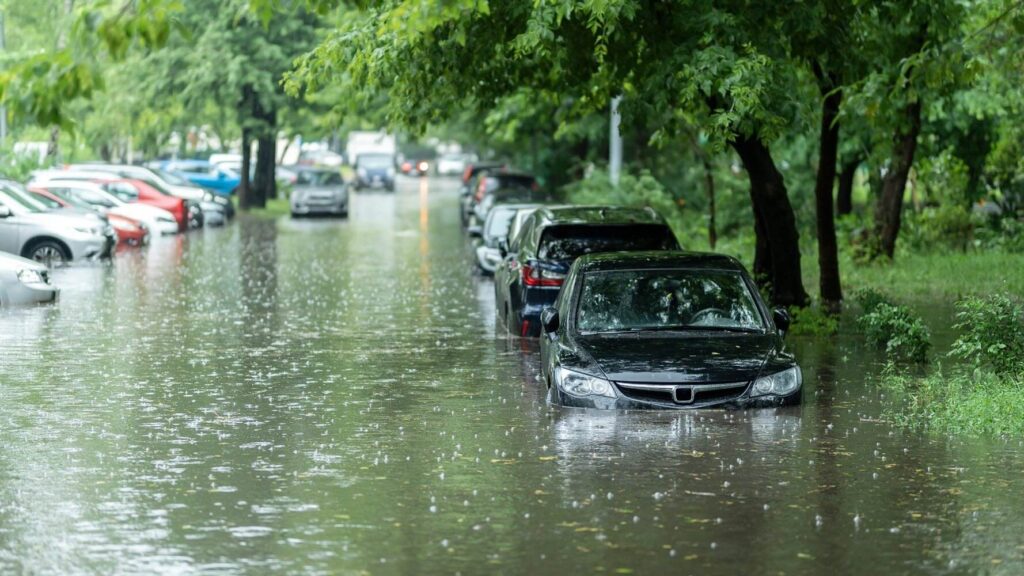
In the world of insurance, certain risks stand apart due to their unusual or catastrophic nature—these are known as special perils.
Unlike standard hazards covered under typical policies, special perils refer to sudden, unforeseen events such as earthquakes, floods, riots, or explosions that result in significant damage. Insurance providers often require specific endorsements or separate policies to cover these incidents, as they involve higher unpredictability and financial exposure.
Understanding what constitutes a special peril is crucial for policyholders seeking comprehensive protection. This article explores the definition, examples, and implications of special perils in insurance, helping individuals and businesses make informed decisions about their coverage needs in the face of uncommon but devastating risks.
 Does Home Insurance Cover Special Assessments
What Are Special Perils In Insurance?
In the field of insurance, special perils refer to specific types of risks or hazards that are explicitly listed and covered under an insurance policy, as opposed to being included under broad or general coverage terms. These perils are typically high-impact events that can cause significant damage or loss and are often subject to detailed assessment by insurers due to their potential for costly claims.
Unlike all-risk policies that cover any peril unless specifically excluded, special perils coverage involves a named listing of the events that are protected, such as earthquakes, floods, riots, or terrorism. These are generally not part of standard property or casualty insurance and require either an endorsement or a separate policy.
The inclusion of special perils in a policy affects the premium cost, underwriting criteria, and claims validation process, as insurers carefully evaluate the likelihood, historical data, and potential severity of such events in a given region. Understanding what constitutes a special peril is crucial for policyholders to ensure they are adequately protected against uncommon but devastating occurrences.
Common Examples of Special Perils Covered in Insurance Policies
Special perils covered in insurance policies often include natural and human-made disasters that are infrequent but can lead to substantial financial loss. These typically include earthquakes, floods, hurricanes, volcanic eruptions, explosions, aircraft crashes, and acts of terrorism.
 Does Homeowners Insurance Cover Special Assessments
Unlike common perils such as fire or theft, which are frequently included in standard policies, these events require specific endorsements or standalone policies due to their high-risk nature and geographic unpredictability. For instance, flood damage is excluded from most standard homeowners' policies and requires a separate flood insurance policy, often backed by government programs.
Similarly, earthquake coverage is usually an add-on due to the regional risk variation. Insurers analyze historical data and risk exposure to determine availability and cost, ensuring that only well-understood and financially manageable perils are classified as special and offered for coverage.
How Special Perils Differ from Basic and Broad Perils
Insurance policies categorize covered risks into basic, broad, and special perils, with each level providing increasing scope of protection. Basic perils include a limited set of common risks such as fire, lightning, and windstorm, typically listed explicitly and offering minimal coverage. Broad perils expand on this by adding additional named risks like theft, explosion, and falling objects, still relying on a named-peril approach.
In contrast, special perils represent the most comprehensive level within named coverage policies, encompassing nearly all risks unless specifically excluded — resembling an all-risk approach while maintaining a defined list. However, misinterpretation can occur: certain insurers use “special perils” to mean only those uniquely severe events rather than extensive coverage. Clarifying the insurer’s definition in the policy wording is essential to avoid coverage gaps, especially in property and commercial insurance contexts.
 Does Insurance Cover Special Assessments
The cost of insuring against special perils is determined by a detailed risk assessment process that considers geographic location, historical frequency of events, property characteristics, and mitigation measures.
For example, a building in a seismic zone will face higher premiums for earthquake coverage than one in a low-risk area. Insurers use actuarial data, catastrophe modeling, and climate projections to estimate potential losses and set appropriate rates. Reinsurance also plays a key role, allowing primary insurers to transfer part of the risk to stabilize their financial exposure.
Because special perils can lead to large-scale, simultaneous claims (such as during a hurricane), insurers must maintain sufficient capital reserves. Policyholders may reduce premiums by implementing protective features like flood barriers or reinforced structures, which demonstrate reduced risk exposure and can influence underwriting decisions favorably.
| Peril Type | Typical Coverage Status | Common Policy Requirement | Example Scenarios |
|---|---|---|---|
| Earthquake | Excluded from standard policies | Requires endorsement or separate policy | Ground shaking causing structural collapse |
| Flood | Not covered in standard property insurance | Flood-specific policy (e.g., NFIP) | River overflow after heavy rainfall |
| Terrorism | Limited coverage; often excluded | Special endorsement or federal program | Explosion at a commercial facility |
| Volcanic Eruption | Categorized as special peril | Included in some all-risk policies | Ash fall damaging crops and buildings |
| Hurricane/Windstorm | Varies by region; may require extra premium | Wind deductibles or separate clause | Storm surge and wind damage in coastal areas |
Frequently Asked Questions
What Are Special Perils in Insurance?
Special perils in insurance refer to specific, often high-risk events that are explicitly covered under certain policies. These typically include natural disasters like earthquakes, floods, or hurricanes, and may extend to man-made risks such as terrorism. Unlike broad perils, special perils are listed individually, and coverage only applies if the event is named. Policies may require additional endorsements or premiums for such protection.
 Does Pet Insurance Cover Special Diet
How Do Special Perils Differ from Basic Perils?
Basic perils cover common risks like fire, theft, or windstorms and are often included in standard policies. Special perils, in contrast, involve less frequent but more severe events like floods or earthquakes and are usually not included automatically. Special perils require explicit mention in the policy and often come with separate terms, exclusions, or higher premiums. Understanding the difference helps policyholders assess their coverage needs accurately and avoid unexpected claim denials.
Are Acts of Nature Always Covered as Special Perils?
Not all acts of nature are automatically covered as special perils. Events like hurricanes, floods, and earthquakes are typically excluded from standard policies. They’re only covered if specifically listed or added through endorsements. Insurance providers categorize these high-impact events separately due to their severity and potential cost. Policyholders must review their policy carefully and purchase additional coverage if they live in areas prone to such natural disasters to ensure full protection.
Do Special Perils Require Separate Insurance Policies?
Yes, special perils often require separate policies or endorsements because they are not included in standard insurance coverage. For example, flood or earthquake protection usually needs a standalone policy due to the high risk and potential for significant losses. Insurers isolate these perils to manage exposure and pricing. Obtaining separate coverage ensures financial protection against catastrophic events, making it essential for those in high-risk areas to evaluate and address these exposures proactively.
Leave a Reply