
Which Insurance Companies Offer Telematics Programs For Auto Insurance

Several insurance companies across the United States and beyond now offer telematics programs as part of their auto insurance policies, leveraging technology to personalize premiums based on actual driving behavior.
These programs use small devices or smartphone apps to track metrics such as speed, braking patterns, mileage, and time of day driven. Major insurers like Progressive, State Farm, Allstate, and Nationwide have led the industry with initiatives like Snapshot, Drive Safe & Save, Drivewise, and SmartRide, respectively.
Others, including Geico and Liberty Mutual, have introduced similar usage-based insurance options. These programs aim to reward safe drivers with potential discounts, promoting safer driving habits while enabling insurers to assess risk more accurately.
 Dairyland Auto Insurance Pay Online
Which Insurance Companies Offer Telematics Programs For Auto Insurance
Several major insurance providers in the United States and other countries have embraced the use of telematics technology to offer usage-based insurance (UBI) programs.
These programs rely on devices or mobile apps that track driving behavior—such as speed, braking habits, mileage, and time of day—to calculate personalized insurance premiums. Safe drivers who demonstrate responsible habits on the road may qualify for significant discounts, sometimes as high as 30% or more.
The most common form of telematics involves a small plug-in device that connects to the vehicle’s onboard diagnostic (OBD-II) port, although many insurers now offer app-based tracking as a more convenient alternative. These programs are designed to reward safe driving and provide insurers with more accurate risk assessment, moving away from generalized pricing models.
Major Insurance Providers with Telematics Programs
Many of the largest auto insurance companies in the U.S. offer telematics-based programs, making it easier than ever for drivers to benefit from personalized rates.
 Auto Insurance Explain Split Limits
Progressive pioneered the use of telematics with its Snapshot program, which can lower premiums based on safe driving habits such as avoiding hard braking and driving fewer miles. State Farm offers Drive Safe & Save, which uses either a mobile app or a plug-in device to monitor driving patterns.
Geico has its DriveEasy program, primarily app-based, which focuses on time of day, mileage, and phone usage while driving. Allstate's Drivewise and Liberty Mutual's RightTrack also use similar technology to assess driving behavior and offer discounts. These programs typically allow drivers to save anywhere from 10% to over 30%, depending on performance.
How Telematics Programs Work and Track Driving Behavior
Telematics programs use technology to collect real-time data about a driver’s behavior and vehicle usage. Most programs track metrics like acceleration, hard braking, cornering, mileage, and the times of day when driving occurs.
Some apps also monitor phone usage during trips to encourage safer driving by discouraging distractions. The data is transmitted to the insurer, which evaluates it to determine whether the driver qualifies for a discount.
 Auto Insurance Family Members
Typically, drivers receive a baseline discount just for enrolling, with additional savings based on performance over a set monitoring period (usually six months to a year). Participation is generally voluntary, and users can opt out at any time, though they may lose the associated discount.
Types of Telematics Devices and Technologies Used
Insurance companies use two primary types of telematics systems: plug-in devices and mobile apps. Plug-in devices connect to the vehicle’s OBD-II port, usually located beneath the dashboard, and directly collect engine and driving data.
These devices are more accurate and reliable since they’re always active when the car is on. Mobile apps, on the other hand, use the smartphone’s GPS, accelerometers, and other sensors to track driving behavior.
While more convenient since no hardware installation is needed, app-based systems may be less accurate and dependent on the driver carrying the phone during every trip. Some insurers, like Progressive and State Farm, offer a choice between the two, giving customers flexibility in how they participate.
| Insurance Company | Program Name | Technology Used | Potential Discount |
|---|---|---|---|
| Progressive | Snapshot | Plug-in device or mobile app | Up to 30% |
| State Farm | Drive Safe & Save | App or plug-in device | Up to 30% |
| Geico | DriveEasy | Mobile app only | Up to 20% |
| Allstate | Drivewise | App or plug-in device | Up to 40% |
| Liberty Mutual | RightTrack | Plug-in device or app | Up to 30% |
Insurance Companies Offering Telematics Programs for Auto Insurance
Does Progressive provide a telematics-based auto insurance program?

Yes, Progressive provides a telematics-based auto insurance program through its usage-based insurance initiative called Snapshot. This program uses a small device or a mobile app to monitor driving habits such as braking patterns, speed, time of day driven, and mileage.
Based on the collected data, Progressive adjusts premiums to reflect individual driving behavior, potentially offering discounts to safer drivers. Participation is voluntary, and drivers can choose to use either a plug-in device connected to the vehicle’s diagnostic port or a smartphone app that functions similarly without requiring additional hardware.
How Does the Snapshot Program Work?
- Progressive’s Snapshot program collects driving data using either a small plug-in device or the Snapshot mobile app, both of which record information such as mileage, times of driving, hard braking incidents, and acceleration patterns.
- The data is securely transmitted to Progressive, where it is analyzed to assess driving risk. Drivers are scored based on how they perform in these categories, with safer behaviors leading to better outcomes.
- After a qualifying period—typically six months—Progressive applies any earned discounts to the policy, and participants have the option to continue the program or discontinue it without penalty.
What Driving Behaviors Are Tracked in Snapshot?
- Hard braking events are one of the primary metrics monitored, as frequent or severe braking can indicate risky driving and is associated with a higher likelihood of accidents.
- Time of day is analyzed to determine whether driving occurs during higher-risk periods such as late at night, when accident rates statistically increase.
- Mileage is tracked because lower annual mileage typically correlates with reduced risk; drivers who spend less time on the road generally have fewer opportunities for collisions.
Benefits of Enrolling in Progressive’s Telematics Program
- Drivers who exhibit safe habits may receive significant premium discounts—some saving up to 40% depending on driving behavior and the state they reside in.
- The program offers personalized feedback, allowing drivers to understand how their actions impact their insurance rates and giving them opportunities to improve over time.
- Enrollment is flexible and non-punitive; poor driving habits do not result in penalties or rate increases during the monitoring period—only the potential for savings if driving is safe.
What are the drawbacks of using telematics in auto insurance programs?
Privacy Concerns
- One of the most significant drawbacks of using telematics in auto insurance programs is the perceived invasion of privacy. These systems continuously collect data on vehicle location, speed, acceleration, braking patterns, and even the time of day a vehicle is used. Many drivers are uncomfortable with the idea of insurance companies having access to such detailed personal information.
- The fear that this data could be shared with third parties—such as advertisers, law enforcement, or other government agencies—amplifies privacy concerns. Even if companies state they follow strict privacy policies, customers may remain skeptical about how securely the data is stored or whether it might be accessed in data breaches.
- Additionally, once data is collected, it can be challenging for users to understand what is being gathered, how it is analyzed, and whether it can be corrected if inaccuracies occur. The lack of transparency about data use and retention periods contributes to consumer distrust.
Driving Behavior Misinterpretation
- Telematics systems often rely solely on quantitative data to assess driving behavior, which can lead to misinterpretations. For example, sudden braking may be recorded as risky, but in reality, it could be a necessary response to avoid an accident or unexpected obstacle.
- Algorithms used to analyze driving patterns may not account for contextual factors such as weather conditions, road quality, traffic congestion, or emergencies. This lack of contextual awareness can result in unfairly penalizing safe drivers who encounter unpredictable situations.
- Moreover, driving habits that are safe in certain environments—such as frequent short trips or driving at night in less congested areas—might be flagged as negative behaviors depending on how the scoring model is designed, potentially increasing insurance premiums despite low overall risk.
Cost and Accessibility Issues
- Implementing telematics technology in vehicles may involve upfront costs that not all drivers can afford. While some insurance companies provide free plug-in devices, others require drivers to use smartphone apps with data usage, which may increase expenses for users on limited data plans.
- Older vehicles may lack the necessary compatibility with modern telematics systems, making participation in usage-based insurance programs difficult or impossible for some drivers. This creates a technological barrier that disproportionately affects lower-income individuals who may own older car models.
- There is also the ongoing concern about digital literacy. Not all drivers feel confident using mobile apps or understanding how the collected data affects their insurance rates. This lack of accessibility and understanding can limit the inclusivity of telematics-based programs and discourage broader participation.
Does Allstate offer a telematics program for auto insurance?
Yes, Allstate offers a telematics program for auto insurance known as Drivewise. This program allows drivers to monitor their driving habits through a mobile app or a small plug-in device connected to the vehicle’s diagnostic port.
Data such as speed, braking patterns, acceleration, time of day driven, and phone usage while driving are collected and analyzed. Based on this information, Allstate provides personalized feedback and may offer discounts on premiums for safe driving behavior. Participation is voluntary, and drivers can see how their actions impact their insurance costs in real time.
How Does the Allstate Drivewise Program Work?
- Enrollment in Drivewise is free and can be completed through the Allstate mobile app or by requesting a plug-in device sent directly to the policyholder. Once activated, the device or app begins recording driving data.
- The program tracks various driving behaviors including hard braking, rapid acceleration, mileage, and whether the vehicle is driven during high-risk hours (such as late at night). It also monitors phone usage, rewarding drivers who minimize distractions.
- Data is collected over time, typically assessed after the first few weeks, and used to calculate a personalized driving score. Drivers receive feedback through the app and may qualify for incremental discounts, with potential savings of up to 50% in some states after one policy period.
What Benefits Does Drivewise Offer Drivers?
- One of the primary benefits is the potential for significant insurance premium discounts based on actual driving performance rather than generalized risk pools. Safe driving habits are directly rewarded.
- The program provides real-time feedback and detailed driving reports, helping users become more aware of their habits behind the wheel and encouraging safer practices over time.
- There are no penalties for poor driving scores—drivers won’t see their rates increase solely due to Drivewise data. Additionally, participants can opt out at any time without financial penalty, maintaining control over their insurance experience.
Is Drivewise Available in All States?
- Drivewise is available in most U.S. states, but availability may vary depending on local insurance regulations and program rollout schedules. Policyholders should check directly with Allstate to confirm participation options in their specific location.
- Discount structures and eligibility criteria can differ by state due to regulatory requirements, meaning the maximum possible discount and how it's calculated might not be consistent nationwide.
- Allstate regularly updates its service offerings, so even if the program isn't currently available in a particular state, it may be introduced in the future. Interested drivers can sign up for updates or consult with their agent for the latest information.
Does USAA provide a telematics option for auto insurance?
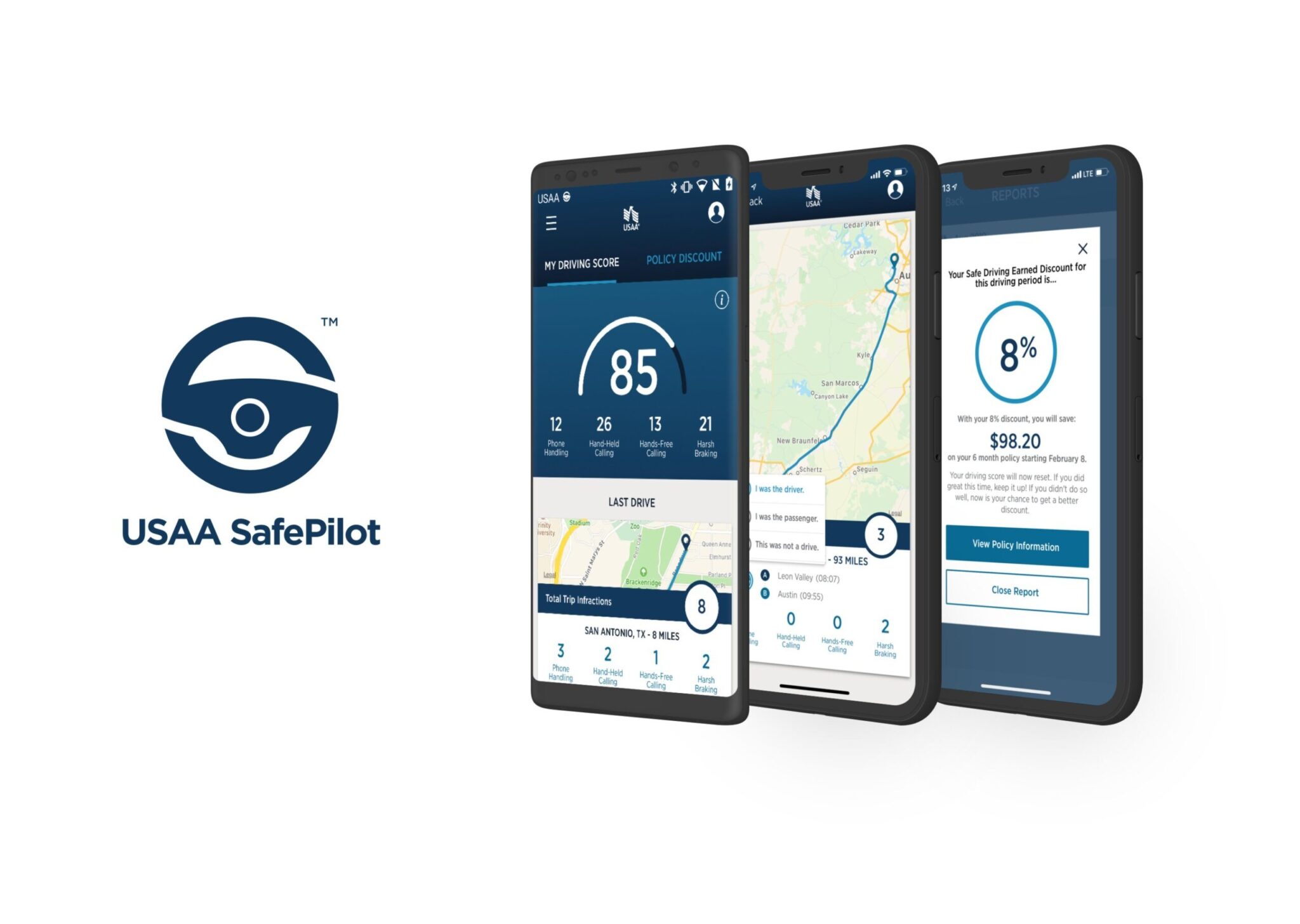
Yes, USAA does provide a telematics option for auto insurance through its usage-based insurance program called the Drive MyCar program. This program allows eligible members to use their driving behavior to potentially lower their auto insurance premiums.
Instead of traditional rating factors alone, USAA leverages real-time driving data collected through a mobile app to assess risk more accurately. Participation is voluntary, and drivers who demonstrate safe habits—such as avoiding hard braking, obeying speed limits, and minimizing distractions—can earn discounts on their policies. The app runs in the background of a smartphone and uses GPS and motion sensors to monitor trips, focusing on when, how, and where members drive.
How Does USAA's Drive MyCar Program Work?
- The Drive MyCar program uses a mobile app that members install on their smartphones; it does not require a separate plug-in device. The app activates automatically when a member begins driving and collects data such as acceleration, braking, cornering, speed, and time of day driven.
- Driving data is analyzed over a set evaluation period, typically nine months, to create a personalized driving score. This score directly influences the member's eligibility for discounts, which can be as high as 30% off their base premium.
- Participants receive periodic feedback through the app, including trip summaries and personalized safety tips. This transparency helps drivers understand their performance and adjust habits to improve their score over time.
Eligibility and Enrollment for the Drive MyCar Program
- To enroll in the Drive MyCar program, members must have a USAA auto insurance policy and be at least 16 years old. The program is available to both primary and secondary drivers listed on the policy, making it accessible for families.
- Enrollment is completed through the USAA mobile app or website, where users accept the terms, download the app, and begin data collection. The process is straightforward and can be completed in minutes.
- Once enrolled, members must complete a minimum number of qualifying miles during the evaluation period to earn a discount. USAA does not penalize members for unsafe driving; instead, they simply miss out on potential savings if their scores are low.
Privacy and Data Use in USAA's Telematics Program
- USAA emphasizes data privacy and assures members that the Drive MyCar app does not continuously track location. Instead, it records trip details only during active drives and deletes certain data after analysis to protect user privacy.
- The collected data is used solely for insurance rating purposes and is not shared with third parties for marketing or other unrelated uses. Members retain control over their participation and can opt out at any time without penalty.
- Security measures, including encryption and secure data storage, are employed to safeguard the driving information collected through the app. USAA is transparent about what data is collected and how it is used, providing detailed information in its privacy policy.
Frequently Asked Questions
Which major insurance companies offer telematics programs for auto insurance?
Many major insurers in the U.S. offer telematics programs, including Progressive, State Farm, Allstate, and Nationwide. Progressive’s Snapshot, State Farm’s Drive Safe & Save, Allstate’s Drivewise, and Nationwide’s SmartRide are popular examples. These programs use a mobile app or a plug-in device to monitor driving habits such as speed, braking, and mileage to determine potential discounts.
How do telematics programs from insurance companies work?
Telematics programs use technology like mobile apps or plug-in devices to track driving behavior, including acceleration, braking, mileage, and time of day driven. Insurers analyze this data to assess risk and offer personalized discounts. Safe driving habits often lead to lower premiums. Participation is typically voluntary, and drivers can usually opt out, though they may lose associated savings.
Can using a telematics program lower my auto insurance rates?
Yes, using a telematics program can lower your auto insurance rates if you demonstrate safe driving habits. Insurers reward behaviors like smooth braking, obeying speed limits, and driving less during peak hours. Discounts vary by company and driving performance, typically ranging from 5% to 30%. However, poor driving data may result in no discount, though rates usually won’t increase solely due to telematics participation.
Is my data safe with insurance telematics programs?
Insurance companies generally protect telematics data with encryption and privacy policies. Data is typically used only to calculate discounts and assess driving risk. Most insurers don’t share personal driving data with third parties without consent. However, drivers should review each company’s privacy policy. You can usually opt out of the program, after which data collection stops, though historical data may be retained per company policy.
Leave a Reply