
Auto Insurance For High Risk Drivers In Texas

Driving in Texas comes with significant responsibilities, especially for high-risk drivers who face increased scrutiny from insurance providers. Factors such as traffic violations, at-fault accidents, or prior lapses in coverage can make obtaining affordable auto insurance a challenge.
Despite these obstacles, state law mandates that all drivers carry liability coverage, leaving high-risk individuals with the need for specialized policies. Fortunately, various insurance companies in Texas offer tailored solutions designed to meet the unique needs of this group. These policies balance compliance with cost-efficiency, helping drivers stay protected while working to improve their records and reduce future premiums.
Auto Insurance for High Risk Drivers in Texas: Understanding Your Options
In Texas, being classified as a high risk driver can significantly impact your ability to obtain affordable auto insurance, but coverage is still accessible. High risk status typically results from factors like DUI convictions, repeated traffic violations, at-fault accidents, or driving without insurance.
 Smart home devices lower insurance rates
Texas law mandates all drivers carry liability coverage, so even individuals with a problematic driving record must secure a policy. Insurance providers assess risk based on driving history, age, location, and credit score, often resulting in higher premiums for high risk individuals.
However, several insurers specialize in high risk coverage, and state programs such as the Texas Automobile Insurance Plan Association (TAIPA) serve as a backup option for those who struggle to find insurance through standard channels. Understanding the reasons behind high risk classification and knowing where to shop for insurance can help drivers meet legal requirements while working toward improved rates over time.
What Qualifies a Driver as High Risk in Texas?
Drivers in Texas are labeled as high risk based on various factors that signal increased likelihood of accidents or claims.
Common reasons include having a history of DUI or DWI convictions, multiple traffic violations such as speeding tickets or reckless driving, being involved in at-fault accidents, or periods of driving without insurance. Insurance companies also consider low credit scores, license suspensions, or a lack of continuous coverage as red flags.
 Storm damage coverage standard home insurance
Teen drivers or those with limited driving experience may also be categorized as high risk due to inexperience. Each insurer uses its underwriting criteria, but these red flags generally lead to higher premiums. The label isn’t permanent—drivers can improve their standing over time by maintaining a clean record and completing state-approved defensive driving courses.
How High Risk Drivers Can Obtain Insurance in Texas
High risk drivers in Texas have multiple avenues to secure auto insurance despite their classification. Many private insurance companies, such as State Farm, Geico, and Allstate, offer non-standard policies tailored for high risk drivers, often labeled as “high risk auto insurance” or “non-standard coverage.”
These policies come with higher premiums but fulfill Texas’s minimum liability requirements. If traditional insurers deny coverage, drivers can turn to the Texas Automobile Insurance Plan Association (TAIPA), a state-mandated assigned risk pool that ensures all drivers can obtain insurance, regardless of their record.
While TAIPA policies tend to be more expensive and offer fewer customization options, they serve as a critical safety net. It's advisable to compare quotes from multiple insurers and take steps like enrolling in a defensive driving course to potentially lower future rates.
 Usaa home insurance eligibility
The cost of auto insurance for high risk drivers in Texas can vary widely based on several key factors. Primary influences include the severity of driving violations, such as a recent DUI, the number of accidents or tickets, geographic location, vehicle type, and chosen coverage levels.
Insurers also consider credit history, with lower scores often resulting in higher premiums. Despite elevated base rates, drivers can take proactive steps to reduce costs over time. Completing a state-approved defensive driving course can remove points from a driving record and qualify for insurance discounts.
Maintaining continuous coverage, driving safely, and increasing deductibles can also help lower premiums. Some insurers offer safe driver discounts after a clean period, and bundling auto insurance with other policies like home or renters insurance may lead to savings.
| Factor | Impact on Premiums | Potential Mitigation Strategy |
|---|---|---|
| DUI/DWI Conviction | Significant increase (often 50–100%+) | Complete alcohol education program; maintain clean record |
| Multiple Traffic Violations | Moderate to high increase | Take defensive driving course to remove points |
| Driving Without Insurance | High increase; possible license suspension | Secure continuous coverage; avoid gaps |
| At-Fault Accident | Moderate increase | Maintain safe driving record for 3–5 years |
| Low Credit Score | Higher premiums in most cases | Improve credit; pay bills on time; reduce debt |
Guide to Auto Insurance for High-Risk Drivers in Texas
What is the most affordable auto insurance option for high-risk drivers in Texas?
 When should adult child at home get own car insurance
The most affordable auto insurance option for high-risk drivers in Texas is typically the Basic Personal Injury Protection (Dollar-A-Day) plan offered through the Texas Automobile Insurance Plan Association (TAIPA), commonly known as the Texas assigned risk plan.
This plan is designed for drivers who cannot obtain coverage in the standard insurance market due to factors such as a poor driving record, multiple traffic violations, DUI convictions, or lapses in prior coverage.
While this plan meets the state’s minimum financial responsibility requirements, it generally offers limited coverage and may come with higher premiums than standard policies. However, because it is a last-resort option coordinated among insurers operating in Texas, it often becomes the most accessible and comparatively affordable solution for high-risk individuals.
Understanding the Texas Assigned Risk Plan (TAIPA)
- The Texas Automobile Insurance Plan Association (TAIPA) functions as a pool where high-risk drivers are assigned to participating insurance companies based on each company’s market share, ensuring that everyone can obtain at least minimum liability coverage.
- Drivers must first be denied coverage by at least two standard insurers before qualifying for the assigned risk plan, which acts as a safety net for those unable to secure a policy voluntarily.
- Although premiums in the TAIPA plan can be higher than standard rates, they often remain lower than repeated denials followed by short-term non-owner policies or SR-22 filings with private insurers specializing in high-risk coverage.
State-Mandated Minimum Coverage Options
- Texas law requires drivers to maintain at least 30/60/25 liability coverage (meaning $30,000 for injury/death per person, $60,000 per accident, and $25,000 for property damage), and this minimum level is the most affordable starting point for high-risk drivers.
- Some insurers offer Basic Personal Injury Protection (PIP), sometimes marketed as a one-dollar-a-day plan, which includes $10,000 in medical benefits and satisfies the state's requirements at a reduced cost for high-risk applicants.
- Opting for only the state minimum liability and basic PIP, without comprehensive or collision coverage, significantly lowers premiums, making it a common choice for budget-conscious high-risk drivers.
Discounts and Programs to Reduce High-Risk Premiums
- Defensive driving courses approved by the Texas Department of Insurance can lead to premium reductions of up to 10%, even for drivers with prior violations, and completing such a course may also help dismiss tickets that contribute to high-risk status.
- Insurers such as Dairyland, The General, and Nationwide offer high-risk policies with potential discounts for continuous coverage, electronic funds transfer payments, and bundling with non-owner or motorcycle policies.
- Low-income drivers may qualify for the Texas Low-Cost Automobile Insurance Program, which provides reduced premiums to eligible individuals in certain counties who meet income and vehicle value criteria, offering another pathway to affordable coverage despite a high-risk profile.
What are the top auto insurance options for high-risk drivers in Texas?
Top Insurance Companies for High-Risk Drivers in Texas
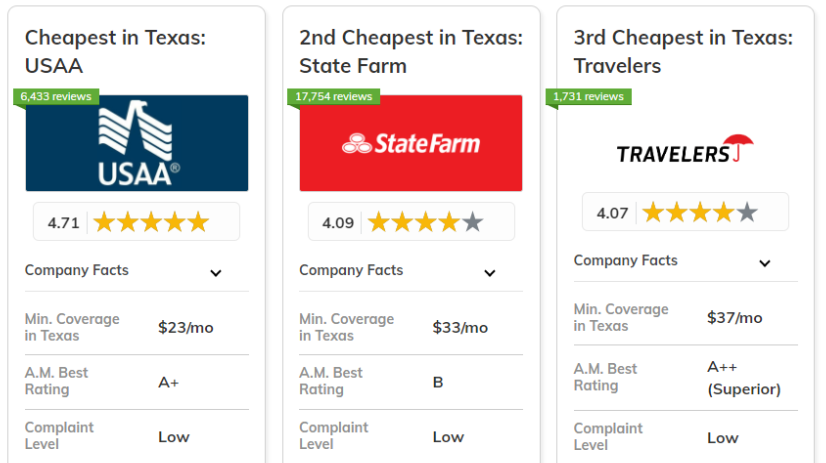
- State Farm is one of the most widely available insurers for high-risk drivers in Texas, offering flexible policies that consider individual circumstances such as past accidents or traffic violations. They use a personalized approach to risk assessment, often providing competitive rates even after a driver has had infractions.
- Progressive Insurance specializes in high-risk driver coverage and utilizes advanced data analytics to offer tailored quotes. Their Rate Compare tool allows drivers to see how their premiums stack up against competitors, and they provide multiple discount options such as safe driving and multi-policy bundling.
- Dairyland Insurance, a subsidiary of Sentry Insurance, focuses exclusively on non-standard auto insurance, making it ideal for drivers with poor credit, DUI convictions, or multiple at-fault accidents. They operate through local agents and provide state-minimum liability coverage as well as more comprehensive protection.
Factors That Qualify a Driver as High-Risk in Texas
- Being classified as a high-risk driver in Texas can result from serious traffic violations such as driving under the influence (DUI) or driving while intoxicated (DWI). These offenses lead insurers to view the individual as statistically more likely to file a claim, affecting eligibility and pricing across most standard carriers.
- Multiple at-fault accidents or a history of traffic tickets, including speeding and reckless driving, increase the perceived risk level. Insurers analyze Motor Vehicle Records (MVRs) and Comprehensive Loss Underwriting Exchange (CLUE) reports to determine risk levels before offering coverage.
- Poor credit history is another significant factor in Texas, where credit-based insurance scores are legally permitted to influence premium calculations. Drivers with low credit scores often face higher rates or limited options, pushing them toward non-standard insurance providers.
- Completing a state-approved defensive driving course can help dismiss tickets and reduce points on a driving record in Texas, which may lead to lower insurance premiums. Many insurers offer discounts for course completion, even for drivers previously classified as high-risk.
- Maintaining continuous insurance coverage without lapses demonstrates responsibility and can improve insurability over time. Some companies offer “continuous coverage” discounts, and a clean period of driving post-violation can eventually lead to reclassification as standard-risk.
- Opting for higher deductibles or reducing coverage to state-mandated minimums (30/60/25 for liability in Texas) can lower monthly premiums. However, drivers should carefully balance cost savings with adequate protection, particularly if assets are at risk in the event of a major accident.
What are the best options for high-risk drivers seeking auto insurance in Texas?
Understanding High-Risk Driver Status in Texas
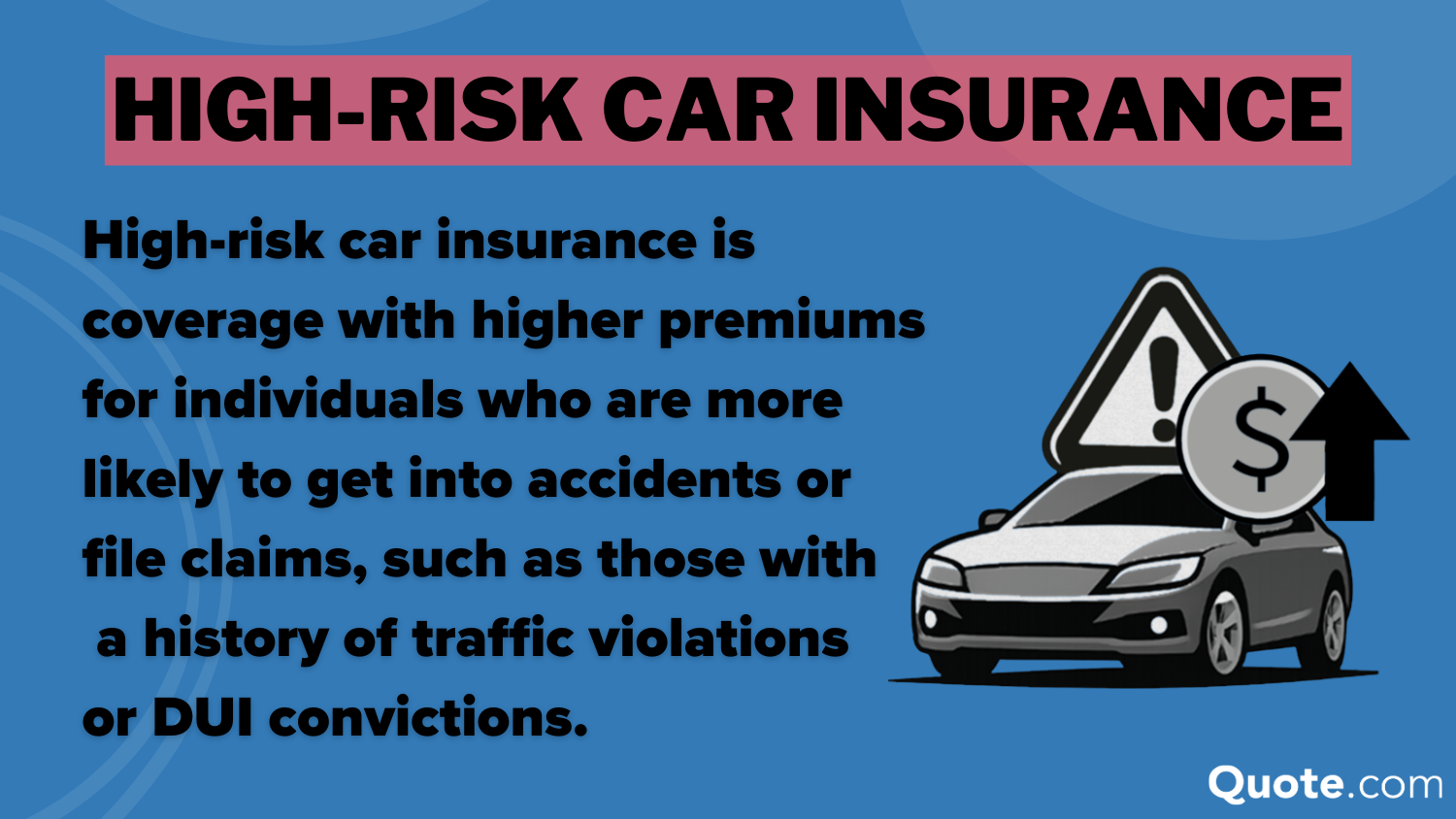
- In Texas, a driver is considered high-risk based on factors such as multiple traffic violations, DUI/DWI convictions, at-fault accidents, or having a suspended license. Insurance companies view these behaviors as indicators of increased likelihood of future claims, which leads to higher premiums or difficulty securing coverage.
- The Texas Department of Insurance (TDI) oversees auto insurance regulations and ensures that all drivers, including high-risk individuals, can obtain the state-mandated minimum liability coverage. Even with a poor driving record, drivers in Texas have legal access to insurance, although traditional companies may decline their applications.
- Understanding the reasons behind a high-risk designation helps drivers take steps to improve their status over time. For instance, completing a state-approved defensive driving course can remove points from a Texas driving record and potentially lower insurance rates.
Options for High-Risk Auto Insurance Providers in Texas
- Texas offers a unique solution for hard-to-place drivers through the Texas Automobile Insurance Plan Association (TAIPA), often referred to as the Texas assigned risk plan. If several insurers decline coverage, TAIPA assigns a company to provide the required minimum liability insurance, ensuring no legal driver is left without options.
- Several private insurance companies in Texas specialize in or accommodate high-risk drivers. Companies such as Dairyland Insurance, The General, Titan Insurance, and SafeAuto actively market to this demographic, offering full coverage or liability-only policies tailored to higher-risk profiles.
- Independent insurance agents can be valuable resources, as they represent multiple carriers and can compare offers from insurers that accept high-risk applicants. These agents often have access to non-standard insurance markets that may not be available through direct online quotes.
Steps High-Risk Drivers Can Take to Reduce Costs
- Maintaining continuous insurance coverage is one of the most effective ways to eventually reduce premiums. Lapses in coverage raise red flags for insurers, while consistent payment history demonstrates responsibility and helps rebuild trust over time.
- Drivers can take approved defensive driving courses through the Texas Education Agency or a certified provider. These courses not only help remove demerit points but are also sometimes recognized by insurers as a sign of improved driving habits, potentially leading to discounts.
- Comparison shopping is essential. High-risk drivers should request quotes from at least three different insurers, including both standard and non-standard carriers, to find the most affordable rate. Online comparison tools and independent agents can simplify this process.
Does Progressive offer auto insurance for high-risk drivers in Texas?
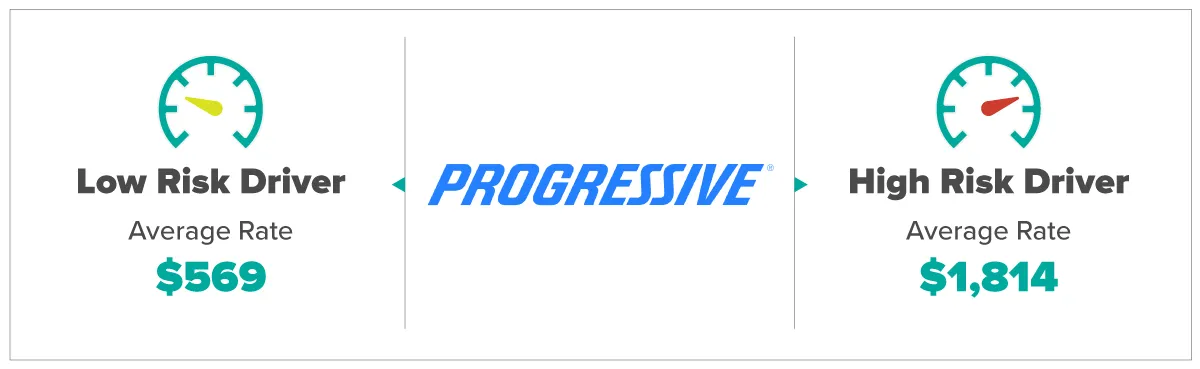
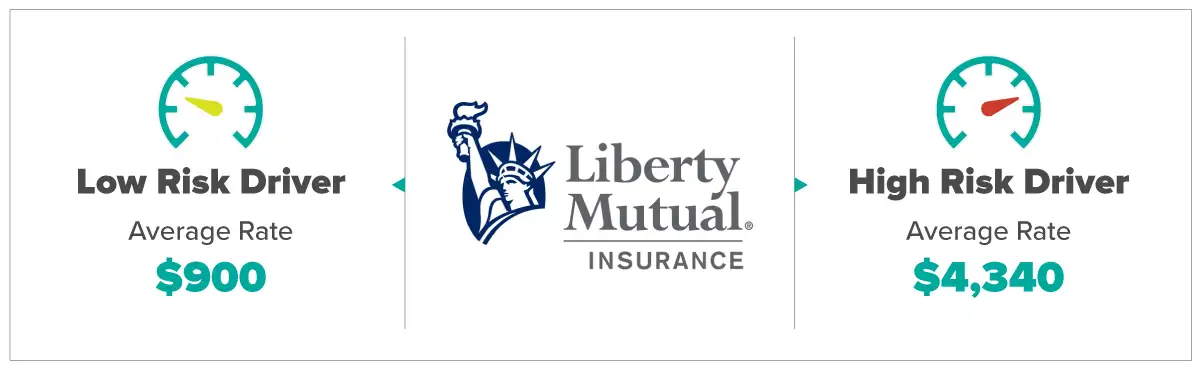
Yes, Progressive does offer auto insurance for high-risk drivers in Texas. The company is known for insuring drivers who may have difficulty obtaining coverage from other providers due to factors such as traffic violations, at-fault accidents, DUI convictions, or lapses in coverage. Progressive uses a broad risk assessment model that allows it to evaluate each applicant individually, which means even drivers with problematic records may qualify for a policy.
In Texas, where auto insurance is mandatory and pricing can vary significantly based on risk, Progressive provides multiple coverage options and discounts to help high-risk drivers find affordable plans. The insurer also offers tools like its Name Your Price tool, which helps customers determine potential rates based on their budget.
What Qualifies a Driver as High-Risk in Texas?
- In Texas, a driver is typically considered high-risk if they have a history of traffic violations such as speeding tickets, reckless driving, or running red lights, which indicate a pattern of unsafe driving behavior.
- Drivers who have been involved in at-fault accidents or multiple claims within a short period are also categorized as high-risk due to the increased statistical likelihood of future claims.
- Other factors that contribute to a high-risk classification include DUI or DWI convictions, driving without insurance, or having a suspended license, all of which signal higher liability to insurance providers.
How Progressive Assesses High-Risk Drivers in Texas
- Progressive evaluates high-risk drivers by analyzing their Motor Vehicle Record (MVR), claims history, credit-based insurance score (where legally allowed), and other personal factors such as age and location.
- The company employs a tiered underwriting system that places applicants into different risk categories, enabling it to offer coverage even to those with significant driving infractions but at adjusted premium rates.
- Progressive also considers mitigating factors such as completion of state-approved defensive driving courses, long-term driving experience, or continuous insurance coverage, which may help reduce premiums for high-risk applicants.
Discounts and Programs Available for High-Risk Drivers at Progressive
- Progressive offers a dozen or more discounts that may be available to high-risk drivers in Texas, including multi-policy, multi-car, and paid-in-full discounts that can lower overall costs.
- The insurer’s Snapshot program, a usage-based insurance option, allows drivers to earn personalized rate reductions based on actual driving behavior such as braking habits, time of day driving, and mileage.
- Drivers can also benefit from the Continuous Insurance discount, which rewards those who maintain uninterrupted coverage over time, helping rebuild trust and lower premiums gradually.
Frequently Asked Questions
What is high-risk auto insurance in Texas?
High-risk auto insurance in Texas is a coverage option for drivers considered more likely to file claims due to factors like DUI convictions, multiple accidents, or poor credit. Standard insurers may deny coverage, so these drivers turn to specialized providers.
Policies typically cost more but fulfill state-mandated liability requirements. The Texas Department of Insurance regulates options, including the Texas Automobile Insurance Plan Association (TAIPA), to ensure access to coverage.
High-risk drivers pay higher premiums because insurers view them as more likely to cause accidents or file claims. Factors like speeding tickets, at-fault accidents, or driving without insurance increase risk. Insurers use these to calculate premiums, resulting in higher costs.
In Texas, competition among insurers helps moderate prices, but rates remain elevated to reflect potential losses. Completing defensive driving courses and maintaining clean records over time can help reduce premiums eventually.
Can I get auto insurance with a suspended license in Texas?
Yes, you can still obtain high-risk auto insurance with a suspended license in Texas, but options are limited. Some insurers may require an SR-22 filing, which proves financial responsibility. This form is often required to reinstate a suspended license.
While coverage may be more expensive, it's essential for legal compliance and future eligibility for standard policies. Work with an agent who specializes in high-risk cases to find available options tailored to your situation.
How can I lower my high-risk auto insurance rates in Texas?
You can lower high-risk auto insurance rates in Texas by improving your driving record, completing defensive driving courses, and maintaining continuous coverage.
Raising your deductible and bundling policies may also help. Over time, safe driving reduces risk classification. Some insurers offer discounts for safety features or low annual mileage. Regularly shop around for better rates, as competition in Texas can lead to more affordable options for once-high-risk drivers who’ve improved their profiles.
Leave a Reply