
Does home insurance cover home improvements

Home improvements can enhance a property’s value, functionality, and appeal, but many homeowners wonder whether these upgrades are covered by standard home insurance policies.
While insurance typically protects against damage from perils like fire, theft, or storms, coverage for renovations or structural changes is not always guaranteed. The extent of coverage often depends on the type of improvement, policy terms, and whether the insurer was notified beforehand.
Some upgrades may even require adjustments to the policy or additional coverage. Understanding how home insurance responds to improvements is essential to avoid unexpected gaps in protection and ensure your investment remains secure.
 Who Are The Best Life Insurance Companies
Does Home Insurance Cover Home Improvements?
Homeowners insurance typically does not automatically cover home improvements unless the policy is updated to reflect the changes.
When you make upgrades—such as adding a new room, remodeling a kitchen, or installing high-end fixtures—the value and risk profile of your home increase. Standard policies are based on the original structure and value of your home, so failing to notify your insurer about improvements could result in underinsurance.
This means you might not receive enough compensation to repair or rebuild if a covered loss occurs. To ensure proper coverage, it’s essential to speak with your insurance provider before or during the renovation process and possibly increase your dwelling coverage limit or add specific endorsements.
When Home Improvements Are Covered by Insurance
Home improvements may be covered under certain conditions, especially if they are part of a covered loss and were properly reported to the insurer.
 Whole Life Dividend Paying Insurance
For instance, if a storm damages a recently renovated bathroom and the upgrades were previously declared, the insurance may cover the cost to repair or replace those improvements. Additionally, some policies offer endorsements like property replacement cost or guaranteed replacement cost that include upgraded materials or features.
However, this only applies if the homeowner has informed the insurance company about the improvements and adjusted the policy accordingly. Failure to document and report renovations means the insurer may only pay for the original condition of the home, not the enhanced value.
Common Exclusions for Home Improvement Coverage
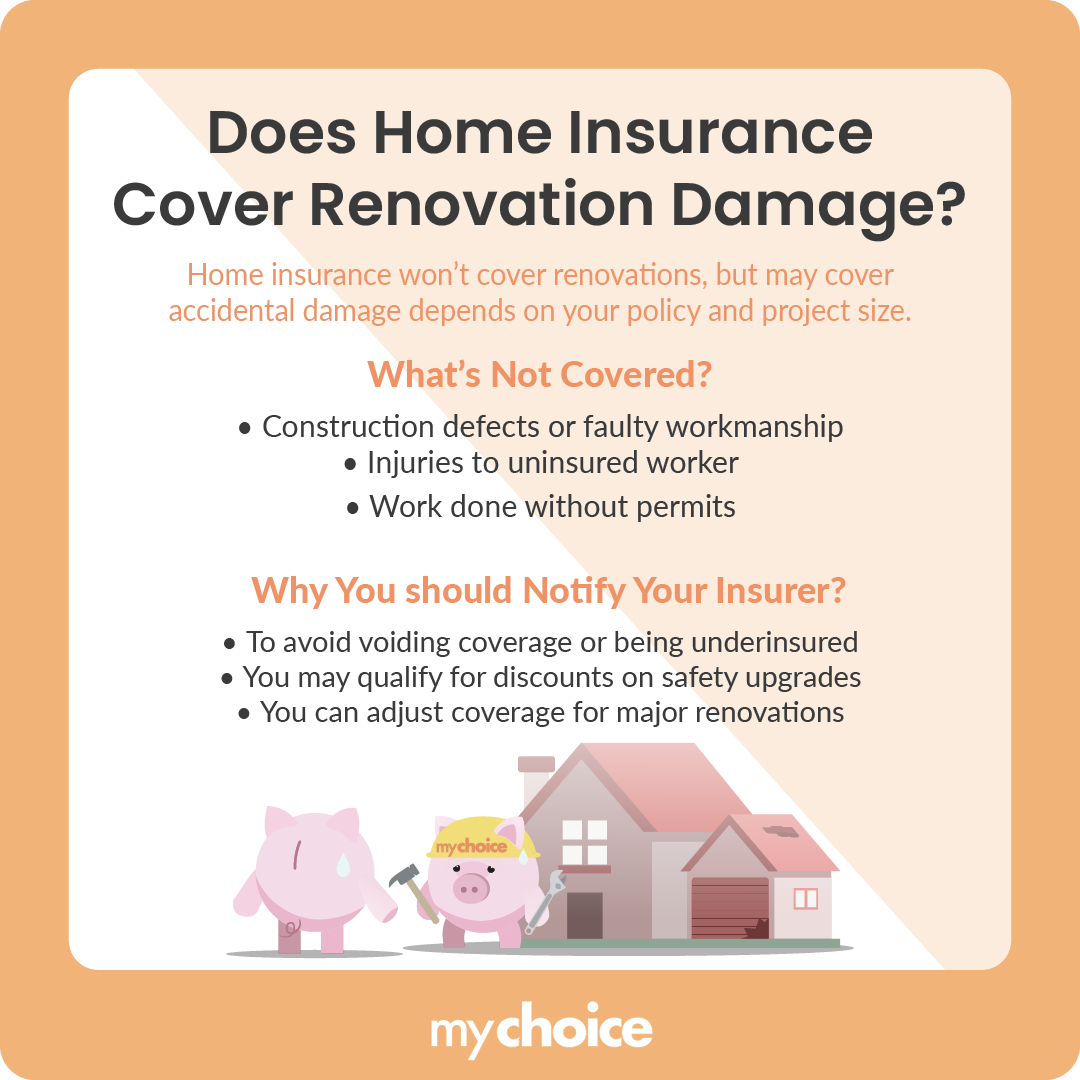
Most standard homeowners insurance policies exclude coverage for improvements that are under construction or not officially reported.
For example, if you're in the middle of building an addition and a fire occurs, the insurer might only pay for the original structure and not the partially built room. Other common exclusions include wear and tear, poor workmanship, and unpermitted renovations—if your city didn’t approve the permit, insurance companies may deny coverage for that portion of the home.
 1199 Life Insurance Phone Number
Additionally, certain high-risk upgrades like swimming pools or detached structures may require separate liability coverage or additional premiums. Understanding these limitations helps homeowners avoid unexpected financial burdens in the event of a claim.
How to Update Your Policy After Renovations
To ensure your home improvements are protected, you must proactively update your homeowners insurance policy. Start by providing your insurer with detailed documentation, such as receipts, contractor agreements, and photos of the completed work. Then, request a coverage review or appraisal to adjust your dwelling coverage amount.
This step is crucial because the cost to rebuild your home may have increased significantly due to higher square footage, upgraded materials, or enhanced systems. Some insurers may also require inspections or permits to verify compliance. Once updated, your policy will accurately reflect your home’s current value, providing adequate protection and peace of mind.
| Situation | Covered? | Notes |
|---|---|---|
| Permitted kitchen remodel reported to insurer | Yes | Covered under updated policy; includes high-end appliances if declared |
| Unpermitted bathroom renovation | No | May void coverage for that area; insurers often require building permits |
| New deck damaged during construction | Limited | Materials may be covered under personal property, but structure usually not protected until completed and reported |
| Home addition completed and insured | Yes | Must increase dwelling coverage; includes new square footage and materials |
| Swimming pool installed without liability rider | Partially | Structural damage may be covered, but injury claims likely excluded without additional liability coverage |
Does Home Insurance Cover Home Improvements? A Comprehensive Guide
Does homeowners insurance typically cover the cost of home improvements?

 Allstate Life Insurance Forms
No, homeowners insurance typically does not cover the cost of standard home improvements. Homeowners insurance is designed to protect against unexpected damages and losses, such as those caused by fires, storms, theft, or liability incidents. It is not intended to fund enhancements or upgrades that increase the value, comfort, or efficiency of your home.
Coverage usually applies only when repairs or replacements are necessary due to a covered peril, not when you're voluntarily remodeling or modernizing your property. If improvements are made following a covered loss—such as rebuilding a kitchen after a fire—the insurance may cover the cost to restore it to its pre-damage condition, but not to upgrade beyond that.
What Home Improvements Might Affect Insurance Coverage?
- Major structural upgrades like adding a new room, finishing a basement, or installing a swimming pool can increase the replacement cost of your home, which may require adjusting your policy limits. Insurers often need to be informed of such changes so they can reassess risk and update premiums accordingly.
- Electrical or plumbing system replacements, especially in older homes, may reduce risk and could lead to premium discounts. However, the cost of performing these upgrades is not covered by insurance unless they are part of a claim-related repair after a covered event.
- Kitchen or bathroom remodels that use high-end materials can increase the cost to rebuild your home. While the improvement itself isn’t covered, failing to report significant upgrades could result in underinsurance, meaning you might not receive enough money to replace your home fully if it’s damaged.
- If a covered event like a windstorm or fire damages part of your home, your insurance may pay to repair or replace it. In certain cases, building codes have changed since the original construction, requiring you to upgrade components (e.g., electrical panels or egress windows) even beyond the original state. Some policies include ordinance or law coverage that helps pay for these required improvements.
- After a claim, if you're required by local regulations to elevate, reinforce, or upgrade your home to current codes, your policy may include an endorsement that covers a portion of those additional improvement costs, depending on your coverage limits and policy terms.
- Replacement cost coverage may pay more than the original value of damaged items—for example, replacing old wood flooring with similar quality material—even if the new material costs slightly more. This isn’t considered an improvement per se, but it does ensure functional equivalence with modern materials.
How to Maintain Coverage After Home Improvements
- Notify your insurer before or immediately after completing major renovations. This ensures your policy accurately reflects your home’s current value and prevents potential claim denials due to misrepresentation or underinsurance.
- Request a policy review or reassessment of your dwelling coverage limit. This helps ensure that your insurance amount keeps pace with any increased rebuild costs resulting from additions or high-end upgrades.
- Document all improvements with receipts, photos, and contractor records. This evidence supports your claim in case of damage and helps confirm the home’s upgraded condition if you must file a future claim involving higher reconstruction costs.
What is the 30% renovation rule and how does it affect home insurance coverage for improvements?
What Is the 30% Renovation Rule in Home Insurance?
- The 30% renovation rule is a guideline used by many home insurance providers to determine whether home improvements significantly alter the risk profile of a property. If the cost of renovations exceeds 30% of the home’s pre-renovation market value, it may be considered a substantial change.
- This rule helps insurers evaluate whether the upgrade increases the replacement cost of the home, which directly influences the coverage required. For example, installing high-end finishes or expanding square footage can raise rebuilding costs significantly.
- When the 30% threshold is met or exceeded, policyholders are typically required to notify their insurance company. Failure to report such renovations could lead to coverage limitations or claim denials in the event of damage.
How Does the 30% Rule Affect Insurance Coverage After Renovations?
- Exceeding the 30% renovation threshold often triggers a requirement for policy reassessment. Insurers may adjust premiums based on the increased cost to rebuild the home, reflecting added structural features or upgraded materials.
- If a renovation adds value through enhancements like a new kitchen, additional bathrooms, or a second story, the dwelling coverage limit may no longer be sufficient to cover full replacement costs. An updated appraisal or reconstruction cost estimate might be necessary.
- Some insurance providers may request documentation, such as building permits or contractor invoices, to verify the scope and cost of the renovation. This ensures accurate valuation and prevents underinsurance at the time of a claim.
What Happens If You Don’t Report Renovations Near or Above 30%?
- Failing to inform your insurer about major renovations can result in underinsurance, where the payout after a covered loss may fall short of the actual cost to rebuild or repair. This gap could place a significant financial burden on the homeowner.
- If a claim is filed and the insurer discovers unreported renovations, they may adjust the claim payment based on the updated value of the property. In some cases, they might argue material misrepresentation and reduce or deny the claim altogether.
- To avoid complications, it’s essential to communicate with your insurer before beginning major upgrades. Even if the project hasn’t reached 30% yet, starting discussions early ensures coverage remains aligned with the evolving value of your home.
What home repairs are typically covered by homeowners insurance?
 Allstate Life Insurance Sale
Structural Damage from Covered Perils
Homeowners insurance typically covers repairs to the physical structure of the home when damage results from specific perils outlined in the policy. These perils often include sudden and accidental events rather than wear and tear or maintenance-related issues.
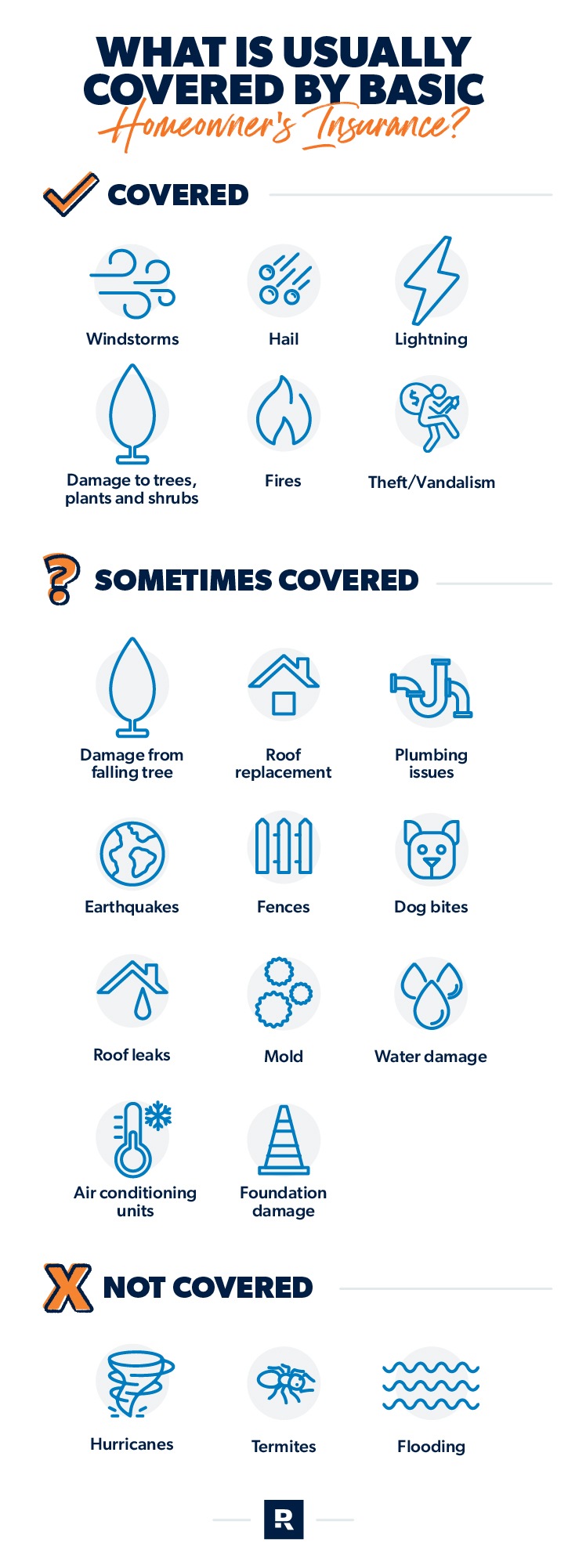
- Fire and smoke damage: If a fire damages the roof, walls, or other structural components, insurance will generally pay for repairs or rebuilding, up to the policy limits.
- Wind and hail damage: Roofs, siding, and windows damaged by severe weather such as hurricanes or hailstorms are commonly covered, provided the damage is sudden and not due to pre-existing conditions.
- Lightning strikes: A lightning-caused fire or electrical surge that damages structural elements or built-in systems like wiring or plumbing may be eligible for repair coverage.
Damage from Sudden Accidents and Events
Many homeowners policies include protection for unexpected events that cause significant damage to the home, especially those that are accidental and not the result of ignored maintenance.
- Water damage from plumbing disasters: If a pipe bursts suddenly or a washing machine supply line fails, resulting in water damage to floors or walls, repairs are typically covered. However, gradual leaks or poor maintenance are not included.
- Weight of ice, snow, or sleet: When excessive snow or ice accumulates on the roof and causes structural damage like a collapse or sagging, insurance often pays for repairs.
- Falling objects: If a tree falls on the house due to a storm and damages the roof or wall, repair costs are usually covered, including removal of the tree debris.
Coverage for Other Structures and Attached Systems
In addition to the main dwelling, homeowners insurance often extends to certain other structures and key home systems when they are damaged by covered incidents.
- Detached structures: Buildings such as garages, sheds, or fences that are damaged by fire, wind, or vandalism may be repaired under the other structures portion of the policy, typically up to 10% of the dwelling coverage limit.
- Electrical, plumbing, and HVAC systems: Damage to built-in systems caused by covered perils (like fire or lightning) is generally included, but issues arising from lack of maintenance or aging are excluded.
- Vandalism and theft-related damage: If vandals break windows, damage doors, or destroy internal fixtures, the cost to repair or replace these elements is often covered under the policy’s dwelling protection.
Frequently Asked Questions
Does standard home insurance cover home improvements?
Standard home insurance typically does not automatically cover major home improvements. Once renovations increase your home’s value or structural integrity, you must inform your insurer. Failure to update your policy may result in underinsurance. It's important to review and adjust your coverage limits to reflect the upgraded value of your home after any significant improvements.
Should I notify my insurance company about renovations?
Yes, you should always notify your insurance company about renovations, especially if they involve structural changes, electrical updates, or plumbing work. Failing to report improvements can lead to denied claims. Your insurer may need to reassess your property value and adjust your policy. Keeping them informed ensures you maintain adequate coverage and protects your investment during and after the renovation.
Yes, home improvements can affect your insurance premium. Upgrades like a new roof, renovated kitchen, or added security systems may increase your home’s value and rebuild cost, potentially raising premiums. However, some improvements, such as storm-resistant materials or updated electrical systems, might qualify for discounts by reducing risk, so always consult your insurer to understand the impact on your policy.
Are DIY home improvements covered by insurance?
DIY home improvements are generally not covered by standard home insurance, especially if unpermitted or improperly done. Insurers may deny claims related to damage from DIY work that doesn’t meet building codes. For proper coverage, improvements should be professionally completed and up to code. Always disclose renovations to your insurer, regardless of who performed them, to maintain accurate and effective coverage.
Leave a Reply