
High Risk Health Insurance In Texas

In Texas, obtaining affordable health insurance can be particularly challenging for individuals with pre-existing conditions or high-risk health profiles.
The state’s unique insurance marketplace does not fully participate in the federal Affordable Care Act’s high-risk pool programs, leaving many residents without accessible options. High-risk health insurance in Texas often comes with elevated premiums, limited coverage, or stringent eligibility requirements.
Despite these barriers, alternatives such as the Texas Comprehensive Health Insurance Plan or faith-based medical cost-sharing programs offer some relief. Understanding these options is crucial for uninsured or underinsured Texans seeking essential medical care and financial protection amid rising healthcare costs and complex regulatory landscapes.
 Great Rates Auto Insurance
Understanding High Risk Health Insurance in Texas
In Texas, high risk health insurance refers to coverage options designed for individuals who have pre-existing medical conditions or other health factors that make them more likely to require extensive medical care, thus posing a higher financial risk to insurers.
Before the Affordable Care Act (ACA), many Texans with chronic illnesses such as diabetes, cancer, or heart disease were often denied coverage or charged exorbitant premiums due to their health status. However, since the ACA’s implementation, all health insurance plans in Texas—including individual and small group markets—must offer coverage to anyone regardless of pre-existing conditions.
While there is no standalone high risk pool in Texas today like the former federal Pre-Existing Condition Insurance Plan (PCIP), individuals with significant health concerns can still access comprehensive coverage through the Health Insurance Marketplace, Medicaid, or employer-sponsored plans. The key for high-risk individuals is to carefully evaluate plan benefits, provider networks, prescription drug coverage, and out-of-pocket costs to ensure their specific medical needs are met.
Who Qualifies for High Risk Health Insurance in Texas?
In the current health care landscape in Texas, there is no formal distinction or separate enrollment process for “high risk” individuals seeking health insurance, thanks largely to the protections established by the Affordable Care Act. Regardless of medical history—including conditions like cancer, asthma, HIV/AIDS, or obesity—all applicants must be accepted for coverage on the same terms as any other applicant.
 Gto Auto Insurance And Multi Services
Insurers are prohibited from charging higher premiums based on health status or denying benefits due to pre-existing conditions. However, individuals with complex medical needs may benefit from enrolling in more comprehensive plans (such as Silver or Gold tier plans on the Marketplace), which typically offer lower out-of-pocket costs and broader networks.
Additionally, Texans with low income may qualify for Medicaid or CHIP (Children’s Health Insurance Program), providing vital support for high-risk populations who require ongoing treatment or specialized care.
Available Coverage Options for High-Risk Individuals in Texas
High-risk individuals in Texas have several pathways to obtain health coverage, even in the absence of a dedicated high-risk insurance pool. The most accessible option is through the Health Insurance Marketplace (HealthCare.gov), where Texans can compare and enroll in ACA-compliant plans during Open Enrollment or a Special Enrollment Period triggered by qualifying life events.
These plans cover essential health benefits, including hospitalization, prescription drugs, mental health services, and preventive care, and cannot exclude treatments related to pre-existing conditions. For low-income residents, Medicaid in Texas offers critical coverage, although eligibility remains limited compared to other states due to restrictive expansion policies.
 Guaranteed Auto Protection Insurance Market
Additionally, Medicare serves high-risk individuals over 65 or those with qualifying disabilities. People who don't qualify for subsidies or public programs may consider short-term health plans, though these often exclude pre-existing conditions and offer limited benefits, making them unsuitable for true high-risk needs.
Costs and Financial Assistance for High-Risk Patients in Texas
While health insurers in Texas cannot charge higher premiums based on health status, the overall cost of coverage can still be a concern for high-risk individuals who may need frequent medical services, specialist visits, and expensive medications.
Monthly premiums, deductibles, copayments, and coinsurance can add up quickly, especially if enrolled in a high-deductible plan with a narrow network. Fortunately, financial assistance is available through premium tax credits and cost-sharing reductions for eligible individuals who purchase plans on the Health Insurance Marketplace.
These subsidies are based on household income and can significantly reduce both monthly payments and out-of-pocket expenses. For example, a low-income individual managing diabetes or congestive heart failure could save thousands annually through a subsidized Silver plan with enhanced benefits. It's essential for high-risk patients to assess not just the premium, but the total expected cost of care when choosing a plan.
 Hartford Insurance Aarp Auto Insurance
| Insurance Option | Covers Pre-Existing Conditions? | Income-Based Subsidies Available? | Key Benefits for High-Risk Individuals |
|---|---|---|---|
| ACA Marketplace Plans | Yes | Yes | Essential health benefits, access to specialists, prescription drug coverage, and financial assistance for eligible enrollees. |
| Medicaid (Texas) | Yes | Yes (automatic if eligible) | Comprehensive coverage with minimal out-of-pocket costs; ideal for low-income, high-risk patients. |
| Medicare (Parts A, B, D, Advantage) | Yes | Limited (based on income) | Extensive coverage including hospital care, outpatient services, and prescription drugs; suitable for seniors and disabled individuals. |
| Short-Term Health Plans | No | No | Low premiums but exclusions for pre-existing conditions; not recommended for individuals with ongoing health needs. |
Comprehensive Guide to High Risk Health Insurance in Texas
What are the best options for high-risk individuals seeking health insurance in Texas?
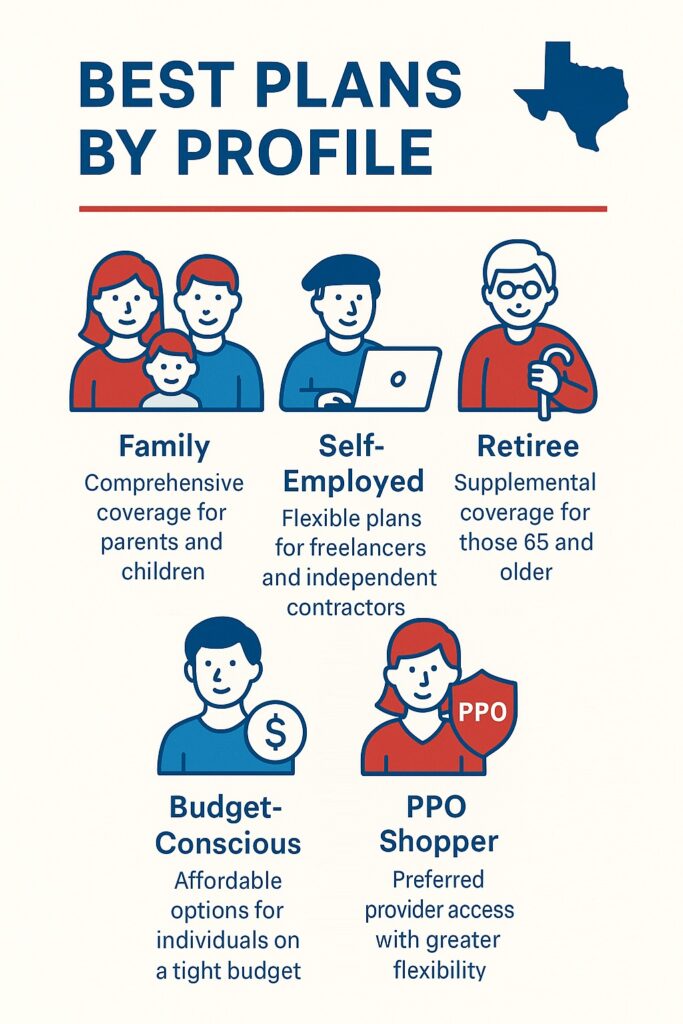
High-risk individuals in Texas—such as those with pre-existing conditions, chronic illnesses, or higher medical needs—often face challenges in securing affordable and comprehensive health insurance. However, several viable options are available that provide coverage despite health status.
The Affordable Care Act (ACA) prohibits insurers from denying coverage or charging higher premiums based on health condition, which has significantly improved access. Additionally, Texas offers state-specific programs, marketplace plans, and safety-net services tailored to assist high-risk populations. Below are some of the most effective pathways for obtaining reliable health coverage.
1. Affordable Care Act (ACA) Marketplace Plans
- The Health Insurance Marketplace, accessible via HealthCare.gov, allows Texas residents to compare and enroll in ACA-compliant plans during the annual Open Enrollment Period or a Special Enrollment Period if they qualify due to a life event such as losing other coverage, moving, or having a baby. These plans must cover essential health benefits and cannot exclude individuals due to pre-existing conditions.
- Subsidies in the form of premium tax credits and cost-sharing reductions are available to eligible individuals and families with incomes between 100% and 400% of the federal poverty level. These subsidies can significantly reduce monthly premiums and out-of-pocket costs, making coverage more affordable for high-risk applicants who depend on frequent medical care.
- Plans are categorized into metal tiers—Bronze, Silver, Gold, and Platinum—each offering different levels of cost-sharing. High-risk individuals may benefit most from Silver or Gold plans, which typically have higher premiums but lower deductibles and copayments, resulting in lower overall out-of-pocket spending when medical services are frequently used.
2. Medicaid and the Children’s Health Insurance Program (CHIP)
- Medicaid in Texas provides free or low-cost health coverage to eligible low-income individuals, including children, pregnant women, elderly adults, and some disabled individuals. While Texas has not expanded Medicaid under the ACA, qualifying groups—especially those meeting strict income thresholds—may still access comprehensive benefits, including hospitalization, doctor visits, and prescription drugs.
- Children’s Health Insurance Program (CHIP) offers affordable coverage for uninsured children under 19 in families that earn too much to qualify for Medicaid but still need financial assistance. CHIP includes routine check-ups, immunizations, emergency services, and dental and vision care, making it particularly valuable for high-risk children with ongoing medical needs.
- Although Medicaid expansion would extend coverage to more low-income adults, currently, childless adults without disabilities generally do not qualify regardless of income. However, individuals with disabilities may apply for Medicaid through the Supplemental Security Income (SSI) program or other disability-based pathways, which can be essential for high-risk populations with significant care requirements.
3. High-Risk Pools and Safety-Net Providers
- The federal Pre-Existing Condition Insurance Plan (PCIP) no longer exists, as it was rendered obsolete by the ACA’s protections. However, for individuals who may fall through the cracks, Texas maintains a network of safety-net providers, including public hospitals, community health centers, and local clinics that offer reduced-cost or sliding-scale fee services based on income and ability to pay.
- Some non-profit organizations and charitable medical programs in Texas, such as the Foundation for Health Care Coverage Education or local health districts, assist high-risk individuals in navigating enrollment, understanding insurance options, and accessing free or subsidized care when insurance is unaffordable or unavailable.
- Disproportionate Share Hospital (DSH) programs and county-based indigent care programs in major metropolitan areas like Harris County, Dallas, and Travis County provide essential medical services to uninsured, high-risk residents who meet income guidelines. These services help prevent medical crises and reduce reliance on emergency rooms for primary care needs.
What are the top private health insurance options in Texas for high-risk individuals?
.png)
 Auto Insurance Glass Deductible
Top Private Health Insurance Providers for High-Risk Individuals in Texas
- UnitedHealthcare is one of the most extensive private insurers in Texas, offering a range of plans tailored to high-risk individuals, including those with pre-existing conditions. They provide access to large provider networks and specialized chronic disease management programs, making it easier for enrollees to receive coordinated care.
- Blue Cross Blue Shield of Texas (BCBSTX) is another leading option, with comprehensive coverage plans that comply with Affordable Care Act (ACA) standards. They offer guaranteed issue policies, meaning individuals cannot be denied coverage based on health status, and they support various wellness initiatives for managing high-risk conditions.
- Aetna, operating in Texas through Centene Corporation, provides flexible plans with robust prescription drug coverage and telehealth services. Their focus on preventive care and remote monitoring tools benefits individuals with complex medical needs who require ongoing support outside traditional clinical settings.
Special Enrollment and Guaranteed Issue Options
- Under the ACA, all private insurers in Texas must offer guaranteed issue health plans during the annual Open Enrollment Period or after qualifying life events, such as losing job-based coverage or moving to a new state. This provision ensures that high-risk individuals have access to coverage regardless of medical history.
- Some insurers offer Special Enrollment Periods (SEPs) for people diagnosed with serious conditions or undergoing major treatments. These SEPs allow individuals to apply for private insurance outside standard enrollment windows, often with minimal documentation required.
- Additionally, insurers like Oscar Health and Cigna provide simplified application processes with direct verification of chronic conditions, enabling faster enrollments for high-risk applicants who need urgent coverage for ongoing treatments or hospitalizations.
Supplemental and Layered Coverage Strategies
- Many high-risk individuals in Texas opt for supplemental insurance plans, such as critical illness or hospital indemnity insurance, offered by companies like Mutual of Omaha and Colonial Life. These plans provide cash benefits upon diagnosis or hospitalization, helping offset out-of-pocket expenses not fully covered by primary insurance.
- Layering comprehensive major medical plans with fixed-benefit supplemental policies creates a more resilient financial safety net. This strategy is particularly valuable for managing high deductibles and unexpected treatment costs associated with conditions like heart disease, cancer, or diabetes.
- Private insurers increasingly partner with Medicaid managed care organizations and community health programs to offer hybrid plans that integrate additional support services, including transportation to medical appointments, home health aides, and mental health counseling—key resources for high-risk populations.
What factors determine the cost of high-risk health insurance in Texas?
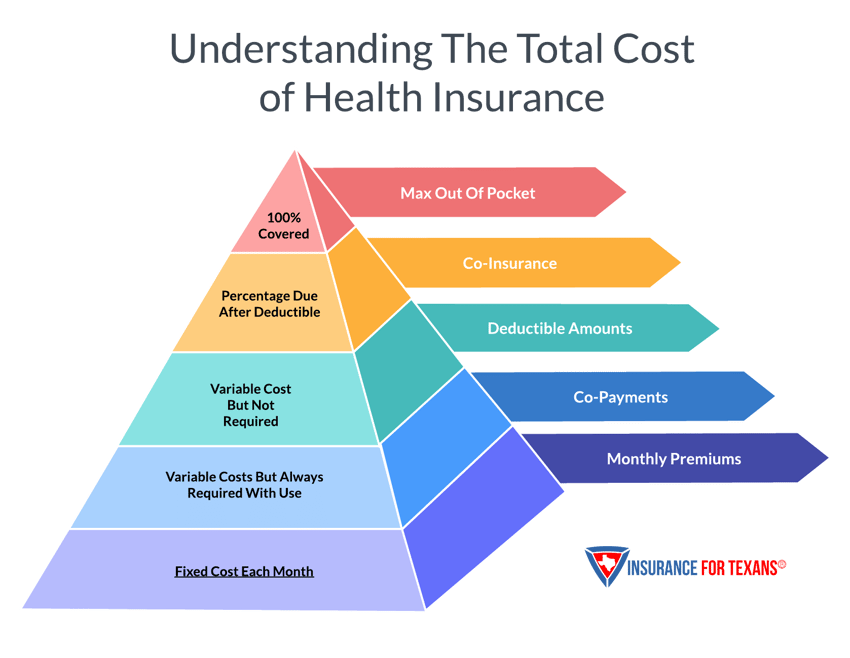
Age and Health Status
Age and overall health status are among the most significant determinants of high-risk health insurance costs in Texas. Insurance providers assess applicants based on their medical history, including pre-existing conditions such as diabetes, heart disease, or cancer, which increase the perceived risk and thus the premium.
Older individuals typically face higher premiums due to the increased likelihood of developing health complications. Additionally, individuals with a history of frequent medical treatments or hospitalizations are considered higher risk, leading to elevated costs. When underwriting high-risk policies, insurers use detailed health evaluations to project future medical expenses.
- Applicants with chronic illnesses are often charged higher premiums due to the anticipated need for ongoing medical care.
- Age directly correlates with rates, as older adults statistically require more healthcare services.
- The presence of multiple health conditions can lead to policy denial or significantly increased costs, depending on the insurer's risk tolerance.
Insurance Provider and Plan Type
The choice of insurance provider and the specific type of health plan selected strongly influence the cost of high-risk health insurance in Texas.
Different insurers use varying underwriting criteria and pricing models, leading to a wide range of quotes for similar coverage levels. Plans categorized as high-deductible, catastrophic, or limited benefit plans typically cost less per month but may leave the insured with higher out-of-pocket expenses when medical care is needed.
In some cases, state-regulated programs like the Texas Comprehensive Health Insurance Plan (before its closure) or private insurer offerings for high-risk pools may affect available options and rates. Competition among carriers and regional variations in network availability also contribute to price differences.
- Insurers specializing in high-risk applicants may offer tailored plans with higher premiums but broader coverage for pre-existing conditions.
- Catastrophic plans, while cheaper monthly, often have high deductibles and limited benefits, affecting long-term affordability.
- Provider networks vary, and access to specialists or major medical centers can influence both cost and care quality.
Geographic Location and Local Healthcare Costs
Where an individual resides within Texas plays a crucial role in determining high-risk health insurance premiums. Urban areas such as Houston, Dallas, or Austin often have higher medical service costs due to increased demand and facility expenses, which are passed on through insurance pricing.
Conversely, rural regions may have fewer healthcare providers and limited access to medical facilities, but this does not always translate into lower premiums due to reduced competition among insurers. Additionally, local regulations, hospital pricing structures, and the cost of living affect how insurers calculate regional risk. The density of healthcare infrastructure and average treatment costs in a given ZIP code can significantly influence policy pricing.
- Insurance premiums in metropolitan areas are generally higher due to elevated provider charges and greater utilization of services.
- Rural residents may face fewer plan options, which reduces market competition and can result in higher prices despite lower population density.
- Regional variation in disease prevalence, such as higher rates of diabetes or obesity in certain counties, can increase perceived risk and thus premium rates.
Frequently Asked Questions
What is high-risk health insurance in Texas?
High-risk health insurance in Texas refers to coverage options for individuals who have pre-existing medical conditions and may struggle to obtain traditional health insurance. These plans offer essential medical benefits to people denied coverage due to health reasons. While the federal Pre-Existing Condition Insurance Plan (PCIP) ended in 2014, the Affordable Care Act now ensures access to coverage regardless of health status.
Who qualifies for high-risk health insurance in Texas?
Individuals with pre-existing conditions who’ve been denied coverage by private insurers may have qualified in the past. However, since the Affordable Care Act’s implementation, insurers can no longer deny coverage or charge higher premiums due to health status. Now, all applicants in Texas are guaranteed access to health insurance through the Marketplace, regardless of medical history, making traditional high-risk pools largely obsolete.
Are there still high-risk pools available in Texas?
No, Texas does not currently operate a state-based high-risk insurance pool. The federal PCIP program ended in 2014 when the Affordable Care Act’s protections took full effect. Today, Texans with pre-existing conditions can enroll in standard health plans during open enrollment or special enrollment periods without being charged more or denied due to health status.
How can I get health insurance with a pre-existing condition in Texas?
You can enroll in a health insurance plan through the Health Insurance Marketplace, where pre-existing conditions cannot be used to deny coverage or increase premiums. During open enrollment or a qualifying life event, you can compare plans based on cost, coverage, and provider networks. Medicaid or CHIP may also be options if your income qualifies, ensuring accessible care regardless of health history.
Leave a Reply