
Laos Health Insurance

Health insurance in Laos remains a developing sector, shaped by a mix of public initiatives and limited private offerings. With a largely rural population and economic constraints, access to affordable healthcare is a challenge for many. The government has implemented the Health Equity Fund to support vulnerable groups, while social security schemes cater to formal sector employees.
However, coverage gaps persist, particularly among informal workers and remote communities. Private insurance is emerging but remains minimal and often unaffordable for most citizens. As Laos aims to achieve universal health coverage, efforts focus on expanding infrastructure, improving financing mechanisms, and increasing public awareness about health insurance benefits and enrollment.
Understanding Health Insurance in Laos
Healthcare in Laos remains underdeveloped compared to other countries in Southeast Asia, and access to medical services can be limited, especially in rural areas. As a result, health insurance in Laos is not as widespread or systematic as in more industrialized nations.
 Auto Insurance In Pakistan
The majority of the population, particularly those in remote regions, rely heavily on out-of-pocket payments for medical care, which can lead to financial hardship when serious illness occurs. The Lao government has made efforts to improve healthcare access through public health initiatives and the implementation of the Social Security Benefit Scheme, but coverage remains limited primarily to formal sector workers in urban centers.
For foreigners and expatriates, private health insurance is highly recommended, as public services often lack the infrastructure, equipment, and medical personnel needed to treat complex conditions. International health insurance plans offer broader coverage, including medical evacuation, which is crucial given the limited capabilities of local hospitals.
Public Health Insurance Initiatives in Laos
The Lao government runs several public health insurance programs, with the National Health Insurance Program (NHI) being the most prominent effort to expand access to affordable healthcare.
This program primarily targets low-income families, ethnic minorities, and vulnerable populations, helping them pay for essential medical services at designated public health facilities. While the NHI has made progress in increasing healthcare utilization, challenges such as insufficient funding, uneven implementation across provinces, and limited service coverage persist.
 Auto Insurance Mandate
Many beneficiaries still face out-of-pocket expenses for medicines and treatments not included in the benefits package. Moreover, awareness of the program remains low in remote areas, and enrollment rates are affected by logistical and educational barriers.
Private Health Insurance Options for Expatriates and Foreigners
For foreign residents, expatriates, and international workers in Laos, private health insurance is not only advisable but often necessary.
Local public hospitals and clinics may not meet international standards, and language barriers can hinder effective care. Private insurance plans from global providers offer comprehensive benefits such as inpatient and outpatient care, emergency treatment, maternity services, and medical repatriation.
These plans are tailored to the needs of expatriates and typically include access to regional medical centers in Thailand or Singapore for specialized care. Premiums vary based on age, coverage level, and pre-existing conditions, but investing in a reputable international health insurance policy ensures access to timely, high-quality medical services and peace of mind.
 Auto Insurance Photos
Challenges and the Future of Health Insurance in Laos
Despite gradual improvements, Laos faces significant challenges in expanding equitable and sustainable health insurance coverage.
Key issues include a limited healthcare budget, geographic disparities in service delivery, and a shortage of trained medical professionals. Rural communities often travel long distances to reach functioning clinics, and even then, essential medicines and diagnostic tools may be unavailable.
The integration of traditional medicine with modern healthcare practices is common but complicates standardization and regulation. Moving forward, strengthening the National Health Insurance Program, increasing government funding, and partnering with international organizations could help build a more inclusive system. Digital health solutions and mobile clinics may also play a vital role in reaching underserved populations.
| Aspect | Public Health Insurance | Private Health Insurance |
|---|---|---|
| Coverage | Limited to essential care; mostly for low-income and public sector workers | Comprehensive; includes emergency, specialist, and international care |
| Target Population | Local citizens, especially in rural and vulnerable groups | Expatriates, foreign workers, international students |
| Cost | Subsidized or low-cost; often with out-of-pocket expenses | Higher premiums; full coverage reduces personal financial risk |
| Access to Facilities | Local public clinics and hospitals with limited resources | Panels of international clinics and hospitals regionally |
| Medical Evacuation | Not included | Typically covered in expatriate plans |
Comprehensive Guide to Health Insurance in Laos
How does health insurance impact healthcare quality in Laos?
 Auto Insurance Quote Missouri
Access to Essential Medical Services
- Health insurance in Laos has gradually improved access to essential medical services, particularly for low-income and rural populations who previously faced financial barriers to care. With insurance coverage, individuals are more likely to visit health facilities for preventive check-ups, maternal care, and treatment of chronic conditions without the fear of high out-of-pocket expenses.
- The introduction of government-supported health equity funds and social health insurance schemes has enabled vulnerable groups, including children, the elderly, and ethnic minorities, to receive care at public health centers and hospitals at reduced or no cost. This expanded access helps reduce disparities in healthcare utilization across different socioeconomic groups.
- Despite these advances, challenges remain in remote areas where health infrastructure is underdeveloped. Even with insurance, some individuals cannot access timely care due to a lack of transportation or nearby medical facilities, indicating that insurance alone does not guarantee improved access without parallel investments in healthcare delivery systems.
Quality and Utilization of Healthcare Facilities
- Health insurance has led to increased utilization of public healthcare facilities as insured patients are more inclined to seek formal medical treatment rather than relying on traditional healers or self-medication. This higher demand has prompted some improvements in service delivery, staffing, and supply management in certain well-resourced hospitals and clinics.
- However, the rapid rise in patient volume has also strained already-limited healthcare resources, potentially affecting the quality of care. Overcrowded clinics and understaffed medical teams can result in shorter consultation times and reduced attention per patient, undermining the potential quality benefits of insurance expansion.
- Additionally, while insurance promotes formal healthcare utilization, the actual quality of care varies significantly between urban and rural facilities. Inadequate training, inconsistent medical supplies, and weak monitoring systems in rural areas mean that increased access does not always translate into better health outcomes.
Financial Protection and Patient Outcomes
- One of the most significant impacts of health insurance in Laos is the financial protection it offers to households. By reducing out-of-pocket expenditures for medical services, insurance helps prevent families from falling into poverty due to catastrophic health spending, especially in cases of serious illness or hospitalization.
- With greater financial security, insured individuals are more likely to complete prescribed treatments and follow-up visits, leading to better disease management and improved long-term health outcomes. This is particularly evident in conditions such as tuberculosis and diabetes, where continuity of care is crucial.
- However, gaps in coverage and limitations in the benefit package mean that some high-cost treatments and specialized services are still not fully covered. As a result, patients may still face significant expenses for medications, laboratory tests, or referrals to higher-level facilities, limiting the full protective effect of insurance on health quality.
What is the average monthly cost of health insurance in Laos?
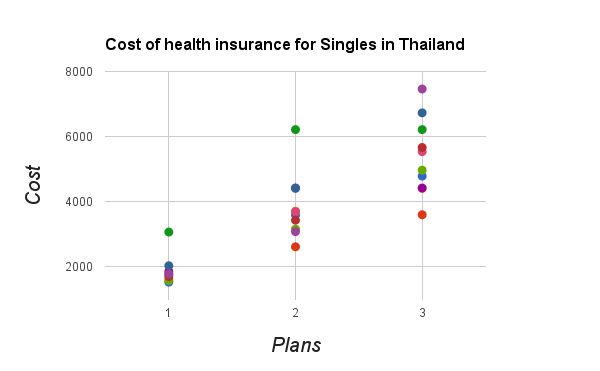
The average monthly cost of health insurance in Laos varies significantly depending on the type of coverage, provider, and whether the individual is a local resident or an expatriate.
For Laotian citizens, public health insurance through the government-run Social Security Organization (SSO) is available to formal sector employees, with monthly premiums averaging between $5 and $15 USD. These plans offer basic coverage and are heavily subsidized.
In contrast, private health insurance—commonly used by expatriates, foreign workers, and wealthier locals—can range from $100 to $300 per month or more, depending on age, coverage scope, and inclusion of international medical services. Many residents, particularly in rural areas, rely on out-of-pocket payments due to limited access to formal insurance schemes.
Factors Influencing Health Insurance Costs in Laos
- One of the primary factors affecting health insurance premiums in Laos is the distinction between public and private systems. Government-backed plans are significantly cheaper but often limited in coverage and availability, especially outside urban centers like Vientiane.
- Individual age and health status also impact costs, particularly for private policies. Older applicants or those with pre-existing conditions may face higher monthly fees or exclusions in their coverage.
- The scope of coverage plays a major role; policies that include access to private clinics in Laos or medical treatment abroad (common among expats) are substantially more expensive than basic local plans.
Availability of Public and Private Health Insurance Options
- The public health insurance system in Laos, managed by the SSO, mainly covers formal sector workers and their families. Enrollment remains limited, as a large portion of the workforce is in the informal sector and not eligible, leading to low participation rates.
- Private health insurance is primarily offered by international insurers such as Bupa, Cigna, and Pacific Cross. These providers cater to expatriates and affluent locals, offering comprehensive benefits, including evacuation and coverage in regional hospitals.
- In recent years, there has been a gradual increase in local private insurance offerings. However, these remain less common and are generally less comprehensive than international plans, restricting widespread adoption among the general population.
Healthcare Access and Affordability for Uninsured Individuals
- A significant portion of the Laotian population does not have health insurance and relies on out-of-pocket payments for medical care. This can be particularly burdensome, as even minor treatments in private clinics may cost several days' wages for the average worker.
- Public hospitals and clinics offer lower-cost services, but they often suffer from shortages of medical supplies, qualified staff, and modern equipment, especially in remote areas, pushing some patients toward private facilities despite higher costs.
- Non-governmental organizations and international aid programs play a crucial role in improving access to healthcare for low-income and uninsured populations, particularly in maternal health, infectious disease control, and rural outreach, helping to offset the lack of universal insurance coverage.
Which country offers fully government-funded healthcare, and how does Laos compare in terms of health insurance coverage?

Countries with Fully Government-Funded Healthcare
- The United Kingdom provides fully government-funded healthcare through the National Health Service (NHS), which covers all medically necessary treatments without direct charges to patients at the point of care. Funding is derived primarily from general taxation, ensuring universal access regardless of income or employment status.
- Canada offers publicly funded healthcare under the Canada Health Act, where each province administers its own system, but all must adhere to federal standards. While not entirely free at every level, core medical services like doctor visits and hospital stays are covered by the government without out-of-pocket payments.
- Sweden operates a decentralized, tax-funded healthcare system managed by regional authorities. It is considered fully government-funded, with patients paying only nominal fees for certain services, and the government covering the vast majority of health expenditures to ensure equitable access nationwide.
Laos’ Current Health Insurance Coverage Model
- Laos does not have a fully government-funded healthcare system. Instead, it operates a mixed model where public healthcare services exist, but access and quality are limited, especially in rural areas. Most funding comes from out-of-pocket payments, which represent a significant portion of total health expenditure.
- The government has been implementing a social health insurance scheme since the early 2010s, aiming to expand coverage to civil servants, formal sector workers, and eventually the informal sector and poor populations. However, enrollment remains limited, particularly among remote and vulnerable communities.
- External aid and donor funding play a crucial role in supporting health services in Laos. While the government allocates a portion of its budget to health, it is insufficient to cover comprehensive care. As a result, health insurance penetration is low, and many citizens face financial barriers when accessing medical treatment.
Key Differences Between Government-Funded Systems and Laos’ Approach
- In countries with fully government-funded healthcare, citizens generally receive services without upfront costs, whereas in Laos, a large share of the population must pay for services at the time of use, often leading to financial hardship and reduced access, especially for the poor.
- Systems like those in the UK or Sweden rely on robust tax revenues and centralized planning to ensure uniformity and sustainability, while Laos struggles with limited fiscal capacity, weak infrastructure, and unequal regional distribution of healthcare providers.
- While high-income nations with universal healthcare have nearly 100% population coverage, Laos’ health insurance schemes currently cover only a fraction of its people, particularly excluding those in rural and informal sectors. Expanding coverage remains a major challenge due to logistical, financial, and administrative constraints.
Frequently Asked Questions
What types of health insurance are available in Laos?
Laos offers both public and private health insurance options. The government provides basic healthcare coverage through the Civil Servant Medical Benefit Scheme and the Health Equity Fund for the poor. Private health insurance is available through local and international providers, offering broader coverage, especially for expatriates and those seeking access to better-equipped private hospitals or treatment abroad.
Is health insurance mandatory for foreigners in Laos?
While health insurance is not legally mandatory for foreigners in Laos, it is highly recommended. Most healthcare facilities require upfront payment, and public hospitals may lack advanced medical services. Having private health insurance ensures access to quality care, covers emergency medical evacuation, and provides financial protection against unexpected health issues during one’s stay in the country.
How much does health insurance typically cost in Laos?
Health insurance costs in Laos vary based on coverage, provider, and individual factors like age and health. For expatriates, comprehensive plans range from $500 to $2,000 annually. Local plans are more affordable but offer limited coverage. International plans covering regional or global treatment cost more. Always compare benefits, deductibles, and network hospitals before selecting a policy.
Can I use my international health insurance in Laos?
Yes, many international health insurance policies are valid in Laos, especially those with global or Southeast Asia coverage. These plans often include treatment in private clinics, emergency evacuation, and access to quality care. However, it’s essential to verify with your insurer if Laos is included in the coverage area and confirm direct billing arrangements with local medical providers.
Leave a Reply