
Auto Insurance Photos

When filing an auto insurance claim, documentation is crucial—and photos play a central role in the process. Auto insurance photos provide clear evidence of damage, help expedite claims, and support accurate assessments by insurers.
Whether from a minor fender bender or a major collision, well-taken images can make a significant difference in claim outcomes. Properly documenting your vehicle’s condition before and after an incident ensures transparency and can prevent disputes.
This guide explores best practices for capturing effective auto insurance photos, including angles, lighting, and timing, to help policyholders submit strong, credible claims and streamline the overall process.
 Does home insurance cover electrical fire
Understanding Auto Insurance Photos: What You Need to Know
Auto insurance photos play a critical role in the claims process, serving as visual evidence of damage, accident circumstances, and pre-existing conditions of a vehicle.
When filing a claim, insurers often require clear, well-documented photos to assess the extent of damage, determine fault, and process compensation accurately. These images help streamline the adjustment process, reduce fraudulent claims, and ensure a fair evaluation.
Whether documenting a minor fender bender or major collision, knowing what type of photos to take—and how to take them—can significantly impact the outcome of your claim. From exterior shots to interior conditions and close-ups of damage, each image provides valuable context for your insurer.
Why Are Auto Insurance Photos Important?
Auto insurance photos are essential because they provide objective evidence that supports your claim. Insurers rely on these visuals to verify the extent of damage, detect pre-existing issues, and assess whether repairs are necessary.
 Dwelling coverage for home insurance
Without clear photos, claims may be delayed or denied due to insufficient documentation. In disputes over fault or coverage, photographic evidence can be decisive in demonstrating how an accident occurred.
Additionally, photos taken at the scene—showing vehicle positions, traffic signs, and road conditions—help insurers understand the broader context of the incident. Therefore, taking comprehensive and timely photos increases the credibility of your claim and helps ensure a smoother, faster resolution.
What Types of Auto Insurance Photos Should You Take?
When involved in an accident or filing a claim, it’s important to capture several key types of photos. Begin with wide-angle shots of the entire scene, showing the positions of all vehicles involved, surrounding traffic signs, signals, and road markings.
Then, take close-up photos of all damaged areas on your vehicle, including dents, scratches, broken lights, or tire damage. Also, include images of the interior to document airbag deployment or dashboard warnings.
 Fast claims processing home insurance providers
Don’t forget to photograph license plates of all vehicles and obtain contact information. If your car has pre-existing damage, include prior photos if available to avoid misunderstandings. Comprehensive, organized images greatly enhance the accuracy of your insurance assessment and reduce potential disputes.
Best Practices for Taking High-Quality Insurance Photos
To ensure your auto insurance photos are effective, follow several best practices. First, use a high-resolution camera or smartphone and ensure your device is steady to avoid blurry images. Take photos in good lighting, preferably during daylight, and avoid using flash indoors to prevent glare.
Capture images from multiple angles, including front, rear, sides, and diagonals, to give a full view of damage. Make sure each photo clearly shows the specific area of damage without obstructions. Include a reference object, like a coin or pen, if possible, to indicate scale. Finally, save and organize your photos with timestamps and brief descriptions. Submitting high-quality, well-organized photos can expedite claims processing and strengthen your case.
| Photo Type | Purpose | Tips |
|---|---|---|
| Overall scene shots | Show vehicle positions, road conditions, traffic signs | Use panoramic view; include landmarks or signals |
| Close-ups of damage | Highlight scratches, dents, broken parts | Shoot from multiple angles; avoid shadows |
| Interior images | Capture airbag status, dashboard alerts, personal damage | Turn on lights; photograph all affected areas |
| License plates & documents | Identify other drivers and vehicles | Cross-reference with exchange info; blur partial data if sharing |
| Pre-existing condition photos | Prove damage existed before the incident | Store securely and date-stamp when taken |
Guide to Capturing Effective Auto Insurance Photos
What photos are required for auto insurance claims?
General Overview of Required Photos for Auto Insurance Claims
When filing an auto insurance claim, providing comprehensive photographs is essential to support your case and ensure a smooth processing experience. Insurance companies rely on visual evidence to assess the extent of damage, determine liability, and verify the circumstances surrounding the incident.
 Fort worth home insurance cost
Typically, you will need to capture clear, well-lit images from multiple angles and include specific details that illustrate both vehicle damage and the accident scene. These photos help claims adjusters evaluate your claim more accurately and reduce the likelihood of delays or disputes.
- Photographs should be taken as soon as it is safe to do so after the accident to ensure accuracy and completeness of evidence.
- Use a high-resolution camera or smartphone to capture sharp images that clearly show damage and relevant surroundings.
- Avoid editing or altering photos, as insurers require unmodified evidence to maintain credibility.
Key Areas of the Vehicle to Photograph
Insurance providers expect detailed images that cover all affected areas of the vehicle. It's important to document both major structural damage and minor cosmetic issues, as all contribute to the overall assessment. Start by photographing the entire vehicle from each side—at least four wide-angle shots—to establish context. Then, focus on specific damage points, ensuring that each dent, scratch, or broken part is visible. Close-up photos should clearly highlight the nature and location of the damage.
- Take front, rear, and side shots of the vehicle to show overall positioning and damage distribution.
- Capture close-ups of damaged panels, broken lights, shattered glass, or misaligned parts with enough detail to assess repair needs.
- Include images of the vehicle’s license plate to confirm identity and ownership in relation to the policy.
Documenting the Accident Scene and Surroundings
Beyond the vehicle itself, photos of the accident scene play a crucial role in supporting your claim. These images help insurers understand how the collision occurred and whether external factors contributed to the incident. Include shots that show road conditions, traffic signs, skid marks, weather, and any visible obstructions. If other vehicles were involved, photograph their positions, damage, and license plates—this helps establish context and supports liability determination.
- Take wide shots of the entire accident scene to show vehicle positions, road layout, and environmental conditions.
- Capture images of traffic signals, stop signs, road markings, or construction zones that may have influenced the accident.
- Photograph injuries, deployed airbags, or debris like broken parts or shattered glass scattered around the scene.
What auto insurance companies in North Carolina offer the lowest rates based on vehicle photo assessments?
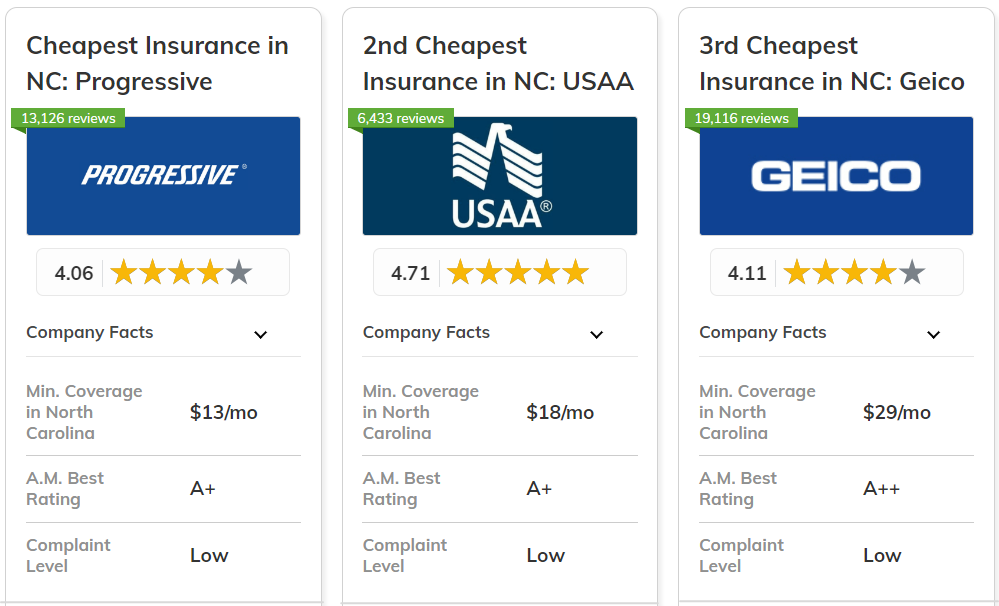
How Vehicle Photo Assessments Influence Auto Insurance Rates in North Carolina
- Vehicle photo assessments allow insurance companies to gather visual data about a car’s condition, which helps them evaluate risk more accurately. In North Carolina, insurers use these photos to check for existing damage, modifications, or wear that could impact claim likelihood.
- Photos are often submitted through mobile apps and analyzed using artificial intelligence to detect dents, scratches, or mileage discrepancies. This technology enables faster underwriting and can reduce the need for physical inspections, potentially lowering administrative costs for insurers.
- Insurers that leverage photo-based assessments may offer more personalized rate quotes. Drivers with well-maintained vehicles documented via photos might qualify for lower rates, as insurers perceive them as lower risk compared to cars with visible damage or aftermarket alterations.
Top North Carolina Insurers Utilizing Photo Assessments for Competitive Rates
- GEICO has integrated photo assessment tools into its mobile app, allowing customers to submit images of their vehicle for faster policy setup. While GEICO does not advertise rates solely based on photos, its efficient process often leads to competitive pricing, especially for drivers with clean records and undamaged vehicles.
- Liberty Mutual uses visual vehicle inspections through its app to adjust quotes based on a car’s actual condition. In North Carolina, this practice can result in lower premiums for vehicles showing minimal wear, as the insurer takes current condition into account during underwriting.
- Progressive offers its Snapshot program with optional photo submissions to assess vehicle history and condition. Drivers in North Carolina who provide clear photos of their car in good condition may be eligible for discounts, especially when combined with safe driving metrics.
Factors That Determine Low Rates Following a Photo Assessment
- The make, model, and year of the vehicle play a significant role in determining rates, and photo assessments help confirm these details accurately. Vehicles with strong safety ratings and low theft rates often qualify for lower premiums after visual verification.
- Absence of visible damage—such as dents, rust, or broken lights—can positively influence the quote. Insurance providers in North Carolina may reward owners who maintain their vehicles well by offering reduced rates confirmed through photo evidence.
- Proof of recent maintenance or upgrades, like new tires or updated safety features captured in photos, can also influence risk assessment. Some insurers consider these factors when calculating premiums, leading to more favorable rates for documented vehicle care.
Why Are Car Photos Required for Auto Insurance Verification?
Ensuring Accurate Vehicle Identification
- Car photos help insurance companies accurately identify the make, model, year, color, and unique features of a vehicle, reducing the chance of mix-ups with similar models or vehicles.
- Specific identifiers such as VIN location, body modifications, or aftermarket parts can be visually verified through photographs, ensuring the policy matches the actual car.
- In the event of a claim, having a photographic record confirms that the insured vehicle matches the description in the policy, which helps prevent identity fraud or misrepresentation.
Assessing Pre-Existing Damage
- Photos provide a clear record of the vehicle's condition before coverage begins, documenting any existing scratches, dents, or mechanical alterations.
- This documentation protects both the insurer and the policyholder by establishing a baseline, ensuring that pre-existing damage is not mistakenly claimed as new after an incident.
- During underwriting, insurers use these images to evaluate risk more precisely, especially if structural modifications or prior accident repairs are visible.
Streamlining Claims Processing
- When a claim is filed, insurers can quickly compare current damage with the initial photos to determine what is new versus pre-existing.
- Digital verification reduces the need for in-person inspections, making the claims process faster and more efficient, especially for remote or mobile customers.
- Photo verification supports fraud detection by highlighting inconsistencies between reported incidents and the vehicle’s documented condition.
What is the cost of photo inspection for auto insurance claims?
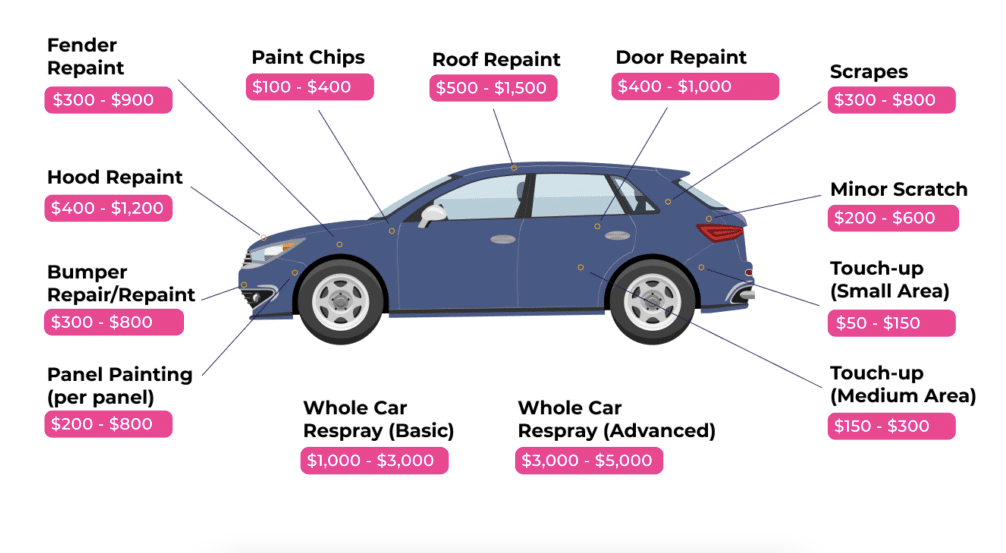
What Factors Influence the Cost of Photo Inspection for Auto Insurance Claims?
Several factors impact the overall cost associated with photo inspections in auto insurance claims. Insurance providers consider the complexity of the damage, the type of vehicle involved, and the geographic location of the claim. High-end or imported vehicles often require more detailed assessments due to costly or rare parts, potentially increasing inspection fees.
Additionally, if the damage suggests underlying structural issues or mechanical problems, insurers may require higher-resolution images or multiple angles, which can affect labor and processing time. Some providers also use third-party inspection services, and their pricing models can vary based on turnaround time and image verification standards.
- The vehicle’s make and model can influence the inspection process, especially for luxury or electric vehicles that require specialized knowledge.
- The extent of visible damage determines whether standard photo inspection is sufficient or if supplemental documentation is needed.
- Inspection service providers may charge differently based on digital verification protocols, image resolution requirements, and report generation.
Do Policyholders Pay for Photo Inspections During a Claim?
In most cases, policyholders are not directly charged for photo inspections when filing an auto insurance claim.
The inspection is typically part of the insurer’s claims evaluation process, and costs are absorbed by the insurance company as a standard operational expense. However, if a third-party service is used and the policy includes specific clauses related to assessment fees, there might be indirect costs, particularly in non-standard or high-value claims.
Some insurers may require photo inspections early in the claim process to streamline processing, reducing delays and overall administrative costs. It is important for drivers to review their policy documents to determine whether any fees related to documentation or verification could apply under certain conditions.
- Standard claims handled through the insurer’s internal systems usually include photo inspection at no additional cost to the policyholder.
- Third-party inspection platforms might be utilized in cases where remote assessments are needed, but the insurer generally covers these fees.
- Customers opting for expedited claim processing may encounter premium service tiers that include enhanced photo verification for a fee, depending on the provider.
How Does Photo Inspection Compare to In-Person Appraisals in Terms of Cost?
Photo inspections are generally more cost-effective for both insurers and customers compared to traditional in-person appraisals. In-person inspections require dispatching an adjuster to a physical location, which involves travel time, labor costs, and scheduling logistics, all of which increase expenses.
In contrast, photo inspections leverage digital submissions via mobile apps or email, reducing wait times and administrative overhead. This efficiency translates into faster claim settlements and lower operational costs for insurance providers.
As a result, many companies are shifting toward photo- and video-based assessments as a standard practice, particularly for minor to moderate damage claims, reserving in-person evaluations for complex cases involving structural damage or disputes.
- Digital photo inspections eliminate transportation and dispatch costs associated with sending an adjuster to inspect the vehicle in person.
- The reduced turnaround time in photo-based evaluations lowers labor expenditure, allowing claims to be processed more quickly and accurately.
- Insurers often use AI-powered tools to analyze submitted photos, further decreasing human intervention and associated costs.
Frequently Asked Questions
What photos are needed for auto insurance claims?
You typically need photos of all damaged areas of your vehicle, including close-ups and wider shots showing the overall context. Include images of license plates, visible VIN numbers, and any related property damage. If applicable, capture photos of the other driver’s vehicle, insurance documents, and the accident scene. These images help insurers assess damage accurately and process your claim efficiently.
Can I submit auto insurance photos with my phone?
Yes, most insurance companies accept photos taken with smartphones. Ensure the images are clear, well-lit, and in focus to clearly show damage and relevant details. Avoid blurry or low-resolution photos. Many insurers allow you to upload images directly through their app or website, making the claims process faster and more convenient than traditional methods.
When should I take photos after a car accident?
Take photos as soon as it’s safe to do so after an accident. Immediate documentation ensures accurate evidence of damage and scene conditions. Capture images before moving vehicles, especially if the scene changes. Timely photos support your claim by providing insurers with precise details about the incident, helping prevent disputes over fault or extent of damage.
Do I need to photograph the interior of my car for insurance?
Generally, interior photos are not required unless there’s visible damage or personal property was affected during the incident. Focus on exterior damage, license plates, VIN, and the accident scene. However, if items inside the car were damaged (e.g., electronics, child seats), take clear photos as proof for potential reimbursement, as per your policy terms.
Leave a Reply