
Do I Need Special Insurance To Deliver Pizza

Delivering pizza may seem like a simple side hustle, but it comes with risks that standard auto insurance often doesn’t cover.
Personal insurance policies typically exclude coverage for vehicles used for commercial purposes, which includes food delivery. Without the right protection, drivers could face significant out-of-pocket expenses in the event of an accident. Some insurers offer ride-sharing or delivery endorsements, while others require full commercial policies.
The specifics vary by provider and region, making it essential to review your current coverage and consult with your insurer. Understanding these requirements can prevent unexpected gaps in protection while earning on the road.
 How Much Does Special Event Insurance Cost
Do I Need Special Insurance To Deliver Pizza?
Yes, you generally need special insurance or at least an insurance adjustment when delivering pizza as a part-time or full-time job. Standard personal auto insurance policies are typically designed for personal use and often exclude coverage for commercial activities, such as food delivery.
If you use your vehicle to deliver pizzas, you’re engaging in a commercial activity that increases the risk of accidents due to higher mileage and frequent stops, which could lead your insurer to deny a claim if they discover the vehicle was being used for delivery without proper coverage.
Some delivery companies may provide commercial insurance or offer secondary coverage, but this may not fully protect you in all situations. Therefore, having the appropriate insurance—either through a rideshare/commercial add-on to your personal policy or a dedicated commercial auto policy—is crucial to ensure you're protected financially in case of an accident, vehicle damage, or liability claims.
Understanding Personal vs. Commercial Auto Insurance
Personal auto insurance is intended for daily commuting and non-commercial travel, and most policies explicitly exclude coverage when the vehicle is used for business purposes like pizza delivery.
 Best UK Broker Offering Specialist Insurance
Once you start making deliveries, your car’s usage changes from personal to commercial, increasing the risk profile in the eyes of insurers. If you're involved in an accident while delivering and only have personal insurance, your claim could be denied, leaving you responsible for repairs, medical bills, and legal expenses.
Commercial auto insurance, on the other hand, is specifically designed for vehicles used in business operations and provides broader coverage for the risks associated with repeated driving, carrying goods, and visiting multiple destinations. While more expensive than personal policies, commercial insurance ensures you're protected throughout your delivery shifts.
Does Your Employer Provide Insurance Coverage?
Many pizza delivery companies do offer some level of insurance coverage for their drivers, but it's essential to understand the extent and limitations.
Often, employers provide secondary insurance that only kicks in after your personal policy has been exhausted, which can leave gaps in protection if your personal policy denies the claim due to commercial use. In some cases, the company’s policy may cover you only during specific parts of the delivery process—such as when you’re carrying the pizza—not when you’re driving to pick it up or returning to the store.
 What Are Special Damages In Insurance
Always ask your employer for a copy of their insurance policy and discuss exactly what scenarios are covered. Never assume you're protected without verifying the details, as misunderstanding your coverage could have serious financial consequences.
If you're not ready to switch to a full commercial auto policy, some insurers offer endorsements or specialized policies tailored to gig economy drivers.
A common option is a rideshare endorsement, which extends your personal auto insurance to cover periods of commercial use, such as when you're actively delivering food. These endorsements typically offer three levels of coverage: when the app is off, when a delivery request is accepted, and during active transit.
While not all insurance companies in every state offer these policies, they provide a middle ground between personal and commercial insurance and are often more affordable than full commercial coverage. Be sure to inform your insurer that you’re a delivery driver so they can recommend the right plan and prevent claim denials later.
 What Are Special Perils In Insurance
| Type of Insurance | Covers Pizza Delivery? | Key Features |
|---|---|---|
| Standard Personal Auto | No (excludes commercial use) | Covers personal commuting; claims denied if used for delivery |
| Commercial Auto Insurance | Yes | Full protection for business use; higher premiums but comprehensive |
| Rideshare/Driver Endorsement | Yes (partial, depending on provider) | Extends personal policy for delivery periods; more affordable than commercial |
| Employer-Provided Insurance | Limited (usually secondary) | Covers only parts of delivery process; subject to policy terms |
Do You Need Special Insurance to Deliver Pizza? A Complete Guide
Does standard car insurance cover pizza delivery, or is specialized coverage required?

Does Personal Car Insurance Cover Pizza Delivery Rides?
Most standard personal car insurance policies do not cover commercial activities such as pizza delivery. Personal auto insurance is designed for non-commercial use, meaning driving for personal errands, commuting, or recreational purposes.
When you use your vehicle to deliver pizzas, you are engaging in a commercial activity that increases the risk profile of your driving behavior—more miles, more frequent stops, and potentially driving during high-traffic or nighttime hours. As a result, if an accident occurs while making deliveries, your personal insurer may deny the claim upon discovering that the vehicle was being used for business purposes at the time. This could leave you financially responsible for vehicle repairs, medical bills, and liability claims.
- Standard personal policies typically exclude coverage for delivery driving unless explicitly endorsed.
- Using a personal vehicle for delivery without proper insurance can lead to claim denials or policy cancellation.
- Drivers caught misrepresenting their vehicle use may be considered in breach of their policy terms.
What Is Delivery Driver Insurance and How Does It Work?
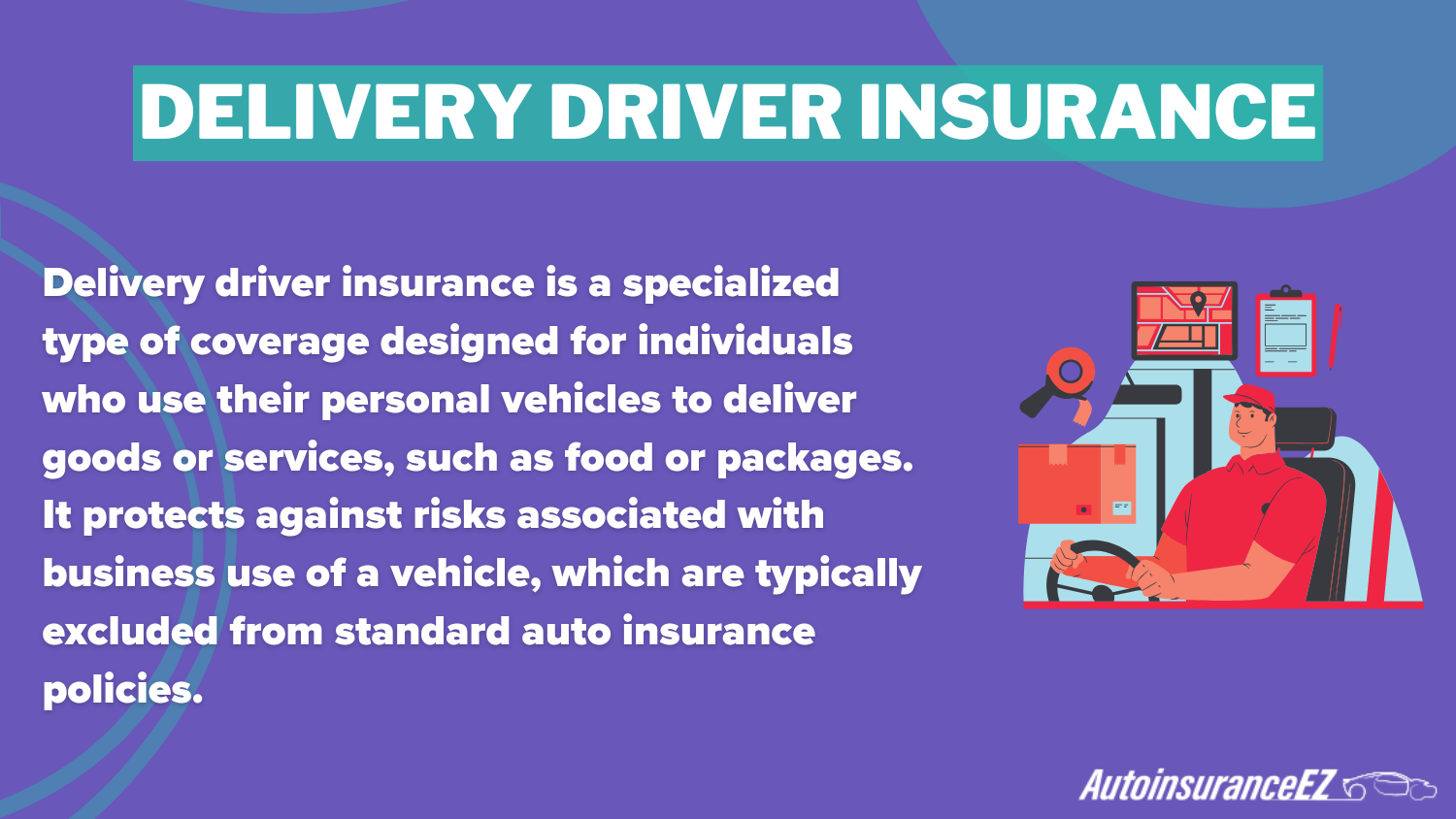
Delivery driver insurance is a specialized type of coverage designed for individuals who use their personal vehicles for work-related deliveries. It can be offered as an add-on endorsement to a personal auto policy or as a completely separate commercial policy, depending on the insurer and the employer’s requirements.
 What Does Special Accident Insurance Cover
This coverage accounts for the increased exposure associated with delivery work, including higher mileage and time spent on the road. Some insurance providers offer hire and non-own auto (HNOA) policies to cover drivers who use their personal vehicles for companies like pizza chains or food delivery apps, even though they don’t own a fleet.
- Delivery driver insurance often includes liability, collision, and comprehensive coverage adapted for business use.
- Some companies partner with insurers to offer group policies or stipends to help drivers obtain proper coverage.
- HNOA coverage may protect drivers when using personal vehicles for employers who don’t own the cars used for delivery.
Do Pizza Delivery Companies Provide Insurance for Drivers?
Many pizza delivery companies offer some level of insurance coverage, but it usually does not replace the need for personal or supplemental insurance.
Employer-provided insurance might cover liability when the driver is on the clock and delivering, but it may not cover physical damage to the driver's personal vehicle or injuries sustained in an accident. Additionally, coverage gaps can occur during commutes to and from the restaurant or while the driver is en route to pick up an order.
It is crucial for drivers to review their employer’s insurance details and understand when coverage starts and ends. Most experts recommend that delivery drivers carry both a personal policy that includes business use or a dedicated delivery policy.
- Company insurance often only applies during active delivery tasks and may exclude personal commutes.
- Drivers may need to provide proof of insurance with business use coverage to qualify for delivery jobs.
- Even with employer coverage, having additional insurance helps protect personal assets and vehicles from financial loss.
What type of insurance is required for pizza delivery drivers?
Personal Auto Insurance and Its Limitations
Most pizza delivery drivers start with personal auto insurance, which covers standard vehicle use like commuting or running errands. However, this type of insurance often has significant limitations when used for delivery purposes.
Personal policies typically exclude coverage for commercial activities, and making frequent delivery trips may be classified as commercial use. If a driver causes an accident while delivering pizzas, the insurance company could deny the claim upon discovering the vehicle was being used for business. Therefore, relying solely on personal auto insurance can leave drivers financially exposed in case of accidents or lawsuits.
- Personal auto insurance is designed for non-commercial, everyday driving.
- Insurers may consider food delivery as a business activity, which voids standard personal coverage during delivery.
- Claim denials are common if the insurer determines the vehicle was being used commercially at the time of the incident.
Commercial Auto Insurance for Delivery Drivers
Commercial auto insurance is specifically designed for vehicles used in business operations, including food delivery. This type of coverage provides protection for accidents, property damage, and liability that occur while a driver is on the job.
It accounts for the increased mileage, risks, and frequency of stops associated with delivery work. Employers who own delivery vehicles usually carry commercial policies, but independent contractors or part-time drivers need to obtain their own. Although commercial insurance tends to be more expensive than personal policies, it is essential for legal and financial protection during work hours.
- Commercial insurance covers liabilities related to business use of a vehicle, such as delivering food.
- It includes broader liability protection and may cover damage to delivered goods or customer injuries.
- Drivers working as independent contractors are responsible for securing their own commercial policy if not provided by the employer.
Non-Owned and Hired Auto Insurance Coverage
Some pizza delivery drivers use their personal vehicles but are classified as employees. In these cases, restaurants may carry non-owned auto insurance or hired auto coverage to protect drivers using personal cars for work.
Non-owned auto insurance covers vehicles not owned by the business but used for company-related tasks, including pizza delivery. This supplemental coverage works alongside the driver's personal insurance and can help cover gaps in liability. However, drivers should verify the policy details with their employer to understand the extent of protection provided.
- Non-owned auto insurance protects businesses when employees use personal vehicles for deliveries.
- It fills the gap left by personal insurance exclusions for commercial use.
- Drivers should confirm whether their employer provides this coverage and what it includes to avoid underinsurance.
Do You Need Additional Insurance for Pizza Delivery with DoorDash?

Does DoorDash Provide Insurance Coverage for Delivery Drivers?
DoorDash does offer some level of insurance coverage for its delivery drivers, but it's essential to understand the scope and limitations of this protection.
Drivers are covered under DoorDash’s commercial insurance policy only during specific periods of the delivery process, particularly once they have accepted a delivery request and are en route to the restaurant or delivering the order. During these active delivery times, DoorDash provides liability coverage, uninsured/underinsured motorist coverage, and contingent comprehensive and collision coverage.
However, this coverage is secondary, meaning it only applies after a driver’s personal auto insurance has been exhausted. If a driver causes an accident while actively making a DoorDash delivery, DoorDash's policy may help cover third-party damages, but out-of-pocket expenses and complications with personal insurance claims can still occur.
- DoorDash insurance activates only during Dash engagement, starting from the moment a driver accepts a delivery.
- The policy includes liability protection, but drivers must first use their personal insurance for primary claims.
- Comprehensive and collision coverage provided by DoorDash is contingent and may require the driver to pay a deductible.
Why Personal Auto Insurance May Not Cover Delivery Driving
Most standard personal auto insurance policies explicitly exclude commercial activities, which includes food delivery services like DoorDash. Using a personal vehicle to deliver pizza for pay changes the risk profile significantly in the eyes of insurance companies.
If a driver gets into an accident while picking up or delivering a DoorDash order, their personal insurer may deny the claim upon discovering the vehicle was being used for commercial purposes. This denial can leave the driver financially responsible for vehicle repairs, medical expenses, and liability payments.
Even though DoorDash offers its own coverage, relying solely on it without verifying personal policy terms can expose drivers to substantial risks. Therefore, understanding how personal insurance providers classify gig work is crucial for protecting oneself legally and financially.
- Personal auto policies typically define commercial use as any activity involving transporting goods or passengers for payment.
- Insurers may cancel a policy or refuse claims if delivery driving is discovered and not previously disclosed.
- Drivers should contact their insurance provider to determine if food delivery is covered or if a rideshare or commercial endorsement is required.
Should You Purchase Additional Insurance for DoorDash Deliveries?
Purchasing additional insurance for DoorDash pizza deliveries is strongly recommended, especially since gaps in coverage can leave drivers vulnerable.
While DoorDash offers backup insurance, it may not be sufficient in all scenarios, particularly for damage to the driver’s own vehicle or high-cost accidents. Many drivers opt for rideshare-endorsed insurance policies, which provide coverage throughout all phases of delivery—including when the app is on but no delivery has been accepted.
These policies bridge the gap between personal insurance and DoorDash’s commercial policy. Additionally, some insurance companies offer specific commercial auto policies for gig workers, which may be more comprehensive. Ultimately, investing in the right coverage can prevent financial strain in the event of an accident.
- Rideshare-endorsed policies cover the period when the app is on but no delivery has been accepted, a time typically not covered by personal or DoorDash insurance.
- Commercial auto insurance may be required for drivers who spend significant time on delivery platforms.
- Additional insurance provides peace of mind and financial protection, especially in high-risk or high-traffic areas.
What insurance coverage is required for pizza delivery drivers?
Personal Auto Insurance Limitations for Delivery Drivers
- Most personal auto insurance policies explicitly exclude coverage for vehicles used for commercial purposes, which includes delivering food for compensation. This means that if a driver is involved in an accident while making deliveries, their personal policy may refuse to cover damages or injuries.
- Insurance companies consider delivery driving a higher risk due to increased mileage, frequent starts and stops, and distracted driving from handling orders and navigation. As a result, standard personal policies are not designed to account for these elevated risks.
- If a claim is filed during a delivery and the insurer discovers the vehicle was being used commercially, the driver may face claim denial, policy cancellation, or even legal consequences for misrepresentation.
Commercial Auto Insurance Requirements
- Commercial auto insurance is specifically designed for vehicles used in business operations, including food delivery. It provides liability, collision, and comprehensive coverage that accounts for the increased exposure during delivery activities.
- Many pizza delivery companies require their drivers to carry commercial coverage, especially if the driver uses their vehicle full-time for deliveries. The policy typically covers third-party liability, medical payments, and property damage arising from delivery-related incidents.
- Obtaining a commercial policy may require disclosing vehicle usage, driving history, and the nature of employment. Premiums are generally higher than personal insurance due to the increased risk, but they offer necessary protection during on-the-clock delivery work.
Non-Owned and Hired Auto Insurance by Employers
- Some pizzerias or delivery companies carry non-owned auto liability insurance, which provides coverage for drivers using their personal vehicles to deliver orders. This coverage typically applies to liability claims when the driver is working for the business.
- Hired auto insurance may be included in a business’s commercial policy, covering vehicles not owned by the company but used for business purposes, such as a driver’s personal car during delivery shifts.
- While employer-provided coverage offers a level of protection, it may not cover all expenses, such as damage to the driver’s own vehicle. Therefore, drivers often need a combination of personal coverage (with delivery endorsement) or commercial insurance to ensure full protection on the road.
Frequently Asked Questions
Do I need special insurance to deliver pizza?
Yes, you typically need special insurance to deliver pizza, as personal auto insurance often doesn't cover accidents during food delivery. Most pizza delivery jobs require commercial auto insurance or a rider on your existing policy. Some employers may provide insurance coverage while you're working, but it's essential to confirm this before starting. Always check with your insurer and employer to ensure proper coverage and avoid liability issues.
Will my personal car insurance cover me while delivering pizzas?
Generally, no—most personal car insurance policies exclude coverage for commercial activities like pizza delivery. Using your vehicle for delivery without proper coverage could result in denied claims or policy cancellation. Some insurers offer delivery driver endorsements or commercial use add-ons. Always inform your insurance provider about your delivery work to get accurate coverage details and avoid financial risks in case of an accident.
Does the pizza company provide insurance for delivery drivers?
Some pizza companies do provide insurance coverage for delivery drivers while they're on the clock, but this varies by employer and location. The coverage might only apply during active delivery tasks. It’s crucial to confirm the extent of the company’s policy and whether it includes liability, vehicle damage, or personal injury. Even with employer coverage, having supplemental insurance is often recommended for full protection.
What happens if I deliver pizza without proper insurance?
Delivering pizza without proper insurance can lead to serious financial consequences. If you're involved in an accident, your personal insurance may refuse the claim due to commercial use of your vehicle. This could leave you responsible for repairs, medical bills, and legal fees. You might also face fines or legal penalties. Always secure appropriate insurance before starting any delivery work to protect yourself and comply with regulations.
Leave a Reply