
Health Conditions Impact On Life Insurance Premiums

Health conditions play a significant role in determining life insurance premiums, as insurers assess an applicant’s medical history to evaluate risk. Pre-existing conditions such as diabetes, hypertension, heart disease, and obesity can lead to higher premiums or even denial of coverage.
Insurers rely on medical underwriting to analyze the severity, management, and potential impact of these conditions on life expectancy. Even mental health issues and past surgeries may influence the final rate.
However, advancements in medicine and improved health management can sometimes result in more favorable terms. Understanding how specific health conditions affect premiums helps applicants make informed decisions when purchasing life insurance.
 Business And Workers Comp Insurance
Life insurance premiums are heavily influenced by an applicant’s health status, as insurers assess the level of risk associated with providing coverage. When applying for life insurance, individuals undergo a thorough medical evaluation that includes reviewing pre-existing conditions such as diabetes, heart disease, cancer, or hypertension.
Insurers use this information to gauge life expectancy and the likelihood of a claim being made during the policy term. Those with chronic or serious health conditions are often seen as higher risk, leading to increased premiums or even denial of coverage in severe cases.
However, advances in medicine and improvements in managing certain conditions can sometimes result in more favorable underwriting decisions, especially when the condition is well-controlled through medication, lifestyle changes, or regular treatment. Ultimately, insurers rely on actuarial data to determine how specific health issues impact mortality risk, making an applicant’s medical history one of the most significant factors in pricing a life insurance policy.
Certain chronic and acute medical conditions have a direct impact on life insurance pricing because they are associated with higher mortality risks.
 Business Consultant Insurance Requirements
Conditions such as diabetes, particularly Type 2, can lead to elevated premiums due to the long-term complications like kidney failure, cardiovascular disease, or neuropathy that may develop over time. Similarly, individuals with a history of heart disease, including coronary artery disease, heart attacks, or congestive heart failure, are often required to pay higher premiums because of the increased risk of future cardiac events.
Cancer also plays a major role in underwriting decisions; the type, stage at diagnosis, treatment success, and time since remission all influence how insurers assess risk. Other significant conditions include chronic obstructive pulmonary disease (COPD), which affects breathing and long-term survival, hypertension (high blood pressure) when uncontrolled, and obesity, especially when linked to other health issues.
Insurers may also scrutinize mental health conditions such as depression or anxiety, particularly if hospitalization or suicidal ideation has occurred, although treatment compliance and stability can mitigate concerns. Each condition is evaluated individually based on severity, management, and overall impact on life expectancy.
| Health Condition | Impact on Premiums | Factors Considered by Insurers |
|---|---|---|
| Diabetes (Type 2) | Moderate to high increase | Blood sugar control, complications, medication use, duration |
| Heart Disease | High increase | Type of condition, treatment history, current heart function |
| Cancer | Varies (remission period critical) | Cancer type, stage, treatment outcome, time since remission |
| Hypertension | Low to moderate increase | Blood pressure readings, medication, organ damage |
| Obesity | Moderate increase | BMI, associated conditions, lifestyle efforts |
The Role of Medical Exams and Underwriting in Risk Assessment
During the life insurance application process, most policies require a medical exam to collect objective data such as blood pressure, cholesterol levels, body mass index (BMI), and blood and urine samples to detect underlying health issues. This information is used in the underwriting process, where insurers analyze the applicant’s overall health profile to determine risk class and premium rate.
 Business Health Insurance West Virginia
Applicants are typically placed into categories ranging from preferred plus (lowest risk) to substandard or high-risk, with each tier corresponding to a different pricing structure. For those with identified health conditions, underwriters may request additional information, such as medical records, specialist reports, or a history of hospitalizations.
The goal is to understand not just the diagnosis, but how well the condition is managed—consistent treatment, lifestyle improvements, and stable test results can lead to more favorable outcomes. Some insurers may also use predictive models and actuarial tables to project life expectancy based on health data, ensuring premiums reflect the true risk of insuring the individual.
Ways to Secure Affordable Coverage Despite Health Issues
Even with a pre-existing health condition, it is possible to obtain life insurance at a reasonable rate by taking strategic steps. First, shopping around is crucial, as different insurers have varying underwriting guidelines—some are more lenient toward certain conditions than others. Working with an experienced insurance broker can help identify companies known for favorable assessments of specific medical histories.
Improving health metrics before applying—such as lowering blood pressure, achieving a healthier BMI, or demonstrating consistent glucose control for diabetics—can significantly improve underwriting outcomes. Additionally, timing matters: applying after a significant period of stability or remission, particularly for cancer or heart conditions, increases the chances of better rates.
 Business Insurance Breakout Awards 2025
For those declined for traditional policies, guaranteed issue or simplified issue life insurance offers an alternative, though these typically come with higher premiums and lower coverage limits. Despite health challenges, proactive management and informed decision-making can lead to the acquisition of valuable financial protection for loved ones.
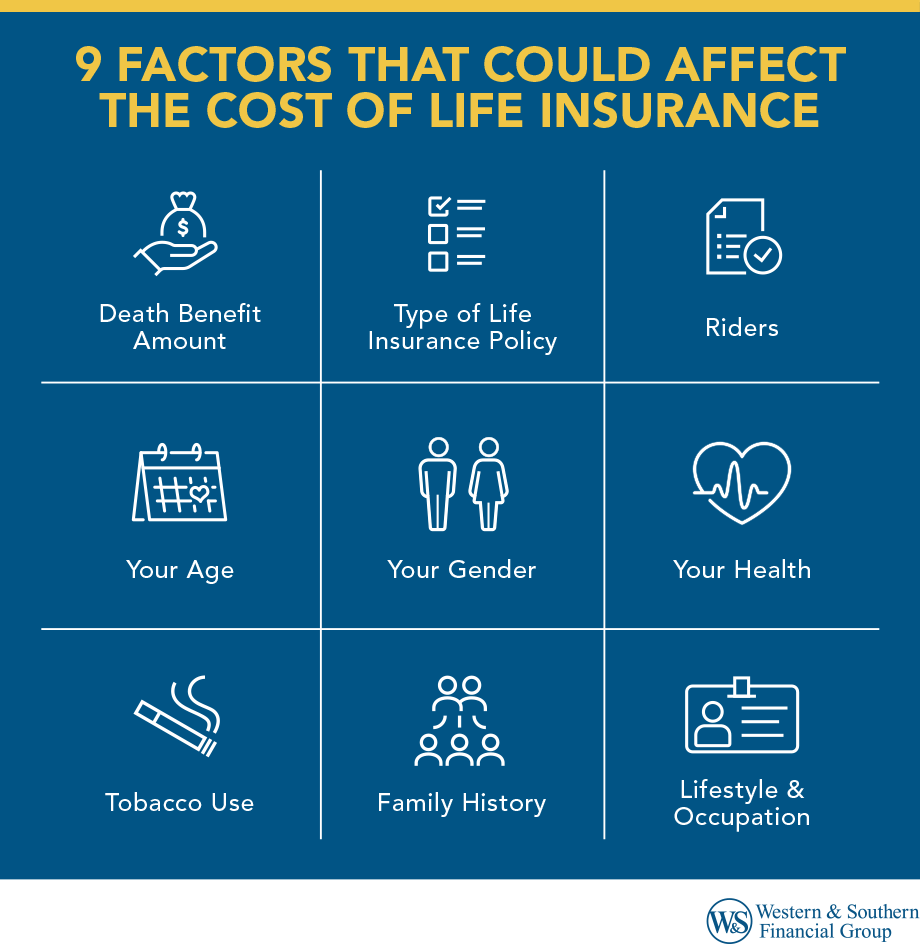
How Pre-Existing Medical Conditions Affect Risk Assessment
Life insurance companies evaluate an applicant's health to determine the likelihood of a future claim. Pre-existing medical conditions such as diabetes, heart disease, cancer, or chronic respiratory illnesses signal a higher risk to insurers, which directly impacts premium rates.
Insurers rely on medical records, paramedical exams, and health questionnaires to assess these conditions. A diagnosis of a serious illness may lead to higher premiums or even policy denial, depending on severity and treatment.
 Business Insurance Checklist
The longer the condition has been stable and well-managed, the more favorably it may be viewed. Applicants with controlled hypertension, for example, may receive more competitive rates than those with uncontrolled or recently diagnosed cases.
- Insurers classify health status using underwriting guidelines, placing applicants into risk categories such as preferred, standard, or substandard.
- Conditions that require ongoing treatment or hospitalization are considered higher risk, resulting in increased premiums.
- The duration and consistency of treatment, along with medical test results, influence how the condition is priced in the risk model.
Certain health conditions are closely tied to lifestyle choices, and insurers take these into account when calculating premiums. Obesity, high cholesterol, and type 2 diabetes, for instance, are often associated with diet, physical inactivity, and other modifiable behaviors.
Applicants with these conditions may face higher rates, especially if they have related complications. However, evidence of positive lifestyle changes—such as weight loss, improved lab results, or smoking cessation—can lead to re-evaluation and potentially lower rates over time. Insurers look for patterns, not just isolated health metrics, to determine long-term risk.
- Body Mass Index (BMI) is a standard metric used to assess weight-related risk, with higher BMIs often leading to higher premiums.
- Blood pressure and cholesterol levels are frequently reviewed; consistent readings outside normal ranges can elevate risk classification.
- Insurers may offer rate reductions after a certain period if follow-up tests show improvement in health markers.
Mental health conditions such as depression, anxiety, and bipolar disorder are included in the underwriting process and can affect life insurance costs.
The extent of impact depends on the diagnosis, treatment history, hospitalization records, and medication use. A well-documented history of stable mental health management with no recent episodes may result in standard or near-standard rates.
However, severe depression with past hospitalizations or suicidal ideation may lead to higher premiums or postponed applications. Insurers recognize that many individuals manage mental health effectively and aim to assess risk based on control and outcomes rather than diagnosis alone.
- Applicants are typically asked about therapy, medication, hospitalizations, and work-related impacts over the past few years.
- Mild to moderate anxiety treated with outpatient care may have minimal impact on premiums if symptoms are controlled.
- Transparency in disclosure is critical; omitting mental health history can lead to claim denial, even if premiums were initially unaffected.

- Age is one of the most significant factors insurers use to calculate life insurance premiums because the risk of mortality increases with age. As people grow older, their bodies become more susceptible to illness and chronic conditions, making it statistically more likely that the insurer will have to pay out the policy.
- Individuals who purchase life insurance at a younger age typically enjoy lower premiums because they pose less risk to the insurer. For example, a healthy 30-year-old will usually pay substantially less than someone in their 50s for the same coverage.
- Insurers often set premium rates based on age brackets, and premiums typically rise incrementally every five to ten years. Delaying the purchase of life insurance can result in significantly higher costs over time due to these age-related rate increases.
- Pre-existing medical conditions such as diabetes, heart disease, cancer, or hypertension can have a substantial effect on life insurance rates. Insurers view these conditions as indicators of higher risk, which may lead to earlier claims against the policy.
- During the underwriting process, applicants must disclose their medical history, and insurers may request medical exams or access to medical records. Based on this information, they assess how long the applicant is expected to live and adjust premiums accordingly.
- In some cases, severe health conditions may lead to policy denial or require acceptance of a high-risk (or substandard) rating, resulting in significantly higher premiums. Some insurers specialize in covering individuals with health issues, but coverage often comes at a higher cost.
- Lifestyle choices closely related to health—such as smoking, alcohol consumption, obesity, and participation in hazardous activities—can amplify the effect of both age and medical conditions on premiums. For instance, smokers are often charged two to three times more than non-smokers for the same policy.
- Applicants who manage chronic conditions effectively through medication, diet, and exercise may still qualify for better rates, especially if their condition is well-controlled and complications are minimal. Insurers may review lab results and treatment history during underwriting.
- Improving health after initially being classified as high-risk can sometimes lead to a policy re-evaluation. Many insurers allow policyholders to apply for a rate reduction after a few years if they’ve made significant lifestyle improvements, such as quitting smoking or losing weight.

Chronic Cardiovascular Diseases
Chronic cardiovascular conditions are among the most significant factors influencing life insurance eligibility and premium rates. Insurers consider these diseases high-risk due to their potential to lead to premature death.
During the underwriting process, applicants with such conditions typically undergo thorough medical evaluations, and coverage may be denied or offered with higher premiums depending on severity and management.
- Hypertension (high blood pressure) is commonly assessed through medical records and lab results; uncontrolled hypertension often leads to increased premiums.
- Coronary artery disease, including prior heart attacks or angioplasty, may result in higher risk classifications or waiting periods before coverage is approved.
- Heart failure and arrhythmias are evaluated based on ejection fraction, treatment history, and symptom frequency, directly affecting underwriting decisions.
Diabetes and Metabolic Disorders
Diabetes, particularly if poorly managed, significantly impacts life insurance applications. Both Type 1 and Type 2 diabetes are scrutinized for their long-term complications, such as nerve damage, kidney failure, and cardiovascular issues, all of which affect mortality risk. Insurers rely heavily on HbA1c levels, treatment methods, and associated comorbidities when assessing applicants.
- Type 1 diabetes often results in higher premiums due to lifelong insulin dependency and earlier age of onset.
- Type 2 diabetes may lead to more favorable rates if the condition is diet-controlled and complications are absent.
- Obesity, frequently linked with metabolic syndrome, is evaluated alongside diabetes and may independently increase premiums based on BMI and waist circumference.
Cancer and Oncological Histories
A history of cancer profoundly affects life insurance eligibility, with the type, stage, treatment, and time since remission being key considerations. Because cancer increases mortality risk, insurers often defer coverage during active treatment and require a waiting period post-remission before offering standard rates.
- Early-stage cancers with full remission, such as basal cell carcinoma or Stage I breast cancer, may eventually qualify for standard or near-standard rates after 5–10 years.
- Aggressive or late-stage cancers, including pancreatic or metastatic disease, often lead to declination or substandard ratings even years after treatment.
- Regular follow-ups, clear imaging results, and oncologist reports are typically required during underwriting to verify sustained remission and reduce perceived risk.
Frequently Asked Questions
Pre-existing health conditions such as diabetes, heart disease, or cancer typically increase life insurance premiums. Insurers view these conditions as higher risk, which may reduce life expectancy. The severity, treatment, and how well the condition is managed influence the rate increase. Some applicants may even be temporarily declined coverage. However, shopping around and disclosing accurate medical history can help find more affordable options with favorable underwriting guidelines.
Can I Get Life Insurance With a Chronic Health Condition?
Yes, you can still qualify for life insurance with a chronic health condition like high blood pressure, diabetes, or asthma. Insurers evaluate each case based on stability, treatment, and overall health management. While premiums may be higher, some companies specialize in high-risk applicants. Working with an experienced agent and providing complete medical records improves your chances of approval at competitive rates, even with ongoing health concerns.
Does High Blood Pressure Significantly Increase Life Insurance Costs?
High blood pressure can raise life insurance premiums, but the impact depends on severity and control. If well-managed with medication and lifestyle changes, you may still qualify for preferred rates. However, untreated or severe hypertension increases risk of heart disease and stroke, leading to higher premiums or delayed underwriting. Regular monitoring and doctor visits help demonstrate control, improving your chances of more favorable pricing from insurers.
Will a Cancer Diagnosis Prevent Me From Getting Life Insurance?
A cancer diagnosis doesn’t always prevent you from getting life insurance, but it may affect eligibility and pricing. Insurers consider cancer type, stage, treatment success, and time since remission. Those in long-term remission may qualify for standard or even preferred rates. Some insurers offer coverage sooner than others post-treatment. Disclosing full medical details and working with a knowledgeable agent can help find suitable policies at reasonable premiums.
Leave a Reply