
Do Doordash Drivers Need Special Insurance

Driving for DoorDash offers flexibility and earning potential, but it also raises important questions about insurance coverage.
Many drivers assume their personal auto policy is sufficient, but standard plans often exclude commercial activities. Since DoorDash delivery involves using a personal vehicle for business purposes, gaps in coverage can leave drivers financially vulnerable in the event of an accident.
While DoorDash provides some insurance, it only applies during specific periods of the delivery process. Understanding when that coverage activates—and when personal insurance must fill the gaps—is critical. Drivers must evaluate their existing policies and consider additional protection to stay fully covered.
 Do Uber Drivers Need Special Car Insurance
Do Doordash Drivers Need Special Insurance?
Yes, Doordash drivers typically need special insurance coverage to ensure they are protected while working, as standard personal auto insurance policies often exclude coverage during commercial delivery activities. When a driver accepts a delivery, they enter a unique phase where their personal vehicle is being used for business purposes, which can create coverage gaps.
Most personal auto insurance providers do not cover accidents that occur while a driver is using their vehicle for gig economy work such as food delivery. As a result, Doordash drivers need to consider additional or modified insurance policies, such as a commercial auto policy or a rideshare/commercial delivery endorsement, to remain adequately protected.
While Doordash does offer some level of insurance coverage during specific delivery periods, this may not fully replace the protection offered by a personal auto policy and often has limitations. Understanding these nuances is critical to ensuring both legal compliance and financial protection.
Understanding Insurance Gaps During Different Delivery Phases
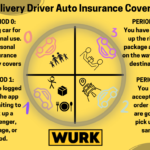
Doordash breaks a delivery into three main periods: waiting for a delivery request (Period 0), accepting a delivery and en route to the restaurant (Period 1), and transporting food to the customer (Period 2).
 Do Uber Drivers Need Special Insurance
Standard personal auto insurance typically only covers the driver when they are logged into the Doordash app but haven’t accepted a delivery (Period 0), and may not provide protection once the driver accepts a delivery. During Periods 1 and 2, the vehicle is being used for commercial purposes, which most personal policies explicitly exclude.
Although Doordash provides contingent liability insurance during these periods, it is secondary to the driver’s personal insurance and only activates if the driver’s policy does not cover the incident. This creates a coverage gap that can leave drivers financially vulnerable if they are involved in an accident without proper supplemental insurance.
What Type of Insurance Do Doordash Drivers Need?
To properly protect themselves, Doordash drivers should consider adding a rideshare endorsement or purchasing a commercial auto insurance policy.
A rideshare endorsement is an affordable addition to a personal auto policy that extends coverage during all phases of delivery, much like it does for rideshare drivers. These endorsements are offered by several major insurers, including State Farm, Allstate, and Progressive. Alternatively, a full commercial auto policy offers the most comprehensive protection, as it is designed specifically for vehicles used in business operations.
 Do You Have To Have Special Insurance For Doordash
While more expensive, it provides consistent coverage regardless of app status and avoids any disputes between personal and commercial insurers. Drivers should proactively contact their insurance provider to disclose their delivery work and determine the best coverage options available in their state.
Doordash's Provided Insurance Coverage and Its Limitations
Doordash does provide insurance to its drivers, but this coverage comes with important limitations and should not be viewed as a substitute for a personal policy.
During Period 1 and Period 2, Doordash offers liability insurance with coverage limits generally aligned with state requirements, including bodily injury and property damage protection. They may also offer contingent comprehensive and collision coverage for damage to the driver’s vehicle, but only if the driver has these coverages on their personal policy. However, this contingent coverage is secondary, meaning the driver’s own insurance pays first.
There may also be deductibles, coverage caps, and restrictions based on vehicle type or ownership. Drivers who rely solely on Doordash’s insurance risk being underinsured or denied coverage in certain situations, especially if they haven’t updated their personal policy to reflect their delivery activity.
 Do You Have To Have Special Insurance To Deliver Food
| Insurance Type | Coverage Phase | Key Benefits | Limitations |
|---|---|---|---|
| Personal Auto Insurance | Period 0 (logged in, no delivery) | Covers personal use and limited gig activity | No coverage during Periods 1 and 2; may result in policy cancellation if gig work is hidden |
| Rideshare Endorsement | Periods 0, 1, and 2 | Extends personal policy to commercial delivery phases | Not available in all states; requires existing personal policy |
| Commercial Auto Policy | All delivery phases | Full-time commercial coverage; comprehensive protection | Higher premiums; often more than double personal insurance cost |
| Doordash-Provided Insurance | Periods 1 and 2 | Provides liability and contingent vehicle damage coverage | Secondary coverage only; doesn't replace personal insurance |
Do DoorDash Drivers Need Special Insurance? A Complete Guide
Do Doordash drivers need commercial insurance to avoid legal issues?

Personal vs. Commercial Insurance for Gig Drivers
When working for delivery platforms like DoorDash, one of the main concerns drivers face is whether their personal auto insurance provides adequate coverage during deliveries. Most personal auto insurance policies are designed for personal use and often exclude coverage when the vehicle is used for commercial purposes.
Driving for DoorDash qualifies as commercial use because the driver is transporting goods for pay, even on a part-time basis. If an accident occurs while actively delivering a DoorDash order, the insurance company may deny the claim upon discovering the vehicle was being used commercially at the time. This puts drivers at significant financial risk, including liability for damages and potential legal action from third parties.
- Personal insurance typically covers commuting and occasional personal errands but not delivery driving.
- Using a personal vehicle to deliver for profit creates a commercial use scenario that standard policies do not cover.
- Insurance companies can investigate claims and may void coverage if commercial use is detected during a loss.
DoorDash-Provided Insurance Coverage Details
DoorDash does offer some level of insurance coverage for its delivery drivers, but it is important to understand the limitations and specific conditions under which this coverage applies. The company’s insurance generally activates only when the driver has accepted a delivery, is en route to pick up food, or is delivering to the customer. There are three phases of coverage: no delivery activity, driving to the restaurant, and delivering to the customer.
 Does Condo Insurance Cover Special Assessments
The most comprehensive protection occurs during the latter two phases. During these active delivery periods, DoorDash provides liability, uninsured/underinsured motorist, and contingent comprehensive and collision coverage. However, this coverage is secondary to the driver's personal insurance, meaning the driver’s own policy is expected to pay first.
- DoorDash insurance is contingent and becomes active only during specific delivery phases, not during idle periods.
- The coverage includes liability and property damage but acts as secondary insurance behind personal policies.
- Contingent collision and comprehensive coverage help only if the driver has these coverages on their personal policy.
Recommendations for Mitigating Legal and Financial Risks
To avoid potential legal and financial complications, DoorDash drivers should carefully evaluate their insurance needs and consider supplemental coverage. One effective solution is to obtain a rideshare or delivery-specific endorsement on a personal auto policy, which extends coverage to periods of commercial use.
Some insurers offer optional add-ons tailored for gig economy drivers, bridging the gap between personal and commercial policies. Additionally, drivers should review their policy terms or consult an insurance agent to clarify when their coverage applies. Maintaining proper documentation of delivery activity and insurance status can also protect drivers in the event of a claim dispute or legal inquiry.
- Adding a rideshare or delivery endorsement to a personal policy can provide continuous coverage during all stages of delivery work.
- Drivers should consult with insurance providers to confirm whether their current policy excludes gig economy activities.
- Maintaining records of deliveries and insurance documents can support claims and prevent legal complications.
Does DoorDash insurance coverage affect your personal auto insurance rates?

No, DoorDash insurance coverage does not directly affect your personal auto insurance rates. DoorDash provides its own commercial insurance that activates during specific periods of delivery, such as when you have accepted a delivery request and are en route to the restaurant or delivering the order. This insurance is separate from your personal auto policy and is designed to fill coverage gaps when your personal insurance may not apply.
Since DoorDash’s insurance operates independently and doesn't file claims through your personal policy under normal circumstances, your personal insurer typically won’t be notified of minor incidents that occur during deliveries. However, if an accident happens and you need to use your personal insurance—especially if DoorDash’s coverage doesn’t apply due to timing or policy limitations—your personal insurer may review the claim and adjusted rates could follow, depending on the outcome.
When DoorDash Insurance Is Active
- DoorDash insurance coverage is triggered during what the company defines as Periods 2 and 3 of a delivery: after you’ve accepted a delivery and are driving to the restaurant, and then when you’re on the way to the customer with the food.
- During these times, DoorDash provides commercial liability insurance that includes bodily injury and property damage coverage, typically starting at $1 million per incident.
- This layer of protection is active before your personal auto insurance would normally respond, reducing the chance that a claim would be filed under your personal policy and thus minimizing impact on your rates.
Scenarios Where Personal Insurance Might Be Used
- If an accident occurs during Period 1, when you’re logged into the app but haven’t accepted a delivery yet, DoorDash’s insurance generally does not cover you, so your personal auto insurance would be the primary payer in a claim.
- Likewise, if you’re involved in an accident after completing a delivery and are driving home without an active order, your personal insurance is responsible for coverage.
- In these cases, filing a claim through your personal policy could lead to a review by your insurer, and depending on claim severity and your history, your premiums might increase over time.
How Insurance Companies View Gig Driving
- Most personal auto insurance policies exclude coverage for commercial activities, and food delivery is considered a commercial use of a personal vehicle.
- If your insurer determines that you’re using your vehicle for delivery services regularly, they may deny a claim or even cancel your policy for misrepresentation, especially if you didn’t disclose your gig driving.
- Some insurers now offer ride-share or delivery endorsements that extend personal policies to cover commercial driving periods, helping to prevent gaps and protect your rate history.
Frequently Asked Questions
Do DoorDash drivers need special insurance when delivering?
Yes, DoorDash drivers need special insurance coverage when delivering. While DoorDash provides commercial insurance during Periods 2 and 3 (after accepting a delivery and while en route), personal auto policies typically don't cover food delivery.
Drivers should obtain rideshare or delivery-specific insurance to fill coverage gaps. This ensures protection during all delivery stages, including accidents or damages. Always verify coverage details with your insurer to avoid liability issues.
Does DoorDash insurance cover accidents during deliveries?
Yes, DoorDash insurance covers accidents during Periods 2 and 3, which include driving to pick up and deliver orders. The company provides liability, uninsured motorist, and collision coverage with a deductible. However, coverage doesn’t apply during Period 1 (logged in but no delivery accepted). Drivers should maintain personal or rideshare insurance for full protection. Review DoorDash’s policy details and consult your insurer to ensure continuous coverage when accidents occur.
Can I use my personal auto insurance for DoorDash deliveries?
No, standard personal auto insurance usually doesn't cover commercial activities like DoorDash deliveries. Most policies exclude business use, leaving drivers exposed during delivery.
While DoorDash provides insurance during active deliveries, there are gaps in coverage. To stay protected, drivers should add a commercial or rideshare endorsement to their policy or purchase a separate delivery-specific insurance plan for full protection on every delivery.
What type of insurance does DoorDash provide for its drivers?
DoorDash provides commercial insurance during Periods 2 and 3, covering liability, uninsured motorists, and collision with a $1,000 deductible. This protection applies once a delivery is accepted and continues until drop-off.
However, no coverage is provided during Period 1 (when logged in but not on a delivery). Drivers should supplement with rideshare or commercial insurance to ensure protection throughout all phases of delivery driving.
Leave a Reply