
Do Food Delivery Drivers Need Special Insurance

Food delivery drivers play a crucial role in today’s fast-paced, on-demand economy. As more people rely on app-based services for meals and groceries, the number of independent drivers on the road continues to grow.
However, a critical question arises: do these drivers need special insurance coverage? Standard auto insurance policies are typically designed for personal use and may not cover accidents that occur during deliveries. Without proper protection, drivers could face significant financial risks. This article explores the gaps in traditional insurance, examines delivery platform policies, and evaluates whether specialized insurance is necessary for those working in food delivery.
Do Food Delivery Drivers Need Special Insurance?
Food delivery drivers operate in a unique space that often falls between personal and commercial use of a vehicle, making it essential to understand whether standard auto insurance is sufficient or if special insurance coverage is required.
 Do Uber Drivers Need Special Car Insurance
Most personal auto insurance policies exclude coverage when a vehicle is used for commercial purposes, such as delivering food for platforms like Uber Eats, DoorDash, or Grubhub. As a result, drivers may be left unprotected in the event of an accident while on a delivery. While some delivery platforms offer limited insurance coverage during certain parts of the delivery process—such as when a driver has accepted an order and is en route to the restaurant or delivering the food—this coverage is often inadequate or subject to gaps.
Therefore, many drivers benefit from or require additional insurance options such as rideshare or food delivery-specific policies that bridge the coverage gap and provide comprehensive protection throughout the delivery cycle.
When Your Personal Insurance May Not Cover Delivery Accidents
Standard personal auto insurance policies typically exclude incidents that occur while using your vehicle for commercial purposes, and food delivery is considered a commercial activity. If you're involved in an accident while picking up or delivering food, your insurance provider might deny the claim upon discovering the vehicle was being used for delivery.
Many drivers mistakenly believe they're fully protected, but insurers often investigate the nature of the trip and can void coverage if the vehicle was being used to generate income. This lack of coverage can result in significant out-of-pocket expenses for medical bills, vehicle repairs, or liability claims. Therefore, understanding the limitations of personal insurance is crucial for any delivery driver seeking financial protection.
 Do Uber Drivers Need Special Insurance
How Delivery Platforms Provide Limited Insurance Coverage
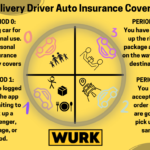
Most food delivery companies offer some level of insurance, but this coverage is often limited and applies only during specific periods of the delivery process. For example, coverage may activate only after a driver accepts a delivery request and extends through the drop-off, but not while the driver is logged into the app but waiting for orders.
This period—sometimes referred to as period 1—typically lacks any commercial coverage, leaving the driver reliant on their personal policy, which may not apply. Even when platform insurance does apply, it may have high deductibles, limited liability caps, or exclusions for vehicle damage. Understanding the timing and scope of platform-provided insurance is essential for drivers to avoid unforeseen financial risks.
Types of Specialized Insurance for Delivery Drivers
To ensure continuous coverage, food delivery drivers can obtain specialized insurance policies such as rideshare endorsements or delivery-specific commercial policies.
A rideshare insurance endorsement extends personal coverage to include periods when the driver is logged into a delivery app but hasn't yet accepted a trip. Some insurers offer commercial auto insurance, which fully covers vehicles used for business purposes but tends to be more expensive.
 Do You Have To Have Special Insurance For Doordash
Additionally, delivery driver insurance add-ons from certain providers are tailored for gig workers and offer broader protection than standard personal policies. Drivers should compare options based on their driving frequency, delivery platform, and budget to find the best balance between protection and affordability.
| Coverage Type | When It Applies | Key Benefits | Limits or Gaps |
|---|---|---|---|
| Personal Auto Insurance | Commuting or personal use (not on delivery) | Low cost; standard protection | Excludes commercial use; likely voided during delivery |
| Delivery Platform Insurance | After accepting delivery to drop-off | Provides liability and collision coverage during active deliveries | Gaps during log-in but no order period; may have high deductibles |
| Rideshare or Delivery Add-on | While logged into app, including waiting periods | Bridges the gap in personal and platform coverage | Higher premium than personal insurance; not all insurers offer it |
| Commercial Auto Insurance | Any time vehicle is used for delivery | Full business-use coverage; most comprehensive | Significantly higher cost; may be overkill for part-time drivers |
Do Food Delivery Drivers Need Special Insurance? A Comprehensive Guide
Do DoorDash drivers need additional insurance coverage for food delivery?

Does DoorDash Provide Insurance Coverage for Delivery Drivers?
- Yes, DoorDash does offer some level of insurance coverage for its drivers during specific periods of the delivery process. The company provides commercial liability insurance that activates once a driver accepts a delivery request.
- This insurance typically covers bodily injury and property damage to third parties if the driver is at fault in an accident while actively making a delivery. Coverage begins after the driver has accepted a trip in the app and picked up the order from the restaurant.
- The extent of the coverage varies by state or country and can include liability limits such as $1 million per incident in the U.S. However, there are gaps in coverage, such as when a driver is logged into the app but hasn't accepted a delivery yet, leaving them potentially unprotected during that time.
What Gaps Exist in DoorDash’s Insurance Coverage?
- DoorDash insurance does not cover the driver's personal vehicle for damages sustained during an accident, especially if they occur outside of an active delivery. This means if a driver is involved in an accident while en route to pick up an order but hasn't accepted a delivery, their personal auto insurance may be the primary source of coverage.
- There is also no coverage for personal injury to the driver, medical expenses, or damage to personal belongings in the vehicle. Additionally, periods when the driver is online but between deliveries (waiting for a new order) may not be fully protected under DoorDash’s policy, depending on local regulations.
- Another critical gap is that DoorDash's insurance does not cover vehicles used for commercial purposes under standard personal auto policies. Many personal insurance companies consider food delivery a commercial activity, which could lead to denied claims or policy cancellation if the driver doesn’t disclose their delivery work.
Should DoorDash Drivers Purchase Additional Insurance?
- Many drivers choose to purchase a rideshare or delivery-specific insurance policy to bridge the gaps in DoorDash’s coverage. These policies are designed to supplement personal auto insurance by providing protection during all phases of delivery driving, including when the app is on but no delivery has been accepted.
- Adding a commercial endorsement or a rideshare add-on to an existing auto policy is often recommended, as it extends coverage to commercial use without requiring a full commercial auto policy, which can be expensive and complex to maintain.
- Drivers should also review their current insurance policy and consult their provider about their delivery activities to ensure they are adequately covered. In some cases, failing to disclose delivery driving can result in denied claims, so transparency and additional coverage are essential for financial and legal protection.
What Insurance Requirements Must Food Delivery Drivers Meet?

Personal Auto Insurance Limitations for Delivery Drivers
- Most standard personal auto insurance policies explicitly exclude coverage for commercial activities, which includes delivering food for compensation. This means if a driver is involved in an accident while making deliveries, their personal insurer may deny the claim entirely.
- Insurance companies categorize food delivery as a high-risk activity because it involves frequent stops, extended driving hours, and navigating unfamiliar areas—factors that increase the likelihood of accidents.
- Even if a driver doesn't explicitly inform their insurer about delivery work, claims investigations often reveal the commercial nature of the trip through GPS data, delivery app records, or witness statements, leading to policy cancellation or denial of coverage.
Commercial Auto Insurance and Its Importance
- Commercial auto insurance is specifically designed for vehicles used for business purposes, including food delivery. It provides coverage for bodily injury, property damage, and liability when driving for companies like Uber Eats, DoorDash, or Grubhub.
- Unlike personal policies, commercial insurance acknowledges that the vehicle is being used more intensively and offers higher liability limits to reflect the increased exposure.
- Obtaining a commercial auto policy typically requires providing documentation about the driver's delivery work, such as proof of income from the platform, vehicle usage logs, or a business license, depending on the insurer and jurisdiction.
Delivery Platform-Provided Insurance Coverage
- Many food delivery platforms offer some level of insurance coverage during specific periods, such as from the moment a driver accepts a delivery request until the delivery is completed. However, this coverage is often secondary or excess, meaning it only applies after the driver’s personal policy has paid out its limits.
- The coverage provided by platforms can vary significantly and may not include protection for the driver’s vehicle, personal injury, or incidents that occur while traveling to pick up an order without an active delivery request.
- Drivers must carefully review the platform’s insurance policies, understand coverage gaps, and consider purchasing rideshare or delivery-specific endorsements to ensure adequate protection throughout all phases of delivery work.
What Insurance Is Required for Food Delivery Drivers?
 Do You Have To Have Special Insurance To Deliver Food
Personal Auto Insurance Limitations for Delivery Use
- Personal auto insurance policies are designed for private, non-commercial use, which means they typically exclude coverage when a vehicle is used for business purposes such as food delivery. If an accident occurs while making deliveries, the insurance company may deny the claim upon discovering the vehicle was being used commercially.
- Most personal policies contain clauses that specifically exclude coverage for livery or for-hire transportation, which includes delivering food for apps like Uber Eats, DoorDash, or Grubhub. This exclusion can leave drivers financially exposed in the event of an accident during active delivery periods.
- Some personal insurers may allow limited business use with prior approval or added coverage, but this is rare. Drivers who fail to disclose their delivery activities risk having their policy canceled or claims denied, so understanding the limitations of personal insurance is critical.
Commercial Auto Insurance for Full-Time Delivery Drivers
- Commercial auto insurance is specifically designed for vehicles used in business operations, including full-time food delivery. This type of policy offers coverage tailored to the higher risks associated with frequent driving, especially in urban areas with increased traffic exposure.
- Coverage typically includes liability protection, collision and comprehensive coverage, and medical payments or personal injury protection, all of which are essential when driving for delivery services. These policies recognize the vehicle as a commercial asset and offer broader protection.
- While commercial insurance is more expensive than personal policies, it provides necessary protection during all phases of delivery work. Full-time delivery drivers are strongly advised to obtain this coverage to ensure they are fully protected and compliant with legal and platform requirements.
Delivery App’s Interim Insurance Coverage Explained
- Most food delivery platforms provide a form of interim insurance coverage that activates during specific periods of the delivery process, such as after accepting a delivery request and before completing the drop-off. This coverage usually includes liability, collision, and comprehensive protection during these active periods.
- The app-based insurance typically only applies when the driver is logged into the app, has accepted a delivery, and is en route to or from the restaurant or customer. Coverage does not apply when the driver is logged out or waiting for a delivery request, creating potential gaps in protection.
- While this interim coverage is helpful, it often serves as secondary insurance, meaning the driver’s personal policy would be the primary payer in case of a claim. Drivers must understand the timing, limits, and exclusions of the app’s insurance to avoid unexpected out-of-pocket expenses.
Do Uber Eats drivers need specific insurance coverage for food delivery?

Yes, Uber Eats drivers typically need specific insurance coverage for food delivery, although the exact requirements depend on the country, local laws, and the driver’s existing personal auto insurance policy. Many personal auto insurance policies do not cover accidents that occur when a vehicle is being used for commercial purposes, such as food delivery.
Uber Eats provides its own insurance coverage during certain periods of a delivery, but this coverage is supplemental and may not apply at all times. Therefore, it is essential for drivers to understand the coverage gaps and consider obtaining additional, specialized insurance, such as rideshare or delivery-specific insurance, to ensure they are fully protected.
When Does Uber Eats Insurance Coverage Apply?
- Uber Eats provides liability insurance coverage once a driver accepts a delivery request. This phase, known as Period 2 and Period 3, includes driving to pick up food and then delivering it to the customer. During these periods, Uber Eats coverage generally includes liability protection and contingent comprehensive and collision coverage, but only if the driver has a valid personal auto policy.
- When the driver is logged into the app but has not accepted a delivery (Period 1), Uber Eats offers limited coverage, typically restricted to liability protection only in certain regions. In many areas, personal insurance may still be the primary coverage during this time, which can create risks if the policy excludes commercial use.
- Drivers should note that Uber Eats insurance does not cover personal use of the vehicle outside of delivery tasks. So, commuting to and from areas with high delivery demand before logging into the app is not covered under Uber’s policy and may not be protected by personal insurance if the insurer considers the driver engaged in commercial activity.
Why Personal Auto Insurance May Not Be Sufficient
- Standard personal auto insurance policies are designed for private, non-commercial use. Using a vehicle to deliver food is classified as commercial activity, which often voids or limits coverage under personal policies. Insurers may deny claims if they determine the vehicle was being used for delivery at the time of an accident.
- Insurance companies usually require drivers to disclose if they use their vehicle for rideshare or delivery services. Failure to inform the insurer can result in canceled policies or rejected claims, even if the driver was not actively completing a delivery.
- Some insurers offer endorsements or riders that extend personal policies to include delivery activities, but these are not universal. Drivers may need to switch to a commercial or rideshare-specific auto policy, which accounts for increased mileage and higher exposure to risk associated with delivery driving.
Options for Delivery-Specific Insurance Coverage
- Several insurance companies now offer rideshare or delivery driver insurance policies that bridge the gap between personal and commercial coverage. These policies typically provide continuous protection during all phases of delivery driving, including when the driver is logged into the app and waiting for a delivery request.
- Some third-party insurers partner with gig economy platforms or provide on-demand commercial coverage that activates only when the driver is logged in. This model can offer cost savings compared to full commercial policies while still ensuring adequate protection.
- Drivers should compare coverage limits, exclusions, and premiums across multiple providers. It’s also advisable to check whether the insurance meets Uber Eats’ minimum requirements and is recognized in their operating region. Proper documentation ensures quicker processing of claims and avoids coverage lapses.
Frequently Asked Questions
Do food delivery drivers need special insurance?
Yes, food delivery drivers typically need special insurance because standard personal auto policies don’t cover commercial activities like delivering food. Using your car for deliveries increases risk, and if you're in an accident while working, your personal insurance might not pay. Many delivery platforms offer some coverage, but it may have gaps. A rideshare or commercial policy is often recommended to ensure full protection during all delivery stages.
What does standard car insurance cover for delivery drivers?
Standard car insurance usually only covers personal use and excludes commercial activities like food delivery. If you're delivering meals and get into an accident, your personal policy may deny the claim because you're using the vehicle for business purposes. While some coverage might apply when driving to the restaurant, it often stops once you pick up an order. Always check with your insurer to understand your policy's limitations during delivery work.
Does the delivery company provide insurance for drivers?
Many delivery companies, like Uber Eats, DoorDash, or Grubhub, provide some liability and accident insurance when you’re actively delivering. However, this coverage typically only activates after accepting a delivery request and may not include periods when you're en route to pick up food. Coverage amounts can also be limited, so relying solely on company-provided insurance may leave you underinsured. Check your provider’s policy details carefully.
What type of insurance should delivery drivers get?
Delivery drivers should consider a commercial auto policy or a rideshare endorsement if available in their state. These policies bridge the gap between personal use and commercial driving, offering coverage during all phases of delivery. A commercial policy is best if you deliver full-time, while a rideshare add-on may suffice for part-time drivers. Consult an insurance agent to determine the right option based on your delivery frequency and vehicle use.
Leave a Reply