
Child Rider Life Insurance Definition

Child rider life insurance is an add-on benefit to a parent’s or guardian’s life insurance policy that provides coverage for a child or children under the age of majority.
Typically offered as a supplemental policy, it requires no medical exam and guarantees insurability for the child, regardless of health conditions. The coverage amount is usually modest, ranging from $5,000 to $25,000, and is designed primarily to cover final expenses in the event of a child’s death.
Beyond immediate protection, a key advantage is the option to convert the rider into a permanent life insurance policy when the child reaches adulthood, often without proving insurability.
 Insurance Brokers Business
What Is a Child Rider Life Insurance Policy?
A child rider life insurance policy is an optional addition to a parent’s or guardian’s permanent life insurance policy that provides a small amount of life insurance coverage for one or more of their children. This type of rider is typically available for children from birth up to age 17 or 18 and can be added to whole life or universal life insurance policies.
The primary purpose of a child rider is to offer financial protection in the event of a child’s unexpected death, helping to cover final expenses or funeral costs. Unlike traditional life insurance policies for adults, child riders usually offer a modest death benefit—often ranging from $5,000 to $25,000—making them an affordable way to extend coverage to a family’s youngest members.
Additionally, many child riders come with the advantage of being convertible, meaning that when the child reaches adulthood, they may be able to convert the rider into a standalone permanent life insurance policy without having to go through medical underwriting.
How Does a Child Rider Work on a Life Insurance Policy?
A child rider attaches to a parent’s permanent life insurance policy and covers all eligible children under a single rider, without requiring individual medical exams or extensive underwriting.
 Insurance Business Architecture
Once activated, the rider remains in force as long as the parent’s policy is active and premiums are paid. If a covered child passes away before reaching adulthood, the insurance company will pay the stated death benefit to the policyholder.
This benefit is typically paid as a lump sum and can be used at the family’s discretion, often to alleviate the financial strain associated with burial or memorial expenses. Premiums for a child rider are generally low—sometimes just a few dollars per month per $1,000 of coverage—making it a cost-effective addition. It’s important to note that the rider does not cover the insured parent but instead provides a safety net for dependent children.
Benefits of Adding a Child Rider to Your Life Insurance
Including a child rider in a life insurance policy offers several key advantages for families. First, it ensures immediate coverage for children from a young age, securing protection at a time when health issues are rare but unexpected tragedies can occur.
Second, many child riders include a conversion option, allowing the child to convert their coverage into a standalone life insurance policy when they become an adult—usually between ages 18 and 25—without needing to prove insurability. This feature is especially valuable if the child develops a medical condition later in life that could make obtaining insurance difficult or expensive.
 Insurance Business Strategy
Additionally, child riders are typically inexpensive, with low flat-rate premiums that won’t increase as more children are added, and they cover all eligible children under one rider. This makes them a practical and economical way to extend protection across the entire family.
Limitations and Considerations of Child Rider Insurance
While child riders offer valuable benefits, they also come with certain limitations that policyholders should understand.
Coverage amounts are generally modest, often peaking at $25,000, which may not be sufficient for long-term financial planning. The rider only provides benefits if the child passes away while the coverage is active and before reaching the age limit set by the policy. Once the child ages out of the rider or if the parent’s policy lapses, the coverage ends unless converted.
It’s also critical to recognize that a child rider does not build cash value in the same way a standalone permanent policy might, although it may contribute indirectly through the base policy. Families should carefully review the terms, such as age limits, conversion windows, and exclusions, to ensure the rider aligns with their overall insurance strategy.
 Insurance For A Landscaping Business
| Feature | Description |
|---|---|
| Coverage Age Range | Typically covers children from birth to age 17 or 18. |
| Death Benefit | Usually ranges from $5,000 to $25,000 per child. |
| Premium Cost | Low, often a few dollars per month, regardless of the number of children covered. |
| Conversion Option | Allows the child to convert the rider to a standalone permanent policy as an adult without medical underwriting. |
| Coverage Scope | Covers all eligible children under one rider—no individual applications needed. |
| Expiration | Rider ends when the child reaches the maximum age or if the parent’s policy lapses. |
What Is Child Rider Life Insurance? A Comprehensive Guide
What is a child rider on a life insurance policy?
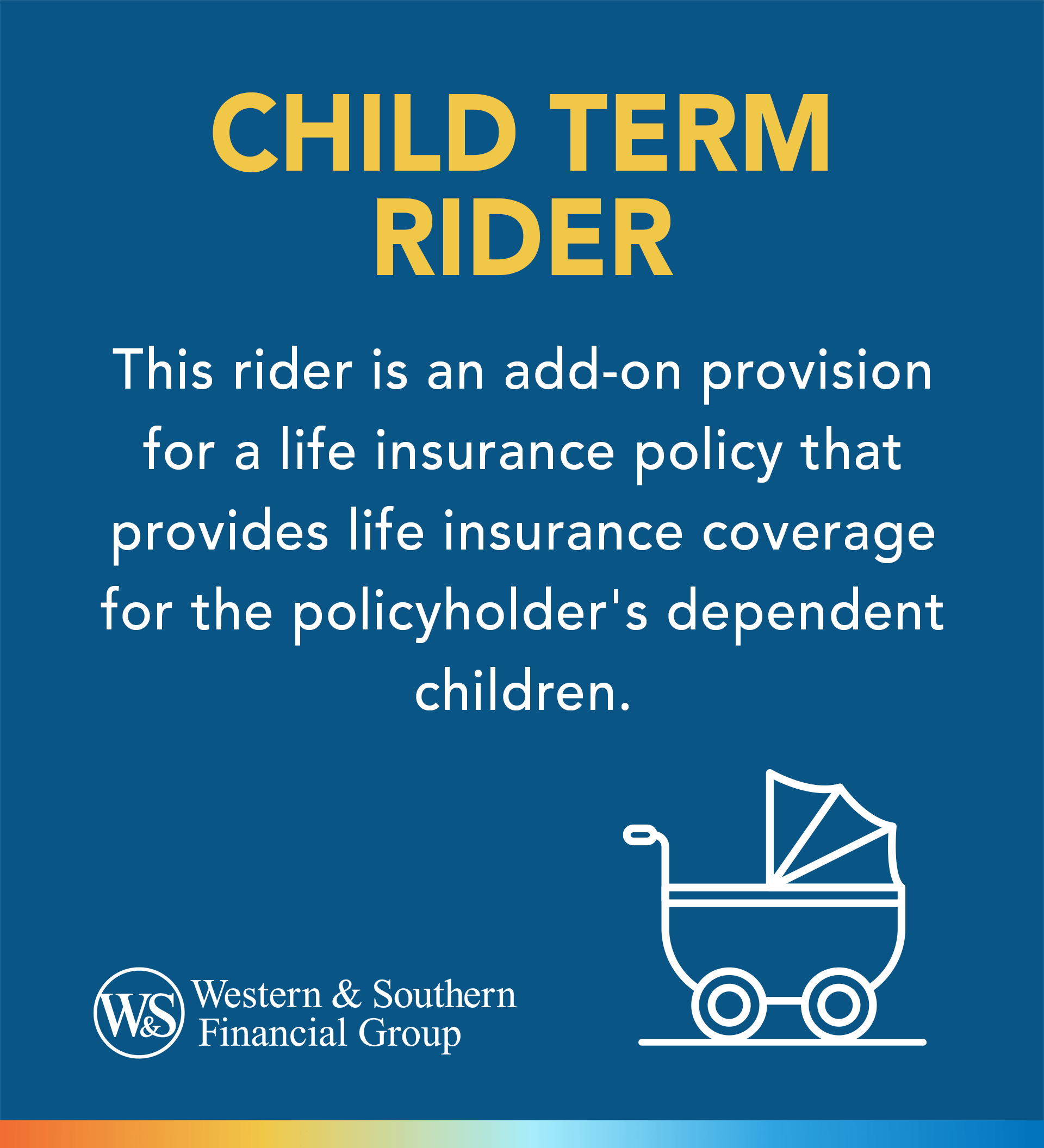
A child rider on a life insurance policy is an optional add-on that provides coverage for a policyholder’s children under a primary life insurance policy, usually at a low additional cost.
This rider typically covers biological, adopted, and sometimes stepchildren within a specified age range, often from birth up to age 21 or 25 if they are full-time students. The coverage amount is generally modest, ranging from $5,000 to $25,000 per child, and is intended to help cover final expenses such as funeral costs or medical bills in the event of a child’s unexpected death.
One of the main advantages is that the child is covered without requiring a separate application or medical examination, making it a convenient and affordable option for parents who want to ensure financial protection for their family.
 Insurance For Towing Business
How Does a Child Rider Work?
- A child rider is attached to a parent’s or guardian’s permanent or term life insurance policy, extending a small amount of life insurance coverage to their eligible children.
- The coverage is typically issued on a per-child basis but is pooled, meaning the benefit amount covers all children under the rider collectively rather than individually.
- If a covered child passes away, the insurance company pays the death benefit specified under the rider, which the policyholder or beneficiary can use for any purpose, including funeral expenses or outstanding medical costs.
What Are the Benefits of Adding a Child Rider?
- One key benefit is affordability, as child riders are generally low-cost additions to an existing policy, sometimes costing just a few dollars per month per child.
- It provides peace of mind for parents by ensuring that financial responsibilities related to a child's death are covered, even if the likelihood of such an event is low.
- Some child riders offer the option to convert the coverage into a permanent life insurance policy when the child reaches adulthood, typically between ages 18 and 25, without requiring evidence of insurability.
What Are the Limitations of a Child Rider?
- Coverage amounts are usually limited, ranging from $1,000 to $25,000, which may not be sufficient for long-term financial planning beyond immediate expenses.
- The rider typically expires when the child reaches a certain age, commonly 18, 21, or 25, depending on the insurer's terms, ending coverage unless converted to an individual policy.
- Not all insurance providers offer child riders, and availability may depend on the type of base policy, the insurer, and state regulations, so it's important to review policy options carefully.
What occurs with a Gerber child rider policy when the insured reaches age 21?
Policy Conversion Options at Age 21
When the insured on a Gerber child rider policy reaches age 21, one of the primary considerations is the availability of conversion options. At this milestone age, the policyholder typically has the opportunity to convert the child rider into a permanent individual life insurance policy without needing to provide additional medical evidence.
This conversion privilege ensures continued coverage as the young adult transitions into financial independence. The exact terms may vary based on the original policy agreement, but conversion is generally allowed within a specific window around the 21st birthday.
- The child rider can often be converted into a whole life or term life policy under the young adult's own name.
- No medical exam or health underwriting is typically required, preserving insurability even if health has changed.
- The conversion must usually be initiated within a defined period, such as 30 to 90 days before or after turning 21.
Upon reaching age 21, the financial structure of the coverage undergoes significant changes. The responsibility for premium payments shifts from the original policyholder (often a parent or guardian) to the insured individual.
Premiums for the new standalone policy are recalculated based on the insured's age, gender, and the selected coverage amount at conversion. These premiums are generally higher than the cost of the original rider due to the increased age and expanded coverage terms. It is essential for the young adult to understand and prepare for these new financial obligations.
- Monthly or annual premiums increase substantially compared to the nominal cost of the child rider.
- The newly converted policy's premium is locked in based on the rate at the time of conversion and does not increase due to future health changes.
- Failure to pay premiums after conversion may result in lapse of coverage, with no possibility of reinstatement under the same terms.
End of Rider Coverage if Not Converted
If no action is taken by the policyholder or the insured when the child reaches age 21, the child rider automatically terminates. The rider cannot remain attached to the original life insurance policy beyond this age limit.
Once terminated, the coverage is no longer in force and cannot be reinstated retroactively. This means the individual loses any life insurance protection provided under the rider unless they have initiated the conversion process within the allowed timeframe. It’s crucial to monitor the policy timeline to avoid a coverage gap.
- The rider ceases to exist as a component of the parent's or guardian's life insurance policy after the 21st birthday.
- No death benefit will be paid under the rider if the insured passes away after the termination date and no conversion occurred.
- Proactive communication with the insurance carrier well before age 21 is recommended to ensure timely action and uninterrupted coverage.
What are the benefits of adding a child term rider to a life insurance policy?

Affordable Coverage for All Your Children
Adding a child term rider to a life insurance policy provides cost-effective protection for all your children under a single, low-premium add-on. Unlike purchasing individual policies for each child, which can be expensive and administratively cumbersome, a child rider typically covers multiple children for a minimal increase in the overall premium.
This makes it a financially sensible option for parents who want to ensure every child is protected without straining their budget. Additionally, since the cost is locked in at the time of enrollment, families benefit from long-term savings even as the children grow older and health conditions may arise.
- Inclusion of multiple children for a small flat fee, often less than $10 per month
- No need for separate applications or medical exams for each child
- Premiums remain level regardless of the number of children covered
Future Insurability Protection
One of the most significant benefits of a child term rider is the potential to secure future insurability for your child, even if they develop health issues later in life. Most child riders include a conversion option that allows the coverage to be converted into a permanent life insurance policy when the child reaches adulthood—typically between ages 18 and 25.
This conversion can occur without requiring a new medical exam or health underwriting, which means the child can obtain insurance regardless of any pre-existing conditions that may have developed. This ensures lifelong financial protection and peace of mind for both parents and children.
- Conversion privileges usually allow the child to transition to a permanent policy without proof of insurability
- The converted policy locks in coverage at guaranteed rates based on the child’s original age
- Provides a foundation for financial planning, such as covering future debts, mortgages, or income replacement
Emotional and Financial Support During Hardship
While no parent expects to outlive their child, a child term rider provides a small death benefit—typically ranging from $5,000 to $25,000—that can help cover unexpected funeral expenses, medical bills, or other costs associated with the loss of a child.
This financial cushion allows grieving families to focus on emotional healing without the added burden of immediate out-of-pocket expenses. The death benefit is paid directly to the policyholder (usually the parent), offering immediate liquidity during a difficult time and helping maintain financial stability.
- Covers immediate end-of-life expenses such as funeral services and burial costs
- Eliminates the need for families to dip into savings or take on debt during emotional distress
- Provides a structured way to manage unforeseen financial obligations tied to the child’s passing
What happens to a child rider life insurance policy when the child reaches 18?
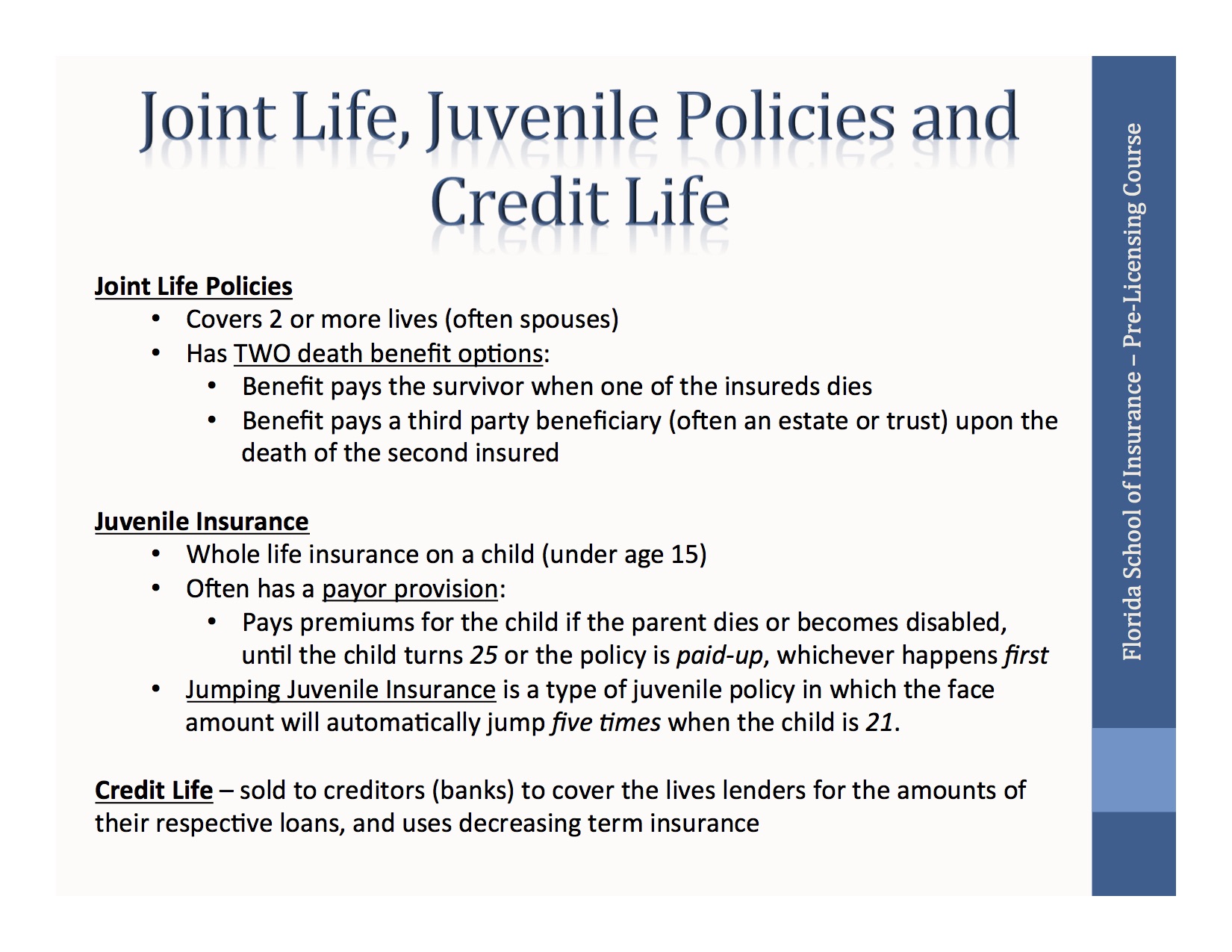
When a child reaches 18, the child rider life insurance policy typically undergoes significant changes, as most child riders are designed as temporary, supplementary coverage attached to a parent’s or guardian’s life insurance policy.
These riders usually provide a small death benefit if the insured child passes away before a certain age—commonly until age 18, 19, or 21, depending on the insurance company and policy terms.
Upon reaching adulthood, the rider does not automatically continue as a permanent life insurance policy for the young adult. Instead, it usually terminates, or the policyholder may have the option to convert the benefit into a permanent life insurance policy in the child’s name under specific conditions.
Policy Expiration or Termination at Age 18
- Most child rider policies are structured to end when the child reaches a certain age, typically 18 or 21. At this point, the rider is no longer active, and coverage ceases.
- Since child riders are not standalone policies but additions to a parent’s life insurance, they do not continue offering protection unless explicitly converted.
- Once the rider expires, there is no further death benefit payable upon the child’s death under that rider, and no refunds or payouts are issued simply because the term ended.
Conversion Options to Permanent Life Insurance
- Many insurers offer a conversion privilege, allowing the young adult to convert the value of the rider into a permanent life insurance policy—such as whole life or universal life—without requiring a new medical exam.
- The converted policy is typically based on the child’s age at the time of conversion, which affects the premium cost, and the coverage amount may be limited to a multiple of the original rider benefit.
- This option must usually be exercised within a specific window—often within a few years after the rider ends or before the individual reaches age 25—so timely action is important.
Impact on the Parent’s Primary Life Insurance Policy
- The expiration or conversion of the child rider does not affect the parent’s primary life insurance policy, which remains active as long as premiums are paid and terms are met.
- The cost of the child rider, often a small flat fee added to the parent’s premium, will be removed from future billing once the rider is terminated.
- Policyholders should review their policy documents or contact their insurer to understand exact terms, including deadlines for conversion and available options, ensuring informed decisions are made at the appropriate time.
Frequently Asked Questions
What is child rider life insurance?
Child rider life insurance is an optional addition to a parent’s or guardian’s life insurance policy that provides coverage for their children. It typically offers a small death benefit if a covered child passes away. The rider is cost-effective and can cover multiple children under one policy. It’s designed to help families manage unexpected funeral costs or other expenses after a child’s death.
How does a child rider work on a life insurance policy?
A child rider attaches to a parent’s life insurance policy and extends coverage to their children. If a covered child dies, the insurer pays a death benefit, usually ranging from $5,000 to $25,000. The rider often covers all children under a certain age, regardless of the number. Premiums are typically low, and coverage can sometimes be converted to a permanent policy when the child becomes an adult.
Can I add a child rider to any life insurance policy?
Most term and permanent life insurance policies allow the addition of a child rider, but availability depends on the insurer and specific policy terms. Not all providers offer this option, so it’s important to check with your insurer. If eligible, the rider can usually be added during the initial application or in a policy review period. It’s a flexible way to extend protection to dependent children.
Is child rider life insurance worth it?
Child rider life insurance is often considered worth it due to its low cost and emotional protection it offers. It helps cover funeral and related expenses if a child passes away. While the likelihood of a child’s death is low, the rider provides peace of mind. Additionally, some policies allow conversion to individual coverage later, which may benefit the child as an adult without requiring a new medical exam.
Leave a Reply