
Do I Need Special Insurance For A Cruise

Going on a cruise can be a dream vacation, but one question often arises: do you need special insurance? While standard travel insurance may cover some aspects of a cruise, it’s important to understand that cruising comes with unique risks—like missed port departures, itinerary changes, or medical emergencies at sea.
Cruise-specific insurance often provides more comprehensive protection, including coverage for cruise line fees, emergency evacuations from ships, and even hurricanes disrupting sailings. Some policies also offer 24/7 assistance while onboard. Without adequate coverage, unexpected events could lead to significant out-of-pocket costs. Understanding your options ensures a smoother, safer journey on the open water.
Do I Need Special Insurance For A Cruise?
When planning a cruise vacation, one of the most important considerations is whether you need special insurance to protect your investment and ensure peace of mind.
 Does Condo Insurance Cover Special Assessments
While cruise lines typically provide basic coverage for accidents aboard the ship, this often does not extend to trip cancellations, medical emergencies, missed port connections, or travel delays. As a result, many travelers opt for cruise-specific travel insurance or comprehensive travel insurance policies that include features tailored to cruise travel.
These plans can cover a wide range of unforeseen events, including illness, natural disasters, travel supplier bankruptcy, and even emergency evacuations from remote ports. Evaluating your existing coverage—such as health insurance, credit card benefits, or homeowners’ policies—is essential to determine if gaps exist that a specialized cruise insurance policy could fill.
What Does Standard Travel Insurance Cover on a Cruise?
Standard travel insurance plans typically include coverage for trip cancellation or interruption, emergency medical expenses, lost or delayed baggage, and travel delays due to weather or mechanical issues.
On a cruise, these benefits are often applicable both before boarding and during the trip, including time spent at sea or in foreign ports. However, not all policies treat cruises the same—for example, some may exclude coverage if a cruise travels through a region under a government-issued travel advisory.
 Does Special Event Insurance Cover Weather
It's essential to confirm that your policy explicitly covers cruise-specific scenarios, such as missing a port due to a delayed connecting flight or requiring a medical evacuation from a remote island. Always look for plans that offer 24/7 assistance and clearly outline how coverage applies throughout all legs of your cruise journey.
When Is Cruise-Only Insurance Worth It?
Cruise-only insurance is worth considering if you're taking multiple cruises per year, booking a destination with higher health risks or political instability, or traveling during hurricane season.
These specialized policies are often designed to address the unique risks of sea travel, such as itinerary changes due to weather, missed embarkation, or shipboard medical emergencies. Some plans also offer coverage for cancel for any reason (CFAR) upgrades, which provide greater flexibility if your plans change unexpectedly.
If your existing comprehensive insurance doesn't fully cover cruise-specific situations or your cruise line’s protection plan is limited, then investing in cruise-tailored insurance can provide valuable peace of mind and financial protection against unforeseen disruptions.
 How Much Is Special Event Liability Insurance
How to Choose the Right Insurance for Your Cruise
Choosing the right insurance for your cruise involves comparing policies based on coverage limits, exclusions, and price, while ensuring the plan aligns with your itinerary and personal risk factors.
Start by reviewing what your credit card offers, as some premium cards include trip protection or travel insurance perks that may already cover certain aspects of your cruise. Next, look for policies that include 24/7 travel assistance, emergency medical evacuation, and coverage for pre-existing conditions if applicable.
Reading customer reviews and checking the insurer’s reputation for handling claims efficiently—especially in emergency medical or evacuation situations—is also crucial. Since cruise travel involves multiple locations and complex logistics, selecting a plan with robust international coverage and specific benefits for cruise passengers is essential.
| Coverage Type | Typical Inclusions | Cruise-Specific Considerations |
|---|---|---|
| Trip Cancellation/Interruption | Reimbursement for non-refundable expenses if you cancel before departure or cut the trip short | Applies if port is skipped, cruise changes itinerary, or you're unable to board due to flight delays |
| Medical Coverage | Emergency treatment, hospital stays, and doctor visits during travel | Should cover treatment on the ship or in foreign ports; verify if evacuation from a cruise ship is included |
| Baggage & Delay | Reimbursement for lost, stolen, or delayed luggage | Important if your luggage doesn’t arrive at embarkation; may cover essentials purchased during delay |
| Travel Delay | Reimbursement for meals and accommodations due to delayed flights or weather | Critical if connecting flight delay causes you to miss the ship’s departure |
| Cancel for Any Reason (CFAR) | Partial refund (usually 50–75%) if you cancel without a covered reason | Must be purchased early; added flexibility for non-emergency personal changes |
Do I Need Special Insurance for a Cruise? A Complete Guide
Do You Need Cruise-Specific Insurance for Your Trip?

 Do Off Grid Homes Require Special Insurance
What Does Standard Travel Insurance Cover on a Cruise?
Standard travel insurance policies often provide a base level of protection that may apply to cruise trips, but coverage can vary significantly depending on the provider and plan. These policies typically include benefits like reimbursement for trip cancellations or interruptions due to illness, severe weather, or unexpected family emergencies.
They may also cover emergency medical expenses, lost luggage, and emergency evacuation. However, when it comes to cruises, certain limitations become apparent. For instance, some standard plans do not fully account for cruise-specific events, such as a port being skipped, cruise line bankruptcy, or being quarantined onboard due to illness outbreaks.
- Medical emergencies while onboard or at sea are usually covered, but the extent depends on whether the insurer recognizes maritime treatment as eligible
- Trip delays caused by mechanical issues with the ship may be included, but only after a certain wait time, such as 6–12 hours
- Baggage loss or delay coverage applies, but exclusions may arise if the cruise line is responsible and offers compensation
Why Might You Need Cruise-Specific Insurance?
Cruise-specific insurance is designed to address the unique risks associated with cruising, which standard policies may not fully cover. Cruises involve multiple destinations, complex logistics, and maritime-specific hazards, such as norovirus outbreaks, shipboard accidents, or itinerary changes due to weather.
Policies tailored for cruises often include enhanced benefits like coverage for missed port departures due to delayed flights, cabin confinement from contagious illnesses, and cruise line financial default. These specialized plans also typically offer 24/7 assistance services that understand cruise operators’ policies and can help navigate onboard claims or evacuations.
 UK Insurance Brokers Specializing In Risk Management
- Cruise-specific plans may cover missed embarkation if your flight arrives late, a common risk when flying into the departure port on the same day
- Some include cancel for any reason upgrades, allowing partial reimbursement even if the reason for cancellation isn't listed in a standard policy
- Enhanced medical evacuation coverage is often included, critical when treatment requires air ambulance transport from a remote port
How to Choose the Right Insurance for Your Cruise
Selecting the appropriate insurance for your cruise requires careful comparison of policy details, exclusions, and benefit limits. Start by reviewing what your existing coverage—such as credit card insurance, health insurance, or home travel policies—already provides.
Then, evaluate whether gaps exist in areas critical to cruising. Look for policies that explicitly mention cruise travel and confirm coverage for scenarios like itinerary changes, travel supplier insolvency, and medical treatment at sea. Reading customer reviews and checking the insurer’s reputation for claims handling can also help determine reliability in emergencies.
- Compare policies from insurers that specialize in cruise coverage, like Travel Guard Cruise or Allianz Cruise Insurance, to ensure relevant benefits are included
- Verify that pre-existing medical conditions are covered, especially if you or a traveling companion has health concerns
- Ensure the policy covers all destinations on your cruise, including remote or high-risk regions where standard plans may limit assistance
What insurance coverage is required for a cruise vacation?

Medical and Emergency Coverage
When traveling on a cruise, access to medical care can be limited, especially when sailing internationally or in remote regions. It's essential to have insurance that covers medical emergencies that may occur during the voyage.
Most standard health insurance plans may not provide full coverage outside your home country, making supplemental travel insurance crucial. Cruise lines often have infirmaries onboard, but treatment can be expensive and may not meet the standards of land-based facilities.
- Ensure your policy covers emergency medical treatment onboard and in foreign ports, including consultations, medications, and hospitalization.
- Verify that emergency medical evacuation is included, as being airlifted from a ship to a shore-based hospital can incur costs in the tens of thousands of dollars.
- Confirm that pre-existing medical conditions are covered if you have a waiver or specific rider, especially for older travelers or those with chronic health issues.
Interruption and Cancellation Protection
Cruise vacations involve significant upfront costs, and unforeseen circumstances such as illness, severe weather, or family emergencies can force you to cancel or cut your trip short.
Without proper insurance, you could lose hundreds or even thousands of dollars in non-refundable expenses. Travel insurance designed for cruises typically offers cancellation and interruption benefits that reimburse you for prepaid, non-refundable costs.
- Choose a plan that includes coverage for trip cancellation due to illness, injury, or death of the traveler or an immediate family member.
- Look for protection against cruise line-initiated cancellations, such as mechanical failures or itinerary changes due to hurricanes or pandemics.
- Check whether the plan reimburses expenses if you miss your departure due to flight delays or other covered reasons, which is common when flying to the port before boarding.
Baggage and Personal Belongings Protection
During a cruise, your luggage may be delayed, lost, or damaged during transit to and from the port or while in the care of the cruise line. Additionally, theft of personal items such as cameras, jewelry, or electronics can occur onboard. Travel insurance can provide financial reimbursement for lost or damaged belongings, helping mitigate the inconvenience.
- Select a policy that covers loss, theft, or damage to personal items, with reasonable claim limits and minimal exclusions for high-value items.
- Ensure baggage delay coverage is included, as this can reimburse you for essential purchases like clothing and toiletries if your luggage arrives late.
- Keep records of valuable items by storing serial numbers and photos, and check if your homeowners or renters insurance extends to temporary travel situations, potentially reducing gaps in coverage.
Is regular travel insurance sufficient for a cruise, or is cruise-specific coverage required?

Whether regular travel insurance is sufficient for a cruise depends on the policy details and the specific risks associated with cruising. While some standard travel insurance plans offer coverage that extends to cruises, many do not fully address cruise-specific scenarios such as missed port departures, itinerary changes due to weather, medical evacuations from remote waters, or extended stays required due to shipboard delays.
Cruise-specific insurance policies are designed to include these unique exposures and often provide enhanced benefits tailored to maritime travel, including trip interruption due to mechanical breakdowns or hurricanes. It’s crucial to check whether your regular travel insurance includes maritime evacuation, coverage for ports of call, and extended medical benefits in international waters, as these are common requirements during cruise trips.
Key Differences Between Regular and Cruise-Specific Insurance
- Regular travel insurance typically covers common travel disruptions such as flight delays, lost luggage, and emergency medical expenses. However, it may exclude incidents that occur during a cruise, such as being stranded at sea or missing a port departure due to a delayed flight to the embarkation city, unless the policy explicitly includes cruise coverage.
- Cruise-specific insurance usually includes benefits not found in general policies, like coverage for cruise line bankruptcy, itinerary cancellations due to mechanical failure, and missed embarkation because of transportation delays. These policies also often account for the complexities of disembarking at foreign ports and rerouting back home.
- Another major difference lies in medical coverage. On a cruise, access to medical care is limited and evacuation from a ship can be exceptionally costly. Cruise-specific plans are more likely to include medical evacuation from the vessel and repatriation coverage, which may be capped or excluded in standard travel insurance.
Scenarios Where Cruise Insurance Provides Better Protection
- In the event of a hurricane or tropical storm disrupting your cruise route, cruise-specific policies often cover trip interruption, providing reimbursement for unused portions of the cruise and additional lodging or transportation needed. Standard policies may not recognize weather-related itinerary changes as a covered reason unless the entire trip is canceled.
- If mechanical issues on the ship cause significant delays or cancellation of the voyage, cruise-specific insurance typically provides compensation for unused days or emergency expenses incurred while waiting for rebooking. Regular travel insurance may not extend these benefits to mechanical failures at sea.
- Missing the ship’s departure because of a flight delay is a common risk for cruise travelers. Cruise insurance often includes “missed connection” coverage that standard policies do not offer or only provide in limited circumstances, making it a more reliable option for protecting your investment.
Factors to Consider When Choosing Cruise Travel Insurance
- Review whether the policy covers all ports of call, especially if visiting remote or high-risk destinations. Some plans exclude countries with travel advisories, which could leave you unprotected during shore excursions or evacuation from those areas.
- Look for medical and evacuation benefits that explicitly apply to travel on water. Confirm the maximum coverage amount for medical treatment on board or during air ambulance transport from a ship, as costs can be substantial in emergencies.
- Check the financial protection offered if the cruise line cancels the voyage or goes out of business. Not all regular travel insurance policies include supplier default coverage, but cruise-specific plans often do, ensuring you can recover non-refundable payments.
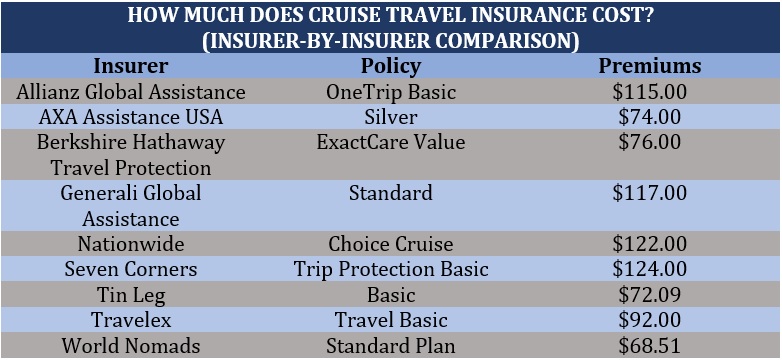
Is Cruise Travel Insurance Worth the Cost Compared to Standard Coverage?
Key Benefits of Cruise-Specific Travel Insurance
Cruise-specific travel insurance often provides coverage tailored to the unique risks associated with cruising, making it a valuable consideration despite the added cost.
Unlike standard travel insurance, cruise insurance typically includes benefits that directly address maritime travel concerns such as missed port departures, cabin confinement due to illness, and itinerary changes caused by weather or mechanical issues.
- Enhanced coverage for cruise interruptions due to medical quarantines or mechanical breakdowns ensures travelers are reimbursed for unused portions or additional costs if a cruise is cut short.
- Protection against missed embarkation, such as compensation when a flight delay prevents connecting to a departing ship, is commonly included in cruise policies but often limited or excluded in standard plans.
- Some policies offer coverage for formal night disruptions or cruise line fees associated with unplanned itinerary changes, which helps maintain peace of mind when cruise logistics go awry.
Differences Between Cruise and Standard Travel Insurance
While standard travel insurance covers general trip risks like lost luggage and medical emergencies abroad, cruise-focused policies provide more robust protections tied to the cruise environment. These differences become evident when analyzing event-specific coverage and geographic limitations.
- Cruise insurance frequently includes medical evacuation from a ship or remote port, a scenario that standard plans may not adequately cover despite high costs involved.
- Emergency medical benefits on cruise policies often extend to care received onboard or in isolated coastal areas, whereas standard insurance may impose tighter restrictions based on location or provider networks.
- Baggage delay and loss coverage in cruise plans may account for the longer turnaround times typical in port locations, offering quicker reimbursement for essential items when luggage is delayed beyond acceptable limits.
Situations Where Standard Insurance Falls Short
Travelers relying solely on standard travel insurance may encounter unexpected gaps when cruise-related incidents occur. Certain scenarios common to sea travel are either partially covered or not addressed at all under general policies, leaving individuals financially exposed.
- Weather-related itinerary changes, such as skipped ports or extended days at sea, are often not considered covered reasons for trip interruption under standard plans, whereas cruise insurance may offer trip delay or interruption benefits in these cases.
- Limited coverage for pre-departure issues like travel delays caused by severe weather preventing guests from reaching the port highlights a shortcoming in standard policies that cruise-specific insurance typically addresses.
- Illness requiring a passenger to be confined to their cabin may not qualify for trip interruption in a standard policy, even though the traveler is unable to use prepaid shore excursions or onboard amenities—cruise plans may include cabin confinement as a valid claim reason.
Frequently Asked Questions
Do I need special insurance for a cruise?
Yes, it's highly recommended to get travel insurance that covers cruise-specific risks. Regular health or travel insurance may not include cruise-related issues like missed port departures, cruise line bankruptcy, or medical evacuation from a ship. A good cruise insurance policy typically includes trip cancellation, medical emergencies, baggage loss, and emergency evacuation coverage tailored to maritime travel.
What does cruise insurance typically cover?
Cruise insurance generally covers trip cancellation or interruption, emergency medical expenses, medical evacuation, baggage loss or delay, and travel delays due to weather or mechanical issues. Some policies also cover missed port calls, cruise line default, and trip cancellation due to unforeseen events like illness or natural disasters. Always read the policy details to ensure it addresses your specific cruise needs.
Can I use my regular travel insurance for a cruise?
You can use regular travel insurance for a cruise, but it may not cover all cruise-specific risks. Some standard policies exclude medical care on board, evacuation from a ship, or interruptions due to sea-related delays. Always verify your policy includes coverage for water-based travel, international waters, and potential cruise line issues to avoid unexpected out-of-pocket costs.
When should I buy cruise insurance?
It's best to purchase cruise insurance as soon as you book your trip. Buying early ensures coverage for trip cancellations due to unforeseen events, including illness or supplier bankruptcy. Some insurers also offer bonus benefits like coverage for pre-existing conditions if the policy is purchased within 14–21 days of booking, so timing is important for maximum protection.
Leave a Reply