
Do Pizza Delivery Drivers Need Special Insurance

Pizza delivery drivers play a crucial role in the food service industry, ensuring hot meals reach customers quickly and safely. However, their job involves frequent driving, often during peak traffic hours and in various weather conditions, increasing the risk of accidents.
Standard personal auto insurance typically doesn’t cover accidents that occur during delivery, leaving drivers vulnerable to significant financial liability. This raises an important question: do pizza delivery drivers need special insurance? Understanding the differences between personal, commercial, and hired or non-owned auto insurance is essential for drivers and employers alike to ensure adequate protection on the road.
Do Pizza Delivery Drivers Need Special Insurance?
Pizza delivery drivers play a vital role in the fast-food and restaurant industry, ensuring that meals reach customers promptly and in good condition.
 Do I Need Special Insurance To Deliver Pizza
However, the nature of their work—driving frequently to various locations, often under time pressure—increases the likelihood of accidents and vehicle wear. Standard personal auto insurance policies typically do not cover vehicles used for commercial purposes, which includes food delivery. As a result, pizza delivery drivers often require additional or specialized insurance coverage to remain protected while on the job.
Without appropriate coverage, drivers may be left financially responsible for damages, medical expenses, or lost wages in the event of an accident during a delivery. Understanding the types of coverage available and the legal or employer-specific requirements is essential for anyone considering or currently working in pizza delivery.
Understanding Personal vs. Commercial Auto Insurance
Most personal auto insurance policies are designed for non-commercial use, meaning they cover typical daily activities like commuting, running errands, or driving to social events.
However, when a vehicle is used for commercial purposes—such as delivering food—many insurers consider this a higher risk. In such cases, standard personal policies may exclude coverage during delivery trips, especially between picking up the food and delivering it to the customer. This creates a dangerous coverage gap where drivers are technically on the job but not insured.
 Do I Need Special Insurance To Doordash
Some insurance companies offer a drive other car (DOC) endorsement or a delivery driver rider, which modifies a personal policy to include limited commercial use. Alternatively, drivers may need to obtain a full commercial auto insurance policy, particularly if they are self-employed or own the delivery vehicle outright.
Employer-Provided Coverage and Its Limitations
Many pizza delivery companies state that they provide insurance coverage for their drivers, which offers some peace of mind.
However, this employer-provided insurance often only covers the driver while they are in the process of making a delivery, typically from the restaurant to the customer’s doorstep. It usually does not cover the trip from the driver’s home to the restaurant or any personal detours. Additionally, employer policies may have high deductibles or limited liability coverage, leaving drivers exposed to out-of-pocket costs.
Moreover, not all companies include non-owned vehicles; if the driver uses their own car, the employer’s policy might serve only as secondary coverage. Therefore, relying solely on the company's insurance can be risky, and drivers are encouraged to verify the exact terms and consider purchasing non-owned commercial auto insurance (also known as hired and non-owned auto liability insurance) to fill gaps.
 Do I Need Special Insurance To Drive For Lyft
State Regulations and Insurance Requirements for Delivery Drivers
Insurance requirements for delivery drivers can vary significantly from state to state within the U.S., adding another layer of complexity.
While no state explicitly mandates a special pizza delivery insurance, the way insurers interpret vehicle usage can trigger the need for commercial coverage. For example, in states like California and New York, frequent and repetitive use of a personal vehicle for business activities can be classified as commercial use, invalidating standard policies in the eyes of insurers. Some states require businesses to carry higher liability limits if they operate fleets or employ drivers for delivery purposes.
Drivers should consult their state’s department of insurance to understand local laws and also review their policy documents or speak with their insurance agent to ensure they are compliant. Operating without proper coverage could result in policy cancellation, denied claims, or even legal penalties.
| Insurance Type | Covers Delivery? | Coverage Limits | Best For |
|---|---|---|---|
| Personal Auto Insurance | No (excludes commercial use) | Varies by policy | Personal commuting only |
| Commercial Auto Insurance | Yes | Higher limits available | Self-employed or company-owned vehicles |
| Non-Owned Auto Liability (NOAL) | Yes (as secondary) | Often $1M umbrella | Drivers using personal vehicles for work |
| Employer-Provided Insurance | Limited (only during active delivery) | May have high deductibles | Part-time employees during delivery window |
Do Pizza Delivery Drivers Need Special Insurance? A Comprehensive Guide
What type of insurance is required for pizza delivery drivers?

Personal Auto Insurance and Its Limitations for Delivery Drivers
Personal auto insurance is typically the base coverage most drivers have, but it often doesn't provide adequate protection when used for pizza delivery. Most personal auto policies explicitly exclude coverage for vehicles used in commercial activities, which includes transporting goods for a fee.
If a driver is involved in an accident while delivering pizzas, the insurance company may deny the claim upon discovering the vehicle was being used for business purposes. This leaves the driver financially responsible for damages, medical expenses, and legal fees. To avoid this risk, it's essential for delivery drivers to understand their policy exclusions and consider additional coverage options.
- Personal auto insurance usually covers only non-commercial, personal use of a vehicle.
- Using a car to deliver pizzas may be classified as commercial use, which voids standard coverage.
- Claims can be denied if the insurer determines the vehicle was being used for delivery at the time of an accident.
Commercial Auto Insurance for Full-Time Delivery Drivers
Commercial auto insurance is designed for individuals or businesses that use vehicles for work-related purposes, including food delivery. This type of insurance offers broader protection compared to personal policies and covers liability, collision, and comprehensive damages sustained during delivery activities.
Full-time pizza delivery drivers or those employed by a delivery service that owns the vehicle should generally be covered under their employer’s commercial policy. However, if the driver uses their own vehicle, the employer may still require proof of commercial coverage or add the driver to their policy as an authorized operator.
- Commercial auto insurance covers vehicles used primarily for business, such as regular pizza deliveries.
- It includes higher liability limits and protection for cargo, third-party injuries, and vehicle damage.
- Employers may either provide coverage or require drivers to carry their own commercial policy.
Non-Owner Car Insurance and Delivery Endorsements
For part-time delivery drivers who use their personal vehicles but don’t qualify for a full commercial policy, non-owner car insurance with a delivery endorsement can be a practical solution. Non-owner insurance provides liability coverage when driving a vehicle the individual doesn’t own, but it must be specifically endorsed for delivery use to cover commercial activities.
Adding a delivery or hired auto endorsement to a personal policy can extend existing coverage to include delivery-related risks without needing a full commercial policy. These options are cost-effective and help ensure compliance with both employer requirements and legal regulations.
- Non-owner car insurance offers liability coverage for drivers who don’t own the vehicle they're using.
- A delivery endorsement modifies a personal or non-owner policy to include coverage for food delivery.
- These endorsements bridge the gap between personal use and commercial delivery, reducing financial risk.
Does standard car insurance cover pizza delivery driving, or is specialized coverage required?
Standard personal car insurance policies typically do not cover commercial activities such as pizza delivery driving. When you use your vehicle to deliver food, you are engaging in a commercial use of your personal car, which goes beyond the scope of what is considered “pleasure” or “commuting” use that standard policies are designed to cover. Most auto insurers define personal auto policies as intended for non-commercial, personal transportation.
As a result, if you're involved in an accident while making deliveries and your insurer determines you were working at the time, they may deny the claim. This can leave you financially responsible for vehicle repairs, medical expenses, and third-party liability. To legally and safely perform delivery work, you usually need specialized insurance coverage, such as a commercial auto policy or a rideshare and delivery endorsement if available in your region.
Some insurance companies offer specific add-ons or commercial-use endorsements that extend coverage to delivery drivers, recognizing the growing gig economy. Failing to obtain proper coverage can not only lead to denied claims but also policy cancellation, making future insurance more difficult and expensive to secure.
What Classifies Pizza Delivery as Commercial Use?
- Pizza delivery is considered commercial use because the vehicle is being used to generate income. Any time a vehicle is used to transport goods or people for payment, it shifts from personal to commercial use in the eyes of insurers.
- Insurance companies evaluate risk based on usage patterns. Delivery driving increases the number of miles driven, often during peak traffic hours, and involves frequent stops and starts, all of which heighten the risk of accidents.
- Policy agreements usually include clauses specifying that using a vehicle for business purposes without declaring it voids certain coverages. Not disclosing your delivery activities can lead to claim denials and legal complications after an incident.
Can You Modify a Personal Auto Policy for Delivery Work?
- Some insurance providers allow policyholders to add a business use endorsement or a hired and non-owned auto (HNOA) coverage to their existing personal policy, which can extend protection for delivery-related activities.
- Drivers should proactively contact their insurance agent to disclose their delivery work. Full transparency helps ensure that coverage adjustments are made correctly and avoids accusations of misrepresentation.
- In certain cases, insurers may require a full transition to a commercial auto policy—especially if the vehicle is used exclusively or frequently for deliveries. Commercial policies are tailored for higher liability limits and the increased exposure associated with business driving.
What Are the Risks of Using Personal Insurance for Delivery?
- Driving for delivery with only personal insurance creates significant financial risk. If an accident occurs during a delivery, the insurer may refuse to pay, leaving the driver responsible for all damages and medical costs.
- Denial of a claim due to improper coverage can lead to legal action from injured parties or property owners. Without insurance-backed defense, the driver bears the full burden of legal fees and settlements.
- Sustained use of personal insurance for commercial purposes can result in policy cancellation or non-renewal, affecting the driver’s insurance history and leading to higher premiums with future providers.
Do DoorDash Drivers Need Additional Insurance Coverage?

Does DoorDash Provide Insurance Coverage for Its Drivers?
- DoorDash does offer a level of commercial insurance coverage for its drivers while they are actively working on the platform, particularly during specific stages of the delivery process. This coverage typically begins when a driver accepts a delivery request and continues through the time they drop off the order.
- The insurance provided by DoorDash includes liability coverage, which protects against damages or injuries the driver may cause to others during deliveries. It may also include contingent comprehensive and collision coverage for damage to the driver’s vehicle under certain conditions.
- However, this coverage is not active during all parts of the driving experience. For example, there may be gaps in coverage when a driver is logged into the app but hasn’t accepted a delivery, which can leave them exposed if an accident occurs during that window.
What Are the Gaps in Standard Insurance Coverage for Delivery Drivers?
- Personal auto insurance policies are generally designed for non-commercial use, meaning that using a vehicle for food delivery could potentially violate the terms of the policy. If an accident happens while making deliveries, a personal insurer may deny the claim due to the commercial nature of the activity.
- There is often a gray area between personal coverage and gig economy use where standard policies don’t fully apply. This increases the risk for drivers who rely solely on their personal auto insurance while working with DoorDash.
- Another significant gap occurs during periods when drivers are en route to pick up an order but haven’t yet started the delivery portion, as some insurance providers may not consider this part of active work time, leaving the driver potentially underinsured.
Should DoorDash Drivers Consider Additional Insurance Options?
- Many DoorDash drivers benefit from obtaining rideshare or delivery-specific insurance endorsements that extend personal coverage to include gig economy activities. These policies fill the gaps left by both personal auto insurance and the platform’s own coverage.
- Some insurance companies offer specific rideshare policies that activate coverage when the driver is logged into the app, providing protection even before accepting a delivery. This can be critical in maintaining continuous insurance protection.
- Drivers who frequently work for multiple delivery platforms or spend a significant amount of time on the road may find that additional coverage is a cost-effective way to protect their finances in the event of an accident, vehicle damage, or liability claim.
What Is the Average Cost of Insurance for Pizza Delivery Drivers?
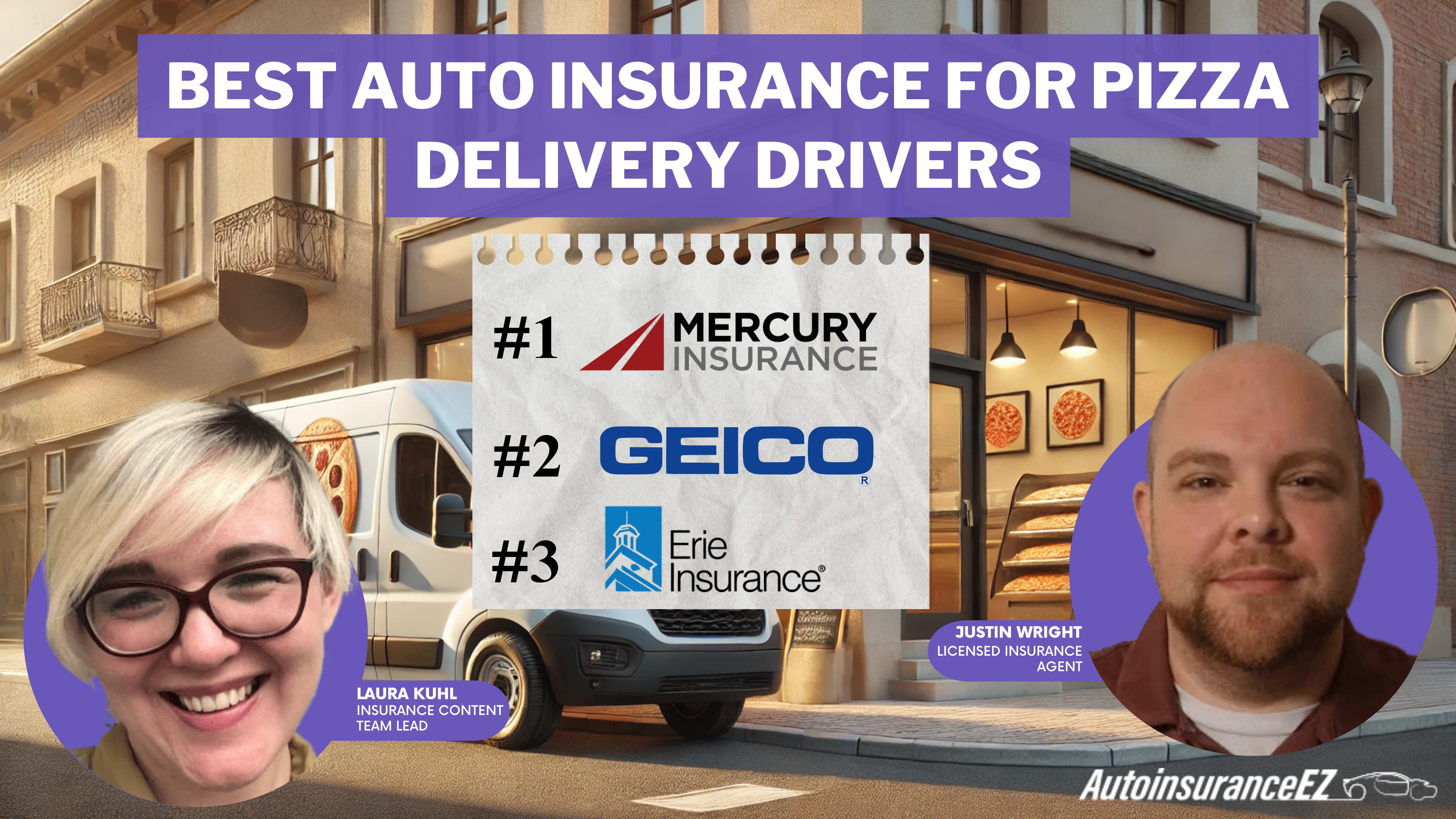
Factors That Influence Insurance Costs for Pizza Delivery Drivers
- One of the primary factors affecting insurance costs is the driver’s personal driving record. Drivers with clean records typically pay lower premiums, while those with traffic violations or prior accidents face higher rates.
- Location plays a significant role, as insurance costs vary widely by state and city. Urban areas with high traffic density and greater accident risks tend to have higher premiums compared to rural areas.
- The type of vehicle used for deliveries also impacts pricing. Newer, more expensive cars generally cost more to insure due to higher repair or replacement expenses, whereas older or less valuable models may reduce premiums.
- On average, pizza delivery drivers can expect to pay between $200 and $600 per month for auto insurance, though this range varies significantly based on individual circumstances.
- Standard personal auto insurance policies often exclude coverage for commercial activities like food delivery, meaning drivers may need to purchase a separate or modified policy to remain covered during deliveries.
- Some insurance companies offer rideshare or delivery endorsements that extend coverage during delivery periods, usually increasing the base premium by 15% to 20%.
How Delivery Driving Affects Risk and Insurer Policies
- Delivery driving is classified as a higher-risk activity because it involves frequent stops, longer driving hours, and navigation through busy areas, all of which increase the likelihood of accidents.
- Many insurers require drivers to disclose that they are using their vehicle for delivery purposes; failing to do so can result in denied claims or policy cancellation.
- Some national chains provide limited insurance coverage for their drivers, but this coverage often has gaps, leaving drivers responsible for additional insurance to ensure full protection.
Frequently Asked Questions
Do pizza delivery drivers need special insurance?
Yes, pizza delivery drivers typically need special insurance because standard personal auto insurance may not cover accidents that occur during delivery. Most personal policies exclude commercial activities, and food delivery is considered commercial use. Without proper coverage, drivers could be personally liable for damages. It's essential to check with your insurer about adding a commercial endorsement or obtaining a commercial policy to stay protected while delivering.
What type of insurance do delivery drivers need?
Delivery drivers generally need either a commercial auto insurance policy or a personal policy with a hired and non-owned auto insurance (HNOA) endorsement. Commercial policies cover vehicles used for business, while HNOA covers drivers using their personal vehicle for work. Some companies provide secondary insurance, but it may not be enough. Drivers should verify coverage details with their employer and insurer to ensure full protection on the job.
Does my personal car insurance cover pizza deliveries?
Most personal car insurance policies do not cover accidents that happen during pizza deliveries. Personal policies are designed for non-commercial use, and using your vehicle to deliver food is considered commercial activity. If you're in an accident while delivering, your claim could be denied. To stay protected, you may need to inform your insurer and add a business use endorsement or obtain a commercial policy.
Can my employer’s insurance protect me while delivering?
Employer-provided insurance may offer some protection, but it's often secondary coverage and might not fully protect you. Many pizza chains have liability insurance, but it may not cover damage to your vehicle or injuries you sustain. Relying solely on employer insurance can leave gaps in coverage. Drivers should carry their own appropriate insurance—either commercial or with a business use endorsement—to ensure comprehensive protection during deliveries.
Leave a Reply