
What Is An Insurance Special Needs Plan

A Special Needs Plan (SNP) is a type of Medicare Advantage plan designed specifically for individuals with certain chronic or disabling conditions. These plans tailor their benefits, provider choices, and drug formularies to meet the unique needs of enrollees who have specific medical conditions or who reside in institutions.
SNPs are particularly valuable for those dually eligible for Medicare and Medicaid, offering coordinated care that addresses both medical and social needs. By focusing on a specific population, SNPs aim to improve health outcomes, reduce hospitalizations, and enhance overall quality of life through personalized care management and specialized support services.
What Is An Insurance Special Needs Plan?
An Insurance Special Needs Plan (SNP) is a type of Medicare Advantage Plan (Part C) specifically designed for individuals with certain chronic health conditions, disabilities, or those who reside in institutions such as nursing homes.
 Do I Need Special Travel Insurance When Pregnant
These plans tailor their benefits, provider networks, and drug formularies to meet the unique health care needs of their members. SNPs are required by the Centers for Medicare & Medicaid Services (CMS) to coordinate care through a dedicated care team, ensuring that enrollees receive comprehensive, targeted treatment.
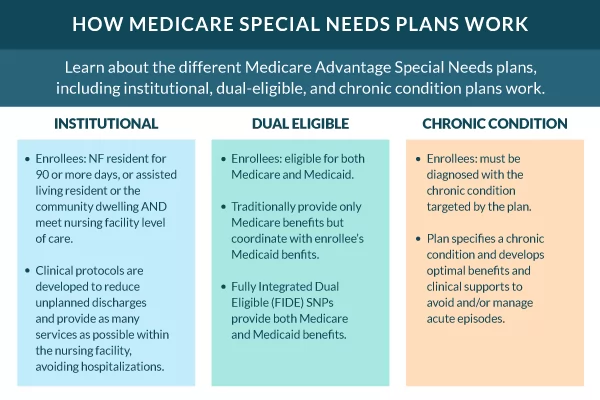
There are three main types of SNPs: Chronic Condition SNPs (C-SNPs), Institutional SNPs (I-SNPs), and Dual-Eligible SNPs (D-SNPs) for those enrolled in both Medicare and Medicaid. Membership is limited to individuals who meet specific eligibility criteria, and each plan operates within defined service areas.
Types of Special Needs Plans
There are three primary categories of Special Needs Plans: Chronic Condition SNPs (C-SNPs), Institutional SNPs (I-SNPs), and Dual-Eligible SNPs (D-SNPs). C-SNPs are designed for beneficiaries with specific severe or disabling chronic conditions such as diabetes, end-stage renal disease (ESRD), cardiovascular disorders, or certain mental health disorders.
I-SNPs serve individuals who live in long-term care facilities, receive nursing care at home, or are expected to require institutional care for 90 days or more. D-SNPs are tailored for people who qualify for both Medicare and Medicaid, providing integrated care coordination to help manage the complexity of dual eligibility. Each plan type focuses on customized care interventions to improve health outcomes and reduce unnecessary hospitalizations.
 Do Lyft Drivers Need Special Insurance
Eligibility and Enrollment Requirements
To enroll in a Special Needs Plan, individuals must first be entitled to Medicare Part A and enrolled in Part B.
Eligibility varies depending on the SNP type: those with specific chronic conditions must be diagnosed with a qualifying illness recognized by CMS to join a C-SNP; individuals residing in or expected to need institutional care for at least 90 days are eligible for an I-SNP; and beneficiaries who receive Medicaid benefits in addition to Medicare can enroll in a D-SNP.
Enrollment is typically limited to specific times of the year, such as the Annual Election Period (October 15–December 7) or a Special Enrollment Period if qualifying life events occur. It's important to verify that the plan covers your condition and is available in your geographic area.
Benefits and Care Coordination in SNPs
Special Needs Plans offer targeted benefits that go beyond standard Medicare coverage, including enhanced prescription drug benefits, access to specialized providers, transportation to medical appointments, and wellness programs.
 Do Pizza Delivery Drivers Need Special Insurance
A key component of SNPs is care coordination, where a dedicated care team—often including nurses, social workers, care managers, and behavioral health specialists—works directly with members to manage their health. This team helps develop individualized care plans, monitors treatment adherence, coordinates specialist visits, and reduces gaps in care. By focusing on preventive services and chronic disease management, SNPs aim to improve quality of life, reduce hospital admissions, and increase patient satisfaction.
| SNP Type | Target Population | Key Features |
|---|---|---|
| Chronic Condition SNP (C-SNP) | Individuals with severe chronic conditions (e.g., ESRD, diabetes, HIV/AIDS) | Specialized formularies, chronic disease management programs, care coordination |
| Institutional SNP (I-SNP) | Those living in nursing homes or requiring long-term institutional care | Integrated care between facility staff and plan providers, medication management |
| Dual-Eligible SNP (D-SNP) | Individuals enrolled in both Medicare and Medicaid | Bundled benefits, social services support, reduced out-of-pocket costs |
Understanding Insurance Special Needs Plans: A Comprehensive Guide
What services are included in a Special Needs Plan (SNP) under Medicare?
Core Medicare Benefits Included in Special Needs Plans
Special Needs Plans (SNPs) are a type of Medicare Advantage Plan (Part C) that provide all the benefits covered under Original Medicare (Part A and Part B). These include hospitalization, skilled nursing facility care, home health services, outpatient care, preventive screenings, doctor visits, durable medical equipment, and mental health services.
SNPs ensure that beneficiaries receive consistent coverage similar to traditional Medicare but are structured to meet the specific needs of targeted groups. Because SNPs are required to offer at least the same level of coverage as Original Medicare, enrollees can expect comprehensive access to medically necessary services without gaps in essential care.
 Do Uber Drivers Need Special Car Insurance
- Hospital insurance (Medicare Part A) covering inpatient care and related services
- Medical insurance (Medicare Part B) including physician visits and diagnostic tests
- Preventive services such as flu shots, cancer screenings, and annual wellness visits
Additional Benefits Tailored to Specific Populations
One of the defining features of SNPs is their ability to offer extra benefits that go beyond Original Medicare, customized to the needs of the population they serve. For instance, Dual-Eligible SNPs (D-SNPs) cater to individuals eligible for both Medicare and Medicaid, providing enhanced support such as dental care, vision services, hearing aids, and transportation to medical appointments.
Institutional SNPs (I-SNPs) focus on individuals residing in long-term care facilities and may include 24/7 nursing care coordination, medication management, and access to specialized providers. These targeted benefits help address social determinants of health and improve health outcomes by removing barriers to care.
- Dental services including cleanings, fillings, and dentures
- Vision care such as eye exams and prescription glasses
- Non-emergency medical transportation and meal delivery for eligible members
Enhanced Care Coordination and Chronic Disease Management
SNPs place a strong emphasis on care coordination, especially for enrollees with chronic or disabling conditions. These plans typically assign a care coordinator or case manager to oversee the beneficiary’s health care, ensuring seamless communication between specialists, primary care providers, pharmacies, and social services.
Chronic conditions like diabetes, congestive heart failure, end-stage renal disease, and HIV/AIDS are proactively managed through personalized care plans, medication adherence programs, regular check-ins, and access to disease-specific support resources. This integrated approach helps reduce hospitalizations and emergency room visits by addressing health issues before they become severe.
 Do Uber Drivers Need Special Insurance
- Personalized care plans developed in collaboration with the patient and care team
- Regular health assessments and follow-ups to monitor chronic conditions
- Medication therapy management to optimize drug use and prevent interactions
What is the best health insurance for children with special needs under a Special Needs Plan?

What Is a Special Needs Plan (SNP) and How Does It Benefit Children?
- A Special Needs Plan (SNP) is a type of Medicare Advantage plan designed specifically for individuals with chronic or disabling conditions, including children who qualify under certain programs. These plans coordinate care through a network of providers experienced in treating complex health issues.
- SNPs offer tailored benefits that go beyond standard insurance coverage, such as behavioral health services, specialized therapies, and care management support. For children with special needs, this means access to a care team that understands developmental disorders, physical disabilities, and other ongoing health challenges.
- Children who are dually eligible for Medicare and Medicaid often receive the most comprehensive benefits under an SNP. These plans integrate medical, behavioral, and social services into a unified care strategy, improving outcomes and reducing gaps in treatment.
Top Health Insurance Options for Children with Special Needs Under an SNP
- Medicare Advantage SNPs are among the best options for children who qualify, especially those with chronic conditions like cerebral palsy, autism spectrum disorder, or severe asthma. These plans focus on condition-specific care coordination and often include home health services, durable medical equipment, and mental health support.
- State Medicaid programs with wrap-around SNP coverage provide extensive benefits for low-income families. Many states partner with private insurers to offer SNP-like plans that include therapies such as speech, occupational, and physical rehabilitation, along with transportation to medical appointments.
- Some commercial insurers offer SNP-inspired products for children under the Children's Health Insurance Program (CHIP), particularly in states with robust developmental disability support systems. These plans emphasize early intervention, which is critical for improving long-term functioning in children with special needs.
How to Choose the Right SNP-Based Insurance for a Child with Special Needs
- Begin by confirming the child’s eligibility for Medicare or Medicaid, as most SNPs are only available to individuals enrolled in these public programs. Children with severe disabilities may qualify for Supplemental Security Income (SSI), which often leads to Medicaid and Medicare coverage.
- Review the plan’s network of providers, particularly specialists such as pediatric neurologists, developmental therapists, and behavioral health clinicians. A narrow network may limit access, so ensure that current healthcare providers are included or that the plan supports out-of-network referrals when necessary.
- Examine the specifics of covered services, including frequency limits on therapies, prior authorization requirements, and availability of home and community-based services. A plan with strong case management and individualized care planning will better support the child’s unique medical and developmental needs.
Frequently Asked Questions
What Is an Insurance Special Needs Plan (SNP)?
A Special Needs Plan (SNP) is a type of Medicare Advantage plan designed for individuals with specific chronic health conditions, disabilities, or those who live in institutions. SNPs tailor benefits, provider choices, and drug formularies to meet the unique needs of their enrollees. They aim to improve care coordination and health outcomes by focusing on targeted populations with specialized medical requirements.
Who Is Eligible for a Special Needs Plan?
To qualify for a Special Needs Plan, individuals must be eligible for Medicare and meet specific criteria depending on the SNP type. This includes having certain chronic conditions (like diabetes or heart failure), being dually eligible for Medicare and Medicaid, or residing in a long-term care facility. Each SNP has defined eligibility requirements to ensure services match the needs of the target population.
What Types of Special Needs Plans Are Available?
There are three main types of SNPs: Chronic Condition SNPs (C-SNPs) for people with specific diseases, Institutional SNPs (I-SNPs) for those living in long-term care facilities, and Dual-Eligible SNPs (D-SNPs) for individuals enrolled in both Medicare and Medicaid. Each type provides customized care and services aligned with the unique needs of its members.
How Do Special Needs Plans Improve Patient Care?
Special Needs Plans improve patient care by offering targeted benefits, specialized providers, and coordinated care management. They focus on disease prevention, medication adherence, and regular monitoring tailored to enrollees’ conditions. This integrated approach helps reduce hospitalizations, enhances treatment effectiveness, and supports better long-term health outcomes for individuals with complex medical needs.
Leave a Reply