
Can Someone With Cancer Get Life Insurance

Being diagnosed with cancer raises many concerns, including financial security for loved ones. One common question is whether it’s possible to obtain life insurance after a cancer diagnosis.
While it may be more challenging, the answer isn't always no. Advances in treatment and a better understanding of cancer types have led some insurers to offer coverage under certain conditions.
Eligibility often depends on the type, stage, and treatment history of the cancer, as well as the time since remission. Some individuals may qualify for traditional policies, while others might explore alternative options such as guaranteed issue or group life insurance.
 How To Purchase Workers Compensation Insurance Online For Business
Can Someone With Cancer Get Life Insurance?
Obtaining life insurance after a cancer diagnosis can be challenging, but it is not always impossible. The feasibility largely depends on several factors, including the type of cancer, stage at diagnosis, treatment plan, and the length of time since treatment ended.
While many traditional insurers may deny coverage during active treatment or soon after diagnosis, some specialized policies are designed for people with pre-existing medical conditions. Insurance companies assess risk carefully, and a history of cancer increases perceived risk, which may result in higher premiums, reduced coverage amounts, or exclusions.
However, individuals who are in remission or have successfully completed treatment may qualify for standard or high-risk life insurance policies after a waiting period, typically ranging from two to five years post-treatment. It's essential to work with an experienced agent and to explore multiple insurers to find the most favorable terms.
Types of Life Insurance Available for Cancer Patients
Individuals with a cancer diagnosis may still access several types of life insurance, though options are often limited. Guaranteed issue life insurance is one option that does not require a medical exam or health questions, making it accessible even during or after cancer treatment.
 Insurance Brokers Business
However, these policies usually come with lower death benefits and higher premiums, and they often include a waiting period—typically two to three years—before full benefits are payable. Another alternative is group life insurance offered through an employer, which may not require medical underwriting, allowing someone with cancer to enroll during open enrollment periods.
Some insurers also offer simplified issue policies, where applicants answer a few health questions but do not undergo a full exam. While cancer often triggers denial in these cases, those in long-term remission may still be approved, especially if the cancer was detected early and treated successfully.
Life insurance providers use a detailed underwriting process to evaluate applicants with a history of cancer, focusing on the cancer’s type, stage, treatment response, and recurrence risk. For instance, someone who had early-stage basal cell skin cancer may be viewed as lower risk than a person diagnosed with advanced-stage leukemia.
Insurers typically request medical records, oncology reports, and information about surgeries, chemotherapy, or radiation. They also consider how long the applicant has been in remission—most companies require at least two to five years of cancer-free status before offering standard rates.
 Insurance Business Architecture
Survival rates and prognosis play a major role; cancers with high survival rates, like thyroid or testicular cancer, are more favorably assessed. The age at diagnosis and overall health—including heart health, weight, and lifestyle habits—also influence the final decision and premium pricing.
Strategies to Improve Approval Chances and Secure Coverage
Applicants with a cancer history can take strategic steps to improve their chances of securing life insurance coverage. First, applying during remission significantly increases the likelihood of approval, especially if you’ve completed treatment and have clean follow-up scans.
Second, working with an independent insurance agent who specializes in high-risk cases allows access to multiple insurers, including those more lenient toward cancer survivors. Third, timing matters: waiting a few years after treatment ends can lead to better rates and broader options.
Maintaining a healthy lifestyle, such as not smoking, managing weight, and adhering to medical checkups, also reflects favorably during underwriting. Finally, gathering complete medical documentation in advance—including pathology reports, treatment summaries, and oncologist notes—streamlines the process and demonstrates transparency, which insurers appreciate.
 Insurance Business Strategy
| Insurance Type | Medical Exam Required? | Best For | Key Considerations |
|---|---|---|---|
| Guaranteed Issue | No | Cancer patients currently in treatment or early post-diagnosis | High premiums, low coverage, 2–3 year waiting period for full benefits |
| Simplified Issue | No, but health questions asked | Individuals in remission with mild cancer history | Possible denial for recent or aggressive cancers; higher than standard rates |
| Term or Whole Life (Standard) | Yes | Long-term survivors (typically 5+ years in remission) | Best rates available if approved; requires full underwriting and medical evidence |
| Group Life (Employer-Sponsored) | Usually no | Active employees regardless of health status | Limited coverage; tied to employment; may not be portable |
Can You Get Life Insurance If You Have Cancer? A Comprehensive Guide
What is the cost of life insurance for individuals diagnosed with cancer?
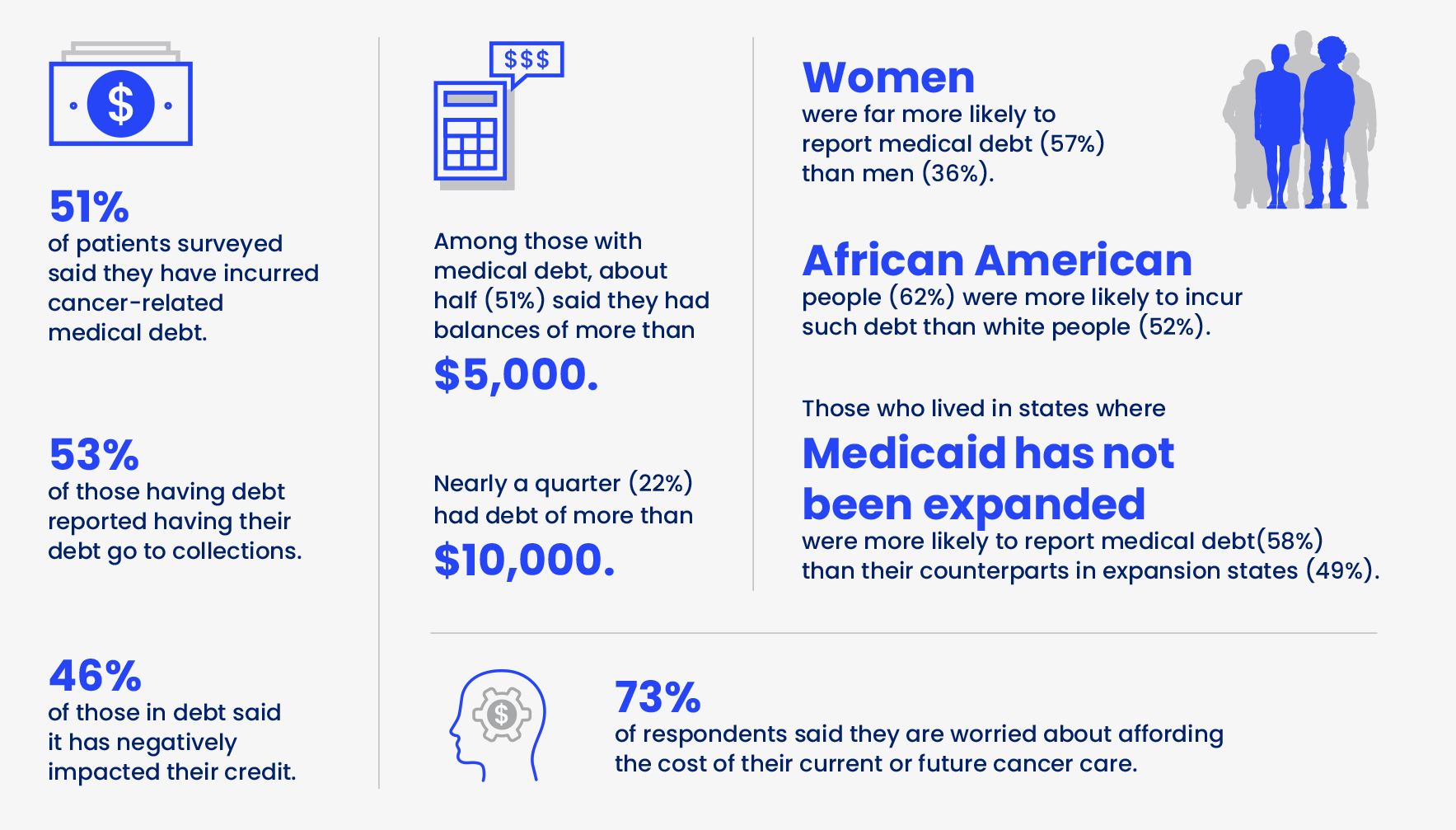
Factors That Influence Life Insurance Costs After a Cancer Diagnosis
- Insurance providers evaluate several critical elements when determining premiums for individuals with a history of cancer. One of the most significant factors is the type of cancer diagnosed. For example, some cancers like basal cell carcinoma, which are typically less aggressive and highly treatable, may result in more favorable rates compared to aggressive forms like pancreatic or lung cancer.
- The stage at which the cancer was detected plays a crucial role in pricing. Early-stage cancers that were successfully treated often lead to better underwriting outcomes. Individuals diagnosed at Stage I or II may qualify for preferred or standard risk classifications after a waiting period, whereas advanced stages usually require longer deferral periods or result in higher premiums.
- Time since remission and ongoing medical treatment are also analyzed. Insurers typically require a cancer-free period ranging from 2 to 5 years before offering traditional life insurance. The longer the remission, the more likely applicants are to receive lower rates, especially if follow-up tests show no recurrence and the individual maintains good overall health.
Types of Life Insurance Available to Cancer Survivors
- Term life insurance is often the most affordable option but may be difficult to obtain shortly after a cancer diagnosis. However, some insurers offer term policies to survivors who have been cancer-free for several years and can provide strong medical documentation supporting long-term remission.
- Guaranteed issue life insurance is a no-medical-exam option available to individuals regardless of health status, including those with active or past cancer. While easier to qualify for, these policies come with significantly higher premiums, lower death benefit limits, and a graded death benefit period, typically two to three years, during which full benefits may not be paid if the insured passes away.
- Group life insurance through an employer does not require medical underwriting in many cases, making it a viable option for some cancer patients or survivors. If available, this coverage can offer competitive rates without health-based pricing, although portability and benefit amounts may be limited if employment ends.
How Underwriting Processes Differ for Cancer Patients
- Traditional underwriting involves a detailed review of medical records, including pathology reports, treatment plans, and recent follow-up results. Insurers analyze how the cancer was treated—such as through surgery, chemotherapy, or radiation—and assess whether treatment has been completed successfully, which directly impacts the risk classification and pricing.
- Some insurance companies specialize in high-risk or substandard underwriting and may offer more favorable terms to cancer survivors than standard insurers. These niche carriers consider individual circumstances more holistically, which can result in better rates for applicants who present strong recovery indicators.
- The application process often includes a paramedical exam and access to prescription drug databases. Disclosing all medical information accurately is essential, as omissions can lead to policy denial or rescission. Providing thorough documentation, including letters from oncologists, can support a stronger case for favorable underwriting decisions and potentially reduce long-term costs.
Frequently Asked Questions
Can someone with cancer qualify for life insurance?
Yes, individuals with cancer can sometimes qualify for life insurance, depending on the type, stage, and treatment outcome. Insurers evaluate each case individually, considering factors like remission status and time since treatment. Some may offer coverage after a certain cancer-free period. While options may be limited and premiums higher, guaranteed issue or group policies might be accessible alternatives for those unable to qualify for traditional coverage.
What types of life insurance are available for cancer patients?
Cancer patients may qualify for guaranteed issue life insurance, which doesn’t require medical questions or exams, though coverage is typically lower and more expensive. Group life insurance through employers is another option, often without medical underwriting. Some insurers may offer traditional policies if the cancer is in remission. Final expense insurance is also common for covering funeral costs, with easier approval but limited death benefits, usually under $25,000.
How does being in remission affect life insurance approval?
Being in remission improves chances of life insurance approval, especially if cancer-free for several years. Insurers usually require a stable remission period—often 2 to 5 years—depending on cancer type and severity. Longer remission generally leads to better rates. Medical records and oncologist reports are typically reviewed. Some applicants may still face higher premiums, but many qualify for preferred or standard rates after sufficient time in remission with no recurrence.
Do I need to disclose my cancer diagnosis when applying?
Yes, you must disclose any cancer diagnosis when applying for life insurance. Omitting this information can result in policy denial or cancellation, even after approval. Insurers access medical records and prescription history, so transparency is crucial. Full disclosure allows for accurate underwriting and prevents future complications for beneficiaries. While a cancer history may affect eligibility or pricing, honesty ensures a valid and enforceable policy.
Leave a Reply