
Do Delivery Drivers Need Special Insurance

Delivery drivers play a crucial role in today’s on-demand economy, transporting goods directly to customers’ doors. However, a critical question arises: do delivery drivers need special insurance? Standard auto insurance policies often don’t cover vehicles used for commercial purposes, leaving drivers vulnerable in the event of an accident.
Rideshare and delivery services may offer some coverage, but gaps remain. Specialized insurance designed for delivery work ensures protection during all stages of a delivery, from picking up orders to drop-offs. Understanding these requirements is essential for drivers to stay protected and compliant.
Do Delivery Drivers Need Special Insurance?
Delivery drivers, particularly those working for food, parcel, or grocery delivery services such as Uber Eats, DoorDash, or Amazon Flex, often use their personal vehicles for commercial purposes. Standard personal auto insurance policies typically do not cover accidents or damages that occur while a driver is actively making deliveries.
 Do I Need Special Travel Insurance When Pregnant
This creates a significant coverage gap during the time between picking up an order and delivering it—a period when drivers are considered to be using their vehicle for business use. As a result, specialized insurance coverage is often necessary to protect delivery drivers from out-of-pocket expenses in the event of an accident, theft, or liability claim.
Without the appropriate policy, drivers could face denied claims, increased premiums, or even policy cancellation. Understanding the distinction between personal and commercial use is crucial to ensuring financial and legal protection while working as a delivery driver.
Understanding the Difference Between Personal and Commercial Use
Standard personal auto insurance policies are designed for non-commercial activities like commuting, running errands, or leisure travel.
However, when a driver accepts a delivery job, their vehicle is being used for commercial purposes, which can invalidate a personal policy during delivery activities. Insurance companies define commercial use as transporting goods or people for compensation, which most delivery platforms qualify under.
 Do Lyft Drivers Need Special Insurance
This means that if an accident occurs while en route to pick up a delivery or while delivering an order, the insurance provider may refuse to pay because the vehicle was not being used solely for personal reasons. Recognizing this shift in vehicle use is key to understanding why personal coverage falls short and why supplemental or commercial policies are recommended.
Types of Insurance Coverage Available for Delivery Drivers
Delivery drivers have several insurance options to consider. Some delivery companies provide limited liability coverage once a delivery is accepted, but this often does not cover damage to the driver’s own vehicle or certain types of medical expenses. Many drivers turn to rideshare endorsements or commercial auto insurance, both of which offer broader protection.
A rideshare endorsement is an add-on to a personal auto policy that extends coverage during specific periods of delivery work. Alternatively, a full commercial auto policy offers the most comprehensive protection but typically comes with a higher premium. Independent third-party insurers also offer delivery-specific insurance policies, tailored to the unique risks associated with food and package delivery services.
How to Choose the Right Insurance for Delivery Driving
Choosing the right insurance involves evaluating the nature of your delivery work, the level of coverage provided by your delivery platform, and the cost of additional policies. Drivers should first review the insurance benefits provided by the delivery company, which usually apply only after accepting a delivery and may exclude gaps between deliveries.
 Do Pizza Delivery Drivers Need Special Insurance
Comparing quotes from insurers offering rideshare or delivery-specific policies can help identify affordable coverage options. It's important to ensure that the policy covers liability, collision, comprehensive damage, and uninsured motorist protection. Speaking with an insurance agent knowledgeable about gig economy work can also help clarify coverage needs and prevent underinsured risks.
| Insurance Type | Covers Delivery Activities? | Key Benefits | Common Limitations |
|---|---|---|---|
| Personal Auto Insurance | No (during delivery) | Low cost, standard coverage for personal use | Excludes commercial use; claims denied during deliveries |
| Rideshare-Style Add-On | Yes (during active delivery) | Affordable upgrade to personal policy; fills coverage gaps | May not cover all delivery platforms; limited to certain hours |
| Commercial Auto Insurance | Yes (fully) | Full protection for business use; comprehensive coverage | Higher premiums; may be excessive for part-time drivers |
Do Delivery Drivers Need Special Insurance? A Comprehensive Guide
What Insurance Coverage Is Required for Delivery Drivers?
Personal Auto Insurance Limitations for Delivery Drivers
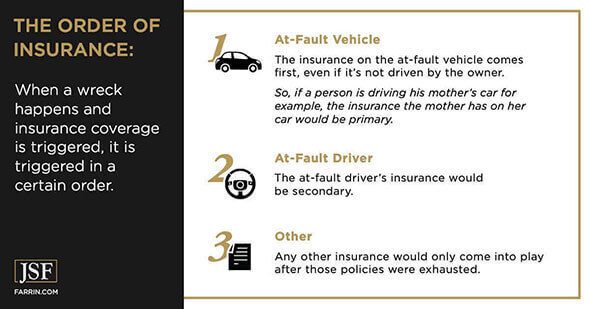
- Most personal auto insurance policies explicitly exclude coverage when a vehicle is used for commercial purposes, such as food or package delivery. This means if an accident occurs while making deliveries, the driver may be personally liable for damages and medical expenses.
- Insurers consider delivery driving a higher risk due to increased mileage, frequent stops, and navigational distractions, all of which elevate the likelihood of accidents. As a result, standard personal policies often deny claims related to delivery activities.
- Some drivers mistakenly believe that using a personal vehicle for gig delivery is covered under their existing policy, but claims investigations typically reveal the commercial use of the vehicle, leading to claim denials and potential policy cancellations.
Commercial Auto Insurance for Delivery Professionals
- Commercial auto insurance is specifically designed for vehicles used in business operations, including delivery services, and offers broader coverage than personal policies. It typically covers liability, property damage, and medical payments arising from delivery-related accidents.
- This type of insurance requires the driver to list their delivery work as a business use on the policy, which can increase premiums but ensures legal and financial protection while on the job. Employers who own delivery fleets are generally required to carry commercial policies for their drivers.
- Key coverages under a commercial auto policy include bodily injury liability, property damage liability, collision, comprehensive, and uninsured/underinsured motorist protection, providing comprehensive safeguards specifically tailored to delivery driving risks.
Rideshare and Delivery Endorsements (Hired Auto & Non-Owned Auto Coverage)
- Some insurance providers offer endorsements or separate policies for gig economy drivers, such as rideshare and delivery coverage. These policies fill the gap between personal and commercial insurance, often covering the period when the driver is logged into a delivery app but has not yet accepted a delivery.
- Hired and non-owned auto (HNOA) insurance is another option, particularly for delivery drivers who use their personal vehicles under contract with delivery platforms. This coverage protects the driver and the delivery company against liability claims when the driver is acting on behalf of the business.
- These specialized policies may include contingent liability coverage that activates when the personal policy does not apply, ensuring protection throughout all phases of delivery work, from app activation to delivery completion.
Do DoorDash delivery drivers need specific insurance coverage?

Does DoorDash Provide Insurance for Delivery Drivers?
- Yes, DoorDash does offer insurance coverage for its delivery drivers, but only during active delivery periods. The coverage applies once a driver accepts an order and lasts until the delivery is completed.
- The company provides commercial liability insurance that includes bodily injury and property damage protection to third parties. This coverage typically kicks in after a driver’s personal auto insurance has been applied first.
- DoorDash partners with licensed insurance carriers to offer this protection, and the level of coverage varies by state and country. Drivers must be logged into the app and have accepted a delivery for the insurance to be active.
Do DoorDash Drivers Need Additional Insurance Beyond Personal Coverage?
- Personal auto insurance policies often exclude coverage for commercial activities, which includes food delivery. This means that using a personal vehicle for DoorDash without supplemental coverage could leave drivers exposed to financial risk.
- Although DoorDash provides insurance during active deliveries, gaps in coverage may occur when drivers are logged in but haven't accepted an order yet. This period may not be covered under DoorDash's policy or the driver's personal insurance.
- To ensure full protection, some drivers choose to purchase a rideshare or delivery-specific endorsement on their personal policy, or a commercial auto insurance policy, especially if delivering frequently.
What Types of Coverage Are Included in DoorDash’s Insurance Policy?
- DoorDash offers contingent liability coverage that includes bodily injury and property damage liability when drivers are actively making deliveries. The limits typically range from $1 million per incident in the U.S.
- The insurance does not cover damage to the driver’s own vehicle or personal medical expenses. Drivers must have collision and comprehensive coverage on their personal policy to repair or replace their vehicle after an accident.
- In addition to liability, DoorDash may provide limited coverage for stolen or damaged goods under certain conditions, but this is not guaranteed. Drivers are encouraged to review their coverage details in the DoorDash app or contact support for specifics.
What Type of Insurance Do Delivery Drivers Need?
 Do Uber Drivers Need Special Car Insurance
Commercial Auto Insurance: The Foundation of Delivery Coverage
Commercial auto insurance is essential for delivery drivers because personal auto policies typically exclude coverage when a vehicle is used for business purposes, especially for transporting goods.
When a driver uses their vehicle to deliver food, packages, or other items, they are operating under a commercial use classification, which requires a specialized insurance policy. Without this coverage, drivers risk being denied claims in the event of an accident that occurs during a delivery.
- Commercial auto insurance covers damages and liabilities arising from accidents that happen while the driver is on-duty, ensuring protection for both the driver and third parties involved.
- It includes higher liability limits than personal policies, which is crucial for covering costs in case of severe accidents involving injuries or property damage.
- Policies can be customized based on the type of vehicle used, delivery radius, and frequency of trips, providing flexibility for both independent contractors and company-employed drivers.
Delivery-Specific Endorsements and Rider Options
Many insurance providers offer endorsements or riders that extend existing commercial or personal policies to include delivery-specific risks.
These additions are particularly useful for gig economy drivers who may not qualify for a full commercial policy but still need coverage beyond what a standard personal policy allows. Such endorsements explicitly recognize that the vehicle is being used to make deliveries, which is normally a gap in standard coverage.
 Do Uber Drivers Need Special Insurance
- A delivery endorsement clarifies that the vehicle’s usage for transporting goods is covered, preventing claim denials due to unauthorized commercial activity.
- These riders often include protection during all phases of delivery, including when the driver is waiting at a restaurant, en route to drop off an order, or returning from a delivery trip.
- Some insurers offer scalable plans that adjust coverage based on active delivery periods, potentially reducing costs when the driver is not working.
General Liability and Uninsured Motorist Coverage for Delivery Professionals
Beyond vehicle damage and third-party liability, delivery drivers should consider additional layers of protection such as general liability and uninsured motorist coverage.
General liability helps if a driver causes property damage unrelated to a collision, such as spilling hot food inside a customer’s home. Uninsured motorist coverage becomes critical in hit-and-run incidents or when the at-fault driver lacks insurance, which is not uncommon on public roads.
- General liability insurance can cover legal fees, medical costs, and settlements if a customer files a claim due to bodily injury or property damage caused during a delivery.
- Uninsured motorist coverage pays for medical expenses and vehicle repairs if the delivery driver is involved in an accident with a driver who has no insurance or insufficient coverage.
- These coverages work in conjunction with commercial auto insurance to create a comprehensive safety net, reducing out-of-pocket costs and financial risks associated with delivery work.
Personal Auto Insurance Limitations for Delivery Drivers
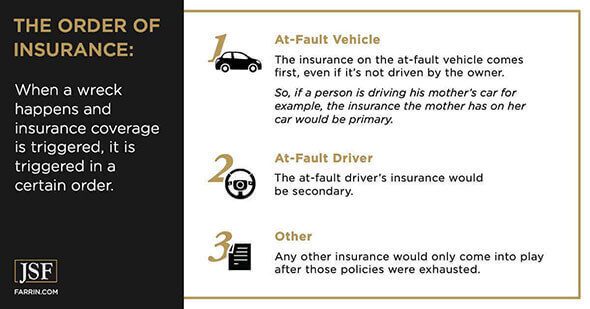
Most standard personal auto insurance policies explicitly exclude coverage when a vehicle is used for commercial purposes, such as rideshare or food delivery. This means that if an accident occurs while actively delivering food or transporting passengers through an app, the driver’s personal policy may deny the claim.
Many drivers mistakenly believe they are covered during all driving activities, but insurers distinguish between personal use and business use. As soon as a delivery app is activated—or when en route to or from a delivery—the vehicle's use shifts to commercial, which typically voids standard coverage. It is crucial for drivers to understand the gaps in protection that their everyday policy does not cover.
- Personal auto policies usually exclude incidents that occur when the vehicle is being used for paid services, such as driving for Uber, Lyft, DoorDash, or similar platforms.
- Even when a delivery driver is waiting for a delivery request, many insurers consider the vehicle to be in commercial use, which may not be covered.
- Drivers risk significant out-of-pocket costs if an accident happens during a delivery and their insurer denies the claim due to commercial use exclusions.
To close the gaps left by personal insurance, specialized insurance options have been developed specifically for rideshare and delivery drivers. Some insurers now offer rideshare insurance add-ons that provide coverage during each phase of a trip, including when the app is on but no passenger or delivery has been accepted.
These policies typically extend liability, collision, and comprehensive coverage during periods when the driver is working. Additionally, some food delivery companies offer limited insurance coverage during specific stages of delivery, but this is usually not a substitute for a dedicated insurance plan. Drivers should consider hybrid policies or commercial auto insurance depending on how frequently they use their vehicle for delivery work.
- Rideshare-specific insurance endorsements can extend personal policies to cover transitional periods when the app is active but a ride or delivery hasn’t been accepted.
- Commercial auto insurance is required for drivers who use their vehicles primarily for delivery; it covers liability and damage regardless of app status.
- Some delivery platforms offer contingent insurance, but it only activates after a personal policy denies the claim and often has strict conditions and coverage limits.
Choosing the Right Coverage Based on Driving Frequency and Platform
The appropriate insurance depends on how often a driver performs deliveries and which platform they use. Occasional drivers might benefit from a rideshare endorsement added to their existing personal policy, which can offer extra protection without the higher cost of commercial insurance.
In contrast, full-time drivers who rely on delivery income should pursue a commercial policy to ensure consistent and comprehensive coverage. It’s also important to verify each platform’s insurance policy details, as coverage varies significantly between companies like Uber, Lyft, Grubhub, and Instacart. Drivers should compare deductibles, liability limits, and exclusions across both personal and business policies before making a decision.
- Part-time drivers may only need a rideshare endorsement if they use their vehicle for personal reasons most of the time and occasionally accept deliveries.
- Full-time drivers should invest in a Business Use or Commercial auto policy to comply with legal requirements and ensure continuous protection.
- Drivers must contact both their insurance provider and the delivery platform to fully understand the coordination of benefits and avoid coverage lapses.
Frequently Asked Questions
Do delivery drivers need special insurance?
Yes, delivery drivers typically need special insurance because standard personal auto policies don’t cover accidents that occur while delivering goods. Delivery activities are considered higher risk due to increased mileage and frequent stops. Without proper coverage, drivers could face significant out-of-pocket expenses. Commercial auto insurance or a rideshare/delivery endorsement is usually required to ensure protection during delivery tasks.
What does delivery driver insurance cover?
Delivery driver insurance generally covers liability for bodily injury and property damage, medical payments, and vehicle damage during delivery activities. It may also include coverage for theft, vandalism, and uninsured motorists. This protection applies from the moment a driver accepts a delivery request. Personal auto policies often exclude this coverage, making specialized insurance essential to avoid financial risk and ensure continuous protection on the job.
Can I use my personal car insurance for food delivery?
No, you cannot rely solely on personal car insurance for food delivery. Most personal policies exclude coverage when the vehicle is used for commercial purposes like deliveries. If you’re involved in an accident while delivering, your claim could be denied. To stay protected, you need a commercial policy or an endorsement that specifically includes delivery use. Always inform your insurer about your delivery activities.
How much does delivery driver insurance cost?
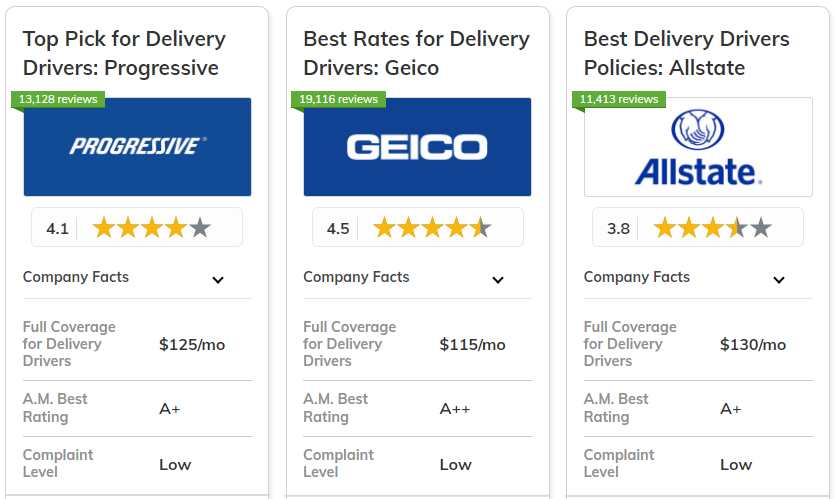
Delivery driver insurance typically costs between $100 and $300 per month, depending on location, vehicle type, driving record, and delivery frequency. Commercial policies are more expensive than personal ones due to higher risk exposure. Some insurers offer usage-based plans or endorsements that may reduce costs. It’s important to compare quotes and ensure the policy fully covers your delivery activities to avoid coverage gaps.
Leave a Reply