
Indexed Universal Life Insurance Lawyer

Indexed Universal Life (IUL) insurance combines permanent coverage with a cash value component linked to market performance, offering potential growth while limiting downside risk. However, complex policy terms, high fees, and aggressive sales practices can lead to disputes between policyholders and insurers. When misrepresentation, bad faith, or administrative errors occur, legal intervention may be necessary.
An Indexed Universal Life insurance lawyer specializes in resolving such conflicts, protecting policyholders' rights, and ensuring fair treatment. These attorneys navigate intricate insurance regulations, review policy documentation, and advocate for clients in negotiations or litigation to recover losses and hold insurers accountable.
What Is an Indexed Universal Life Insurance Lawyer and Why You Might Need One
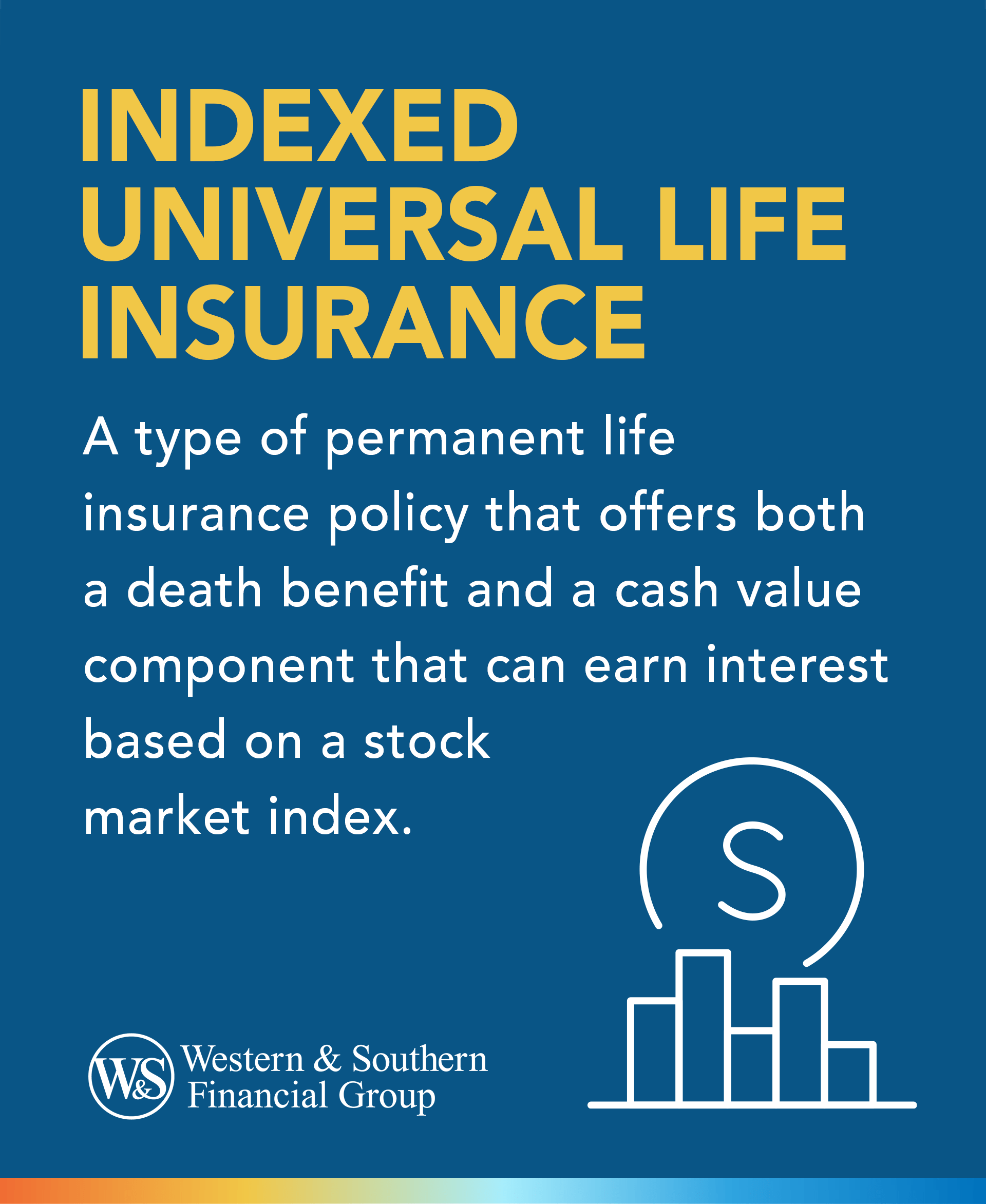
An Indexed Universal Life (IUL) Insurance Lawyer is a legal professional who specializes in the complex area of life insurance, particularly policies that combine permanent coverage with investment options tied to market indices like the S&P 500.
 Best Life Insurance Without 2 Year Waiting Period
These lawyers assist policyholders in understanding the fine print, ensuring compliance with regulations, and representing clients in disputes related to mis-selling, wrongful denials of benefits, or breaches of contract. As IUL policies often involve intricate illustrations, caps, floors, and participation rates, misunderstandings between policyholders and insurers are common.
An experienced IUL insurance lawyer helps bridge this gap by interpreting policy details, challenging unfair practices, and advocating for fair settlements or courtroom judgments when necessary. Whether you are reviewing a policy before purchase or facing a claim denial after a loved one’s passing, consulting with a knowledgeable attorney can protect your financial interests and ensure your rights are upheld.
Common Legal Issues with Indexed Universal Life Insurance Policies
Policyholders often encounter legal challenges related to Indexed Universal Life Insurance due to the product’s complexity and aggressive sales tactics. Frequent issues include misrepresentation of policy performance, where agents promise high returns without disclosing caps or costs that erode value over time.
Another common problem is failure to disclose fees and charges, leading to unexpected premium increases or policy lapses. Insurers may also engage in bad faith practices, such as delaying claims, underpaying benefits, or canceling policies without proper cause. Additionally, inadequate suitability disclosures—failing to determine if the policy fits the client’s financial goals—can form the basis of a legal claim.
 New York Life Insurance Company Brokerage General Agency Imo
An IUL insurance lawyer investigates these claims, gathers evidence like sales recordings and policy documents, and pursues legal remedies such as rescission, restitution, or damages for financial losses incurred due to insurer or agent misconduct.
How an IUL Insurance Lawyer Can Help You Dispute a Claim Denial
When an insurer denies a claim on an Indexed Universal Life policy, an experienced IUL insurance lawyer can act swiftly to challenge the decision and secure the benefits you or your beneficiaries are entitled to.
The denial may be based on alleged misrepresentation, lapse in premium payments, or policy exclusions, but many denials are unjustified or stem from errors in processing. The lawyer will conduct a comprehensive review of the policy language, underwriting documents, and claims history to identify weaknesses in the insurer’s position.
They may uncover instances of estoppel—where the insurer previously accepted premiums despite claimed inaccuracies—or waiver of policy provisions that invalidate the denial. Through negotiation or litigation, the attorney leverages legal precedent and insurance regulations to pressure insurers into resolving the matter fairly, often resulting in overturned denials or favorable settlements.
 Online Life Insurance Prices
Key Factors to Consider When Hiring an IUL Insurance Attorney
Choosing the right attorney to handle your Indexed Universal Life Insurance matter is crucial for achieving a successful outcome.
Look for a lawyer with specific experience in life insurance litigation, particularly cases involving complex products like IUL. They should have a proven track record of handling bad faith claims, policy rescissions, and disputes over agent misconduct. Jurisdiction matters, as insurance laws vary by state, so it’s important to work with someone familiar with local regulations and court procedures.
Transparency in communication, fee structure (many work on contingency), and access to expert witnesses such as actuaries or financial analysts can also impact the strength of your case. A qualified IUL insurance lawyer will offer a free consultation to evaluate your situation and explain your legal options clearly.
| Issue | Description | Legal Remedy |
|---|---|---|
| Misrepresentation by Agent | Agent promised high returns without disclosing caps, fees, or risks. | Rescission of policy, refund of premiums, or damages. |
| Claim Denial | Insurer refuses to pay death benefit based on alleged inaccuracies. | Litigation for breach of contract or bad faith. |
| Policy Lapse Due to Hidden Costs | Premiums increased unexpectedly causing unintentional lapse. | Reinstatement or compensation for financial loss. |
| Unsuitable Sale | Purchased IUL despite being a poor financial fit for the client. | Claim against agent or broker for negligence or fraud. |
Comprehensive Guide to Indexed Universal Life Insurance Legal Assistance
What legal considerations should wealthy individuals be aware of when using Indexed Universal Life insurance?
 Participants Under A Group Life Insurance Plan Are Issued
Tax Implications and Compliance with IRS Regulations
- Indexed Universal Life (IUL) insurance offers tax-deferred cash value growth, which can be a significant advantage for high-net-worth individuals. However, it is critical to ensure the policy complies with IRS definitions of a life insurance contract to maintain its favorable tax treatment. If the policy fails to meet the seven-pay test or other Internal Revenue Code guidelines, it may be reclassified as a Modified Endowment Contract (MEC), leading to adverse tax consequences such as taxable withdrawals and potential penalties.
- Withdrawals and policy loans from the cash value are generally tax-free up to the amount of premiums paid, provided the policy remains a life insurance contract. However, exceeding cost basis or collecting death benefits in non-standard structures (e.g., transfers for value) can trigger taxable events under Section 101(a) and Section 101(g) of the tax code, requiring careful planning to avoid unintended liabilities.
- Wealthy individuals should work with tax professionals to document and justify policy illustrations, funding patterns, and loan strategies. Misrepresentation or aggressive assumptions about index credits can raise red flags with the IRS during audits, especially if the promised returns are inconsistent with actual performance over time.
Estate Planning and Inclusion in the Taxable Estate
- One major legal concern for affluent policyholders is whether the death benefit from an IUL policy will be included in their taxable estate. If the insured retains incidents of ownership—such as the ability to change beneficiaries, borrow against the policy, or surrender it—the entire death benefit may be counted toward the estate, potentially increasing exposure to estate taxes.
- To mitigate estate inclusion, many high-net-worth individuals transfer ownership of the policy to an Irrevocable Life Insurance Trust (ILIT). This legal structure removes the policy from the estate while allowing trust terms to govern the distribution of proceeds, but must be established and funded correctly to comply with federal gift and estate tax rules.
- Transfers of a life insurance policy within three years of death are automatically pulled back into the estate under Section 2035 of the Internal Revenue Code. This rule demands long-term planning, and any restructuring of ownership should occur well in advance of expected mortality to ensure effectiveness.
Use in Wealth Transfer Strategies and Third-Party Ownership Issues
- When IUL policies are used as tools for intergenerational wealth transfer, legal challenges may arise regarding beneficiary designations, policy ownership, and fiduciary responsibilities. Naming minors or financially inexperienced heirs as direct beneficiaries without proper trust guidance can lead to legal complexities upon payout.
- Policies owned by non-natural persons—such as corporations or trusts—may face different regulatory scrutiny, including questions about insurable interest at the time of application. For example, a business purchasing a policy on a key employee must demonstrate a legitimate financial stake in that individual’s life to satisfy state insurance laws.
- Additionally, cross-ownership arrangements among family members, while common in estate planning, must be documented thoroughly to avoid challenges from creditors or disputes among heirs. Proper legal documentation and adherence to state-specific insurance regulations are essential to ensure enforceability and prevent the policy from being set aside in litigation or bankruptcy scenarios.
What is the top-rated Indexed Universal Life insurance company for legal professionals?

The top-rated Indexed Universal Life (IUL) insurance company for legal professionals is widely considered to be Northwestern Mutual. This company consistently earns high ratings from independent agencies such as AM Best, Standard & Poor’s, and Moody’s, reflecting its financial strength and reliability.
For legal professionals—such as attorneys and law firm partners—Northwestern Mutual stands out due to its strong track record in cash value accumulation, policy customization, and tax-advantaged growth potential offered through indexed crediting strategies. Additionally, the company offers personalized underwriting that favors healthy, non-smoking professionals, which many in the legal field qualify for.
Its stable performance over decades, combined with transparent fee structures and a wide range of index options (like the S&P 500), makes it a preferred choice for attorneys seeking long-term wealth preservation, estate planning benefits, and business succession strategies.
 Porting Life Insurance
What Makes Northwestern Mutual a Preferred IUL Provider for Lawyers?
- Northwestern Mutual offers one of the most financially sound platforms for Indexed Universal Life insurance, backed by an AM Best rating of A++, which indicates exceptional ability to meet ongoing obligations—a critical factor for long-term policies.
- The company provides personalized policy designs that cater specifically to high-income earners like attorneys, allowing for flexible premium structures and access to multiple indexed accounts linked to market performance without direct market exposure.
- Legal professionals benefit from Northwestern Mutual’s hybrid planning approach, where IUL policies are integrated into broader financial strategies such as retirement income planning, estate tax mitigation, and executive bonus plans for firm partners.
How Do IUL Policies Benefit Legal Professionals?
- Indexed Universal Life insurance allows attorneys to accumulate tax-deferred cash value, which can later be accessed via policy loans for supplemental retirement income or large personal expenditures without triggering taxable events, assuming the policy is structured properly.
- Lawyers can use IUL as a tool for estate planning, especially when setting up irrevocable life insurance trusts (ILITs) to cover estate taxes for high-net-worth clients or their own estates, ensuring liquidity for heirs.
- For law firm partners, IUL policies can be used in buy-sell agreements or as key person insurance, providing financial stability in the event of death and securing business continuity through a tax-free death benefit.
What Factors Should Attorneys Consider When Choosing an IUL Company?
- Financial strength ratings from agencies like AM Best, Fitch, and Moody’s are crucial because they reflect the insurer’s ability to pay claims decades into the future, which is essential for lifelong coverage.
- Attorneys should evaluate cap rates, participation rates, and floor guarantees offered by the IUL, as these directly impact potential cash value growth; Northwestern Mutual and companies like Guardian and Pacific Life often provide competitive indexing features.
- Access to experienced financial advisors who understand the unique needs of legal professionals—such as fluctuating incomes, partnership structures, and malpractice risk—is vital when structuring an efficient IUL policy tailored to individual goals.
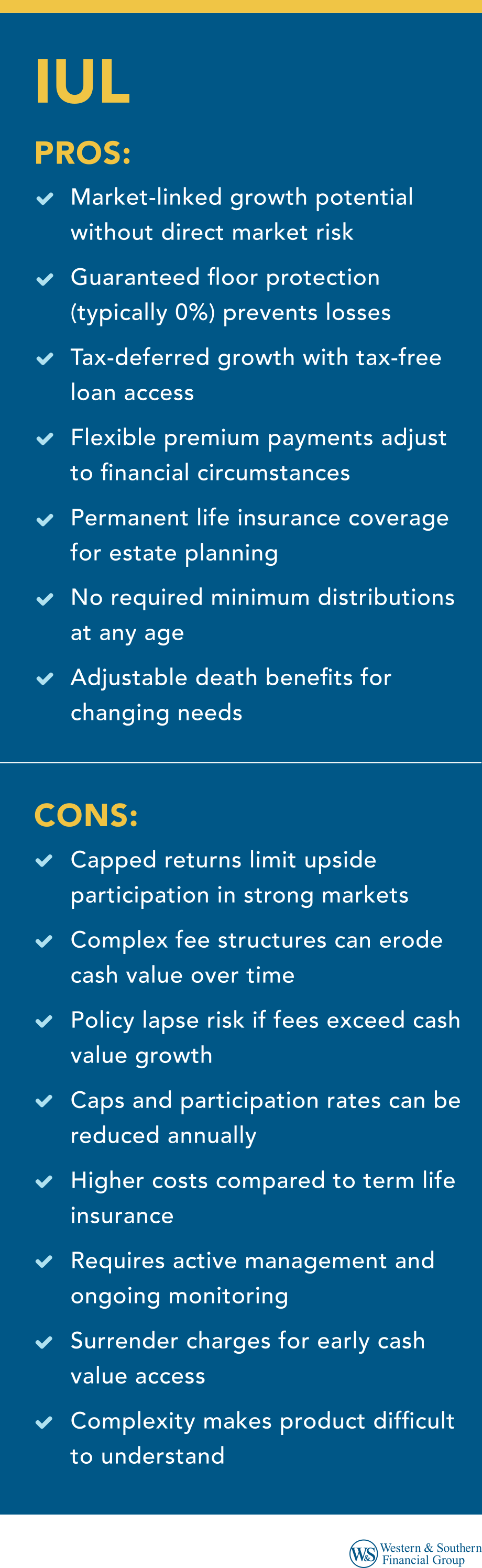
What are the potential drawbacks of Indexed Universal Life insurance from a legal perspective?
:max_bytes(150000):strip_icc()/Pros-and-cons-indexed-universal-life-insurance_final-1b83c0fd52154eb69edd47f99ab8927a.png)
Regulatory Ambiguity and Product Complexity
- Indexed Universal Life (IUL) insurance policies are governed by a mix of federal and state insurance regulations, which can lead to inconsistent oversight and enforcement. This regulatory patchwork may result in variations in how policies are marketed, sold, and administered across jurisdictions, potentially exposing policyholders to misrepresentation or inadequate disclosures.
- The structure of IULs—combining a death benefit with a cash value account linked to financial indices like the S&P 500—is often misunderstood by consumers due to complex contractual terms. Legal challenges may arise when policyholders claim they were not fully informed about caps, participation rates, or spreads that limit their upside potential.
- Because IULs sit at the intersection of insurance and investment products, regulators may scrutinize them under securities laws if they are deemed to have investment-like features. This could prompt enforcement actions if insurers or agents fail to comply with registration or disclosure requirements applicable to securities.
Contractual Disputes and Policy Language Interpretation
- The policy contracts for IULs are often lengthy and written in dense legal and technical language, which may create ambiguity in key provisions such as index crediting methods, loan provisions, or surrender charges. These ambiguities can lead to disputes over expectations versus actual performance.
- Insurance companies retain wide discretion in setting caps, spreads, and participation rates annually, and these decisions are typically not subject to external review. Policyholders may argue in court that such unilateral control violates principles of good faith and fair dealing, especially if changes significantly reduce value accumulation.
- Disputes frequently arise regarding illustrations provided at the time of sale, where projected performance may appear guaranteed even though they are hypothetical. Courts have sometimes ruled against insurers when illustrations are deemed misleading, highlighting the legal risk of inadequate disclosure practices.
Compliance and Fiduciary Duty Concerns
- Financial advisors and insurance agents who sell IULs are often held to a suitability standard rather than a fiduciary standard, meaning they must recommend products appropriate for the client’s needs but are not legally required to act in the client’s best interest. This lower standard increases the risk of legal claims when unsuitable policies are sold to consumers with limited financial literacy.
- When IULs are marketed as retirement planning or wealth transfer tools, legal scrutiny intensifies if the product fails to perform as suggested. Regulators such as the SEC or state insurance departments may investigate whether agents adequately disclosed risks, fees, and long-term obligations like premium payments.
- There is growing legal debate over whether agents and advisors who receive substantial commissions from IUL sales have a conflict of interest that should be more transparently disclosed. Failure to disclose these incentives may lead to legal claims alleging breach of fiduciary duty or unfair trade practices under state consumer protection laws.
Can I withdraw cash from my Indexed Universal Life policy, and what legal considerations should I be aware of?
Understanding Cash Withdrawals from an Indexed Universal Life Policy
- Yes, policyholders can typically withdraw cash from the accumulated cash value of an Indexed Universal Life (IUL) insurance policy. These withdrawals are usually allowed once sufficient cash value has been built up, often after several years of premium payments. The amount you can withdraw depends on the current cash value minus any outstanding loans or policy fees.
- It's important to note that withdrawals reduce both the cash value and the death benefit of the policy, potentially affecting its long-term performance and the benefit paid to beneficiaries upon the policyholder’s death. Partial withdrawals are generally non-taxable up to the amount of premiums paid, thanks to the cost basis rule in U.S. tax law.
- However, any withdrawal that exceeds the total premiums paid may be subject to income tax, and if taken before age 59½, could incur a 10% early withdrawal penalty under IRS regulations. Always consult a tax advisor to understand the implications specific to your financial situation.
Policy Loan vs. Cash Withdrawal: Key Differences
- While both policy loans and cash withdrawals allow access to the cash value, they function differently. A policy loan allows you to borrow against the cash value without permanently reducing it, as long as the loan is repaid with interest. In contrast, a cash withdrawal permanently reduces the cash value and the death benefit.
- Unpaid policy loans accrue interest and can diminish the death benefit over time if not managed properly. In contrast, withdrawals do not accrue interest, but they permanently reduce the amount of cash value available for future growth or borrowing.
- From a legal and tax perspective, policy loans are not considered taxable income as long as the policy remains in force. However, large withdrawals can trigger a taxable event, especially if they cause the policy to lapse or become a Modified Endowment Contract (MEC), which changes the tax treatment of distributions.
Legal and Regulatory Considerations for IUL Withdrawals
- Federal tax laws, particularly under Internal Revenue Code Section 7702, govern the tax-advantaged status of life insurance policies like IULs. To maintain favorable tax treatment, the policy must meet certain tests, including the 7-pay test, which limits the amount of premium paid in the early years. Exceeding these limits can convert the policy into a Modified Endowment Contract (MEC), altering the tax consequences of withdrawals.
- Once a policy becomes a MEC, withdrawals are taxed on a last-in, first-out (LIFO) basis, meaning earnings are withdrawn first and are subject to income tax and potential early withdrawal penalties. This is a significant legal consideration that can impact the efficiency of accessing cash value.
- Additionally, state insurance regulations may impose restrictions or disclosure requirements regarding withdrawals and loans. Policyholders should review their policy contract carefully and consider discussing with a licensed insurance professional or attorney to ensure compliance with both federal and state laws affecting their IUL policy.
Frequently Asked Questions
What does an Indexed Universal Life Insurance lawyer do?
An Indexed Universal Life Insurance lawyer specializes in legal matters related to IUL policies, including disputes over policy performance, cash value calculations, and denied claims. They help policyholders understand complex contract terms, challenge insurer misconduct, and pursue compensation for misrepresentation or bad faith practices. These attorneys may also assist with policy audits, premium financing issues, and regulatory compliance concerns, ensuring clients’ rights are protected throughout the life of their insurance investment.
When should I consult an Indexed Universal Life Insurance attorney?
You should consult an Indexed Universal Life Insurance attorney if you suspect misrepresentation during policy sale, experience unexpected premium hikes, or face claim denials. Legal advice is also valuable if your policy’s cash value isn’t growing as projected or if you’re considering surrendering a high-value policy. An attorney can review your contract, assess insurer conduct, and determine whether you have grounds for legal action due to unfair practices or breaches of contract.
Can an IUL lawyer help with policy rescission or cancellation disputes?
Yes, an Indexed Universal Life Insurance lawyer can assist with disputes involving policy rescission or cancellation. Insurers sometimes retroactively cancel policies due to alleged application errors or misdisclosures. A lawyer can challenge improper rescissions, review underwriting practices, and ensure compliance with state insurance laws. They can negotiate reinstatement, seek damages, or represent you in legal proceedings if the cancellation was unjust or based on misleading information provided by the agent or company.
How can an attorney prove mis-selling of an Indexed Universal Life policy?
An attorney proves mis-selling by gathering evidence such as sales recordings, agent communications, policy illustrations, and financial records. They assess whether the insurer or agent exaggerated returns, concealed risks, or recommended unsuitable policies. Expert testimony and industry standards may support claims of negligence or fraud. If misrepresentation is proven, clients may recover losses, have premiums refunded, or regain policy benefits through settlement or court judgment.
Leave a Reply